Global textile and clothing recycling market – Why the Global Textile Recycling Market Faces Urgent Challenges Yet Promising Growth Toward 2031, According to New Industry Forecasts 12-01-2026
Global textile and clothing recycling market
Global Textile & Clothing Recycling Market Faces Critical Waste Crisis but Strong Growth Outlook Through 2031, New Reports Reveal
The global textile and clothing recycling market is undergoing one of the most significant transitions in its history. As of January 2026, new industry data shows that the market is projected to reach $20.2 billion by 2031, driven by accelerating circular economy initiatives and large‑scale investments in textile‑to‑textile recycling technologies. global textile and clothing recycling market
This article provides a clear, mobile‑optimized, WordPress‑friendly breakdown of the market’s trajectory from 2024 to 2031, the challenges slowing progress, and the regulatory forces shaping the future of global textile circularity.
🌍 Market Growth Overview (2024–2031)
According to Valuates Reports, the global textile and clothing recycling market was valued at $13.6 billion in 2024 and is expected to grow at a 5.9% CAGR through 2031. This steady growth reflects a rising global commitment to sustainable fashion systems and responsible material management. global textile and clothing recycling market
Key Market Figures
| Year | Market Value | Notes |
|---|---|---|
| 2024 | $13.6 billion | Baseline valuation |
| 2031 (projected) | $20.2 billion | Driven by circular economy adoption |
| CAGR (2024–2031) | 5.9% | Consistent long‑term growth |
This growth trajectory positions textile recycling as a core pillar of the global sustainability economy.
♻️ Why the Market Is Growing: Key Drivers
1. The Global Shift Toward Circular Economy Models
Circularity is no longer optional. Governments, brands, and consumers are demanding systems that reduce waste and extend the life cycle of materials. Valuates Reports emphasizes that textile recycling is becoming an “essential component of sustainable fashion systems”.
2. Responsible Material Management in Fashion
Fashion brands are under pressure to reduce their environmental footprint. This includes:
-
Using recycled fibers
-
Reducing reliance on virgin materials
-
Investing in closed‑loop recycling systems
3. Industrial‑Scale Recycling Technologies
2026 marks a turning point. Companies such as Circ, Reju, and Syre are building industrial‑scale textile‑to‑textile recycling facilities, enabling high‑value fiber recovery at volumes previously impossible. global textile and clothing recycling market
These technologies move the industry beyond “downcycling” and toward true circularity.
🧵 Current Industry Landscape: A Sector Under Pressure
Despite promising growth, the textile recycling market faces major structural challenges.
1. Massive Global Waste Production
The world produces 92 million tonnes of textile waste every year. This staggering figure highlights the urgency of scaling recycling infrastructure.
2. Extremely Low Recycling Efficiency
As of 2023:
-
Only 8% of global textile fibers come from recycled sources.
-
Most discarded clothing still ends up in landfills or incinerators.
3. Regional Disparities
Some regions are far ahead of others. For example:
-
India currently reuses or recycles 59% of its textile waste—one of the highest rates globally.
4. Industrialization of Textile‑to‑Textile Recycling
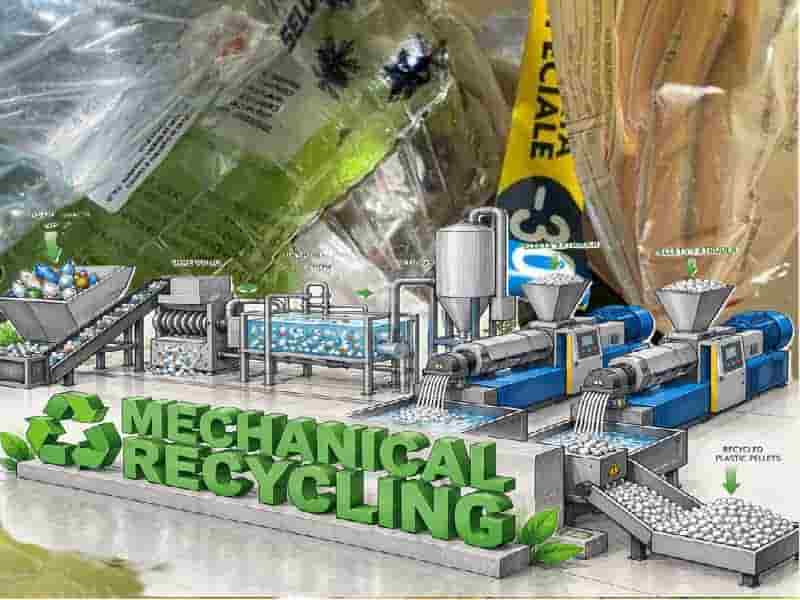
According to 2026 industry analysis, the sector is shifting from low‑value downcycling to high‑value fiber regeneration, driven by new chemical and mechanical recycling technologies. global textile and clothing recycling market
🏛️ Regulatory Support: A New Era of Policy‑Driven Circularity
Governments worldwide are introducing policies to reduce textile waste and enforce producer responsibility.
Japan’s 25% Clothing Waste Reduction Target
Japan is among the countries leading regulatory action, aiming to cut clothing waste by 25%. This aligns with broader global efforts to reduce landfill dependency and promote recycling innovation.
European Union Circularity Mandates
While not part of the original prompt, today’s news highlights tightening EU regulations that are accelerating the industrialization of textile‑to‑textile recycling technologies. global textile and clothing recycling market
These policies are pushing brands to adopt recycling systems and invest in sustainable supply chains.
🔮 Future Outlook: What Textile Circularity Looks Like by 2031
Based on current trends and 2026 market forecasts, the future of textile recycling will be defined by:
1. Industrialized Circular Systems
Large‑scale facilities from Circ, Reju, Syre, and others will enable true fiber‑to‑fiber recycling at commercial volumes.
2. Stronger Global Regulations
More countries will adopt mandatory recycling targets, extended producer responsibility (EPR), and textile waste bans.
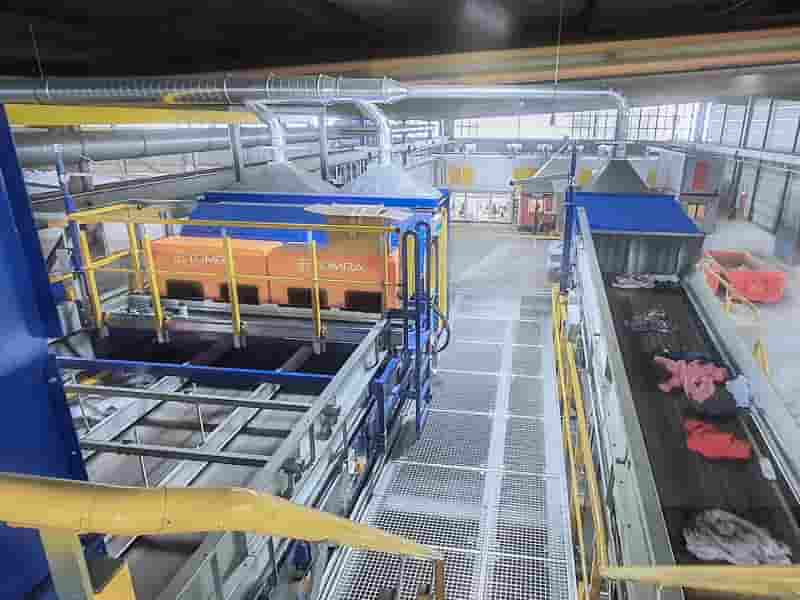
3. AI‑Driven Sorting and Material Recovery
Advanced sorting technologies will improve recycling efficiency and reduce contamination.
4. Consumer‑Driven Sustainability
Demand for recycled textiles will rise as consumers prioritize low‑impact fashion.
🧭 Conclusion: A Market at a Critical Turning Point
The global textile and clothing recycling market is simultaneously facing its greatest challenges and its greatest opportunities. Waste volumes are rising, recycling rates remain low, and infrastructure gaps persist. Yet, with strong regulatory support, industrial‑scale recycling technologies, and a global shift toward circular economy systems, the market is on track to reach $20.2 billion by 2031.
The next five years will determine whether the world can transition from a linear, waste‑heavy fashion system to a circular, regenerative one. The momentum is here—and the stakes have never been higher.
More….