Indorama Czech PET recycler -Indorama exits Czech PET recycler after regulatory shifts break feedstock model and force strategic retreat from European plastics recycling ambitions 22-01-2026
Indorama Czech PET recycler
Indorama’s strategic retreat from Czech PET recycling
Indorama Ventures, one of the world’s largest polyester producers, has formally exited its investment in a Czech PET recycling facility, marking a notable retreat from its European recycling ambitions. The move highlights how regulatory shifts in feedstock sourcing can rapidly undermine recycling business models, even for global industry leaders.
The decision centres on the Indorama Czech PET recycler, UCY Polymers CZ, a plant that was intended to strengthen Indorama’s presence in high-quality bottle-to-bottle recycling across Europe. Instead, regulatory change, operational mismatch, and declining feedstock quality combined to make the project economically unsustainable. Indorama Czech PET recycler
Exit confirmed through stake sale
Indorama disclosed to the Stock Exchange of Thailand that its subsidiary, Indorama Netherlands B.V., has sold its entire 85% stake in UCY Polymers CZ. The buyer is UCY Global Invest, an affiliate of Maximilian Josef Söllner, who previously held the remaining 15% minority interest.
The transaction was completed on 20 January and involved no financial consideration. Despite the absence of sale proceeds, the exit eliminates all ongoing obligations and liabilities linked to the asset. As a result, UCY Polymers CZ is no longer consolidated as an indirect subsidiary within the Indorama group.
For the Indorama Czech PET recycler, this effectively ends its role within the company’s European recycling platform.
Original investment thesis and German deposit systems
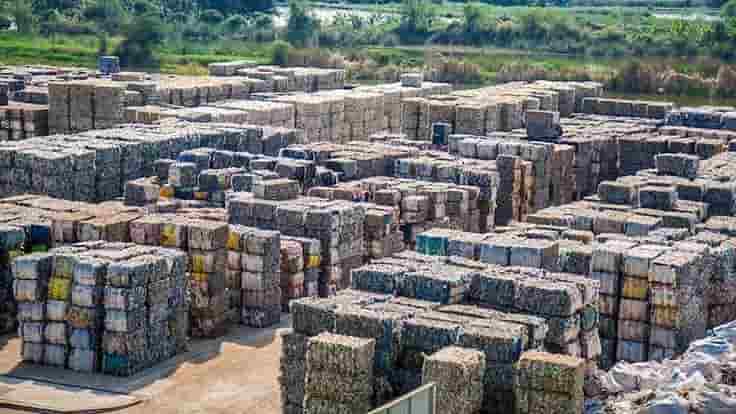
Indorama acquired UCY Polymers CZ in February 2022, at a time when recycled PET was central to the group’s sustainability strategy. The plant was designed to process PET bottles sourced primarily from Germany’s deposit return system, widely regarded as one of Europe’s cleanest and most reliable recycling feedstock streams.
The core assumption behind the Indorama Czech PET recycler was stable access to high-quality German bottle feedstock. This material was well suited to Indorama’s in-house recycling technology, enabling consistent output that met food-grade and brand-owner specifications.
At the time of acquisition, this model aligned with broader EU circular economy goals and Indorama’s own recycled content targets.
Regulatory changes disrupt feedstock quality
That foundation began to erode as German regulations evolved and supplier operating models shifted. According to Indorama, changes adopted by two major German suppliers altered how PET bottles were collected, sorted, and supplied to recyclers.
As a result, the Czech plant was increasingly forced to rely on PET feedstock sourced from within the Czech Republic and neighbouring markets. This material differed significantly in composition and contamination levels from the German deposit system bottles the plant was engineered to process.
Indorama stated that its technology at the Indorama Czech PET recycler was not designed to handle these alternative feedstock streams, leading to operational inefficiencies and declining output quality.
Quality issues and commercial consequences
The impact was not merely technical. Sub-standard recycled PET output failed to meet the quality requirements expected by downstream customers, particularly those seeking food-grade or high-specification recycled polymers.
This erosion of product quality directly affected the plant’s commercial viability. Without consistent, high-grade output, the business case for continued operation weakened rapidly.
Indorama reassessed potential investments, upgrades, and process modifications that could have adapted the Indorama Czech PET recycler to the new feedstock reality. However, the company concluded that further capital expenditure would not deliver acceptable economic returns.
IVL 2.0 and footprint optimisation
The divestment aligns with Indorama Ventures’ broader IVL 2.0 strategy, which focuses on optimising the company’s global asset footprint. Rather than pursuing growth at any cost, the strategy prioritises profitability, operational resilience, and disciplined capital allocation.
Under this framework, assets that no longer meet strategic or economic thresholds are exited, even if they align with long-term sustainability goals. The Indorama Czech PET recycler became a casualty of this more selective approach.
Importantly, Indorama emphasised that the exit removes all future liabilities linked to the plant, reducing financial and operational risk exposure in a volatile regulatory environment.
Implications for Europe’s recycling sector
The decision sends a broader signal to the European PET recycling market. Even advanced recycling infrastructure remains highly sensitive to regulatory design, feedstock governance, and supplier behaviour.
The experience of the Indorama Czech PET recycler illustrates how cross-border dependence on deposit systems can create hidden vulnerabilities. When regulatory or operational changes occur upstream, downstream recycling assets may struggle to adapt without substantial reinvestment.
For policymakers, the case underscores the importance of regulatory stability and harmonisation if Europe aims to scale high-quality recycling capacity.
What this means for Indorama going forward
While Indorama has exited this specific asset, it has not abandoned recycling altogether. The group continues to operate recycled PET facilities in other regions where feedstock quality, regulatory frameworks, and economics remain more predictable.
However, the Czech exit suggests a more cautious, selective approach to future recycling investments in Europe. Projects will likely require stronger guarantees around feedstock quality and regulatory durability before receiving capital approval.
The Indorama Czech PET recycler episode may ultimately shape how global polymers companies assess risk in Europe’s evolving circular economy landscape.
More…