Why Oil Price Weakness Near $65 Brent and $60 WTI Signals Market Fragility but Offers Strategic Insights for Investors and Policymakers in Early 2026 22-01-2026
Global Oil Price Snapshot: January 22, 2026
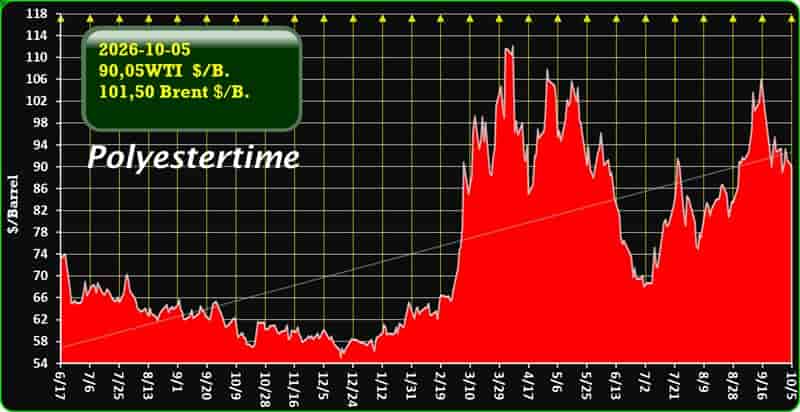
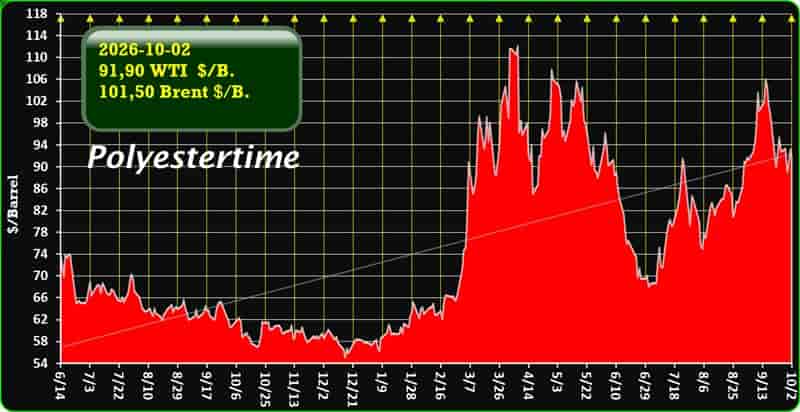
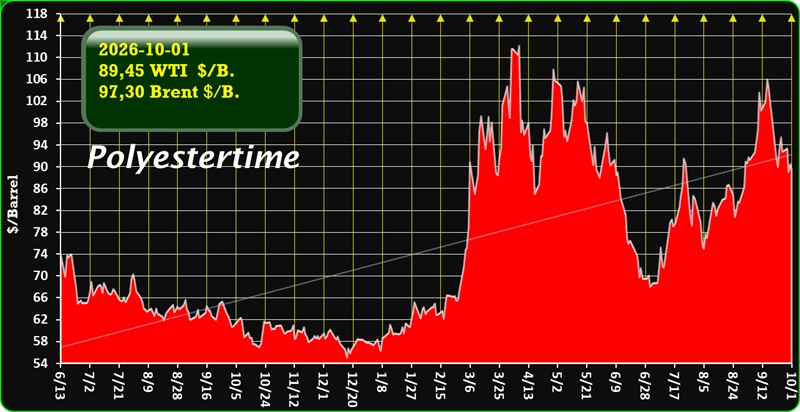
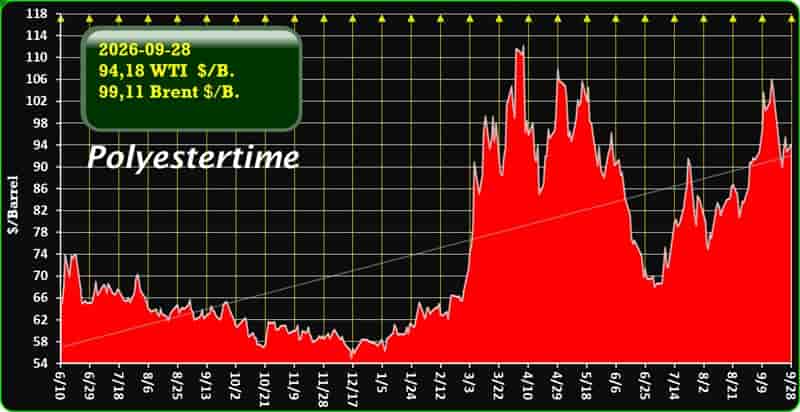
As of January 22, 2026, the oil price environment reflects a continuation of subdued crude valuations: Brent crude hovers around $64.99 per barrel, while West Texas Intermediate (WTI) sits near $60.47 per barrel. These levels represent a market that has absorbed recent geopolitical shifts, supply-demand data, and the cautious posture of producers and investors alike. Prices remain below peaks seen in previous years and reflect broader structural pressures on crude markets.
Recent Price Movements: What’s Driving the Market?
Supply and Demand Fundamentals
Global crude markets continue to deal with persistent oversupply relative to demand growth, a factor that has been instrumental in capping prices. According to the International Energy Agency (IEA), although global oil demand forecasts were revised upward—now expected to grow by roughly 930,000 barrels per day in 2026—oil supply is projected to grow even more, contributing to inventory build‐ups.
This structural imbalance is compounded by production resilience from non-OPEC producers, particularly U.S. shale, Brazil, and Guyana, which have collectively boosted output. Analysts have flagged that robust supply growth, combined with only modest demand expansion, underpins downward pressure on oil price.
Key Supply–Demand Data (Indicative)
| Metric | Trend / Influence |
|---|---|
| Global oil demand growth | Upward revision but moderate |
| Global supply expansion | Outpacing demand growth |
| Inventory levels | Building, suggests oversupply |
| Non-OPEC output growth | Stronger than expected |
OPEC+ Actions and Policy Influence
The Organisation of Petroleum Exporting Countries and its allies (OPEC+) continue to play a central role. While the alliance initially eased production cuts, this policy has not yet delivered a significant tightening of the market. OPEC+ has opted for a cautious stance that prioritizes market balance over aggressive support for prices, reflecting concern about losing market share if cuts are too deep.
Forward curves show some backwardation—where near-term oil price exceed longer‐dated futures—which normally suggests tightness, but this pattern coexists with broader oversupply concerns.
Geopolitical Developments: Balancing Risk and Calm
Geopolitics continues to be a wildcard. Earlier in January, crude markets rallied as tensions with Iran spiked, briefly lifting Brent above $66 before easing concerns dampened gains. As U.S.–Iran conflict fears subsided, prices retraced, demonstrating how geopolitical narratives can amplify volatility even when fundamentals remain dominant.
Critical chokepoints like the Strait of Hormuz remain price risk factors; any credible threat to supply routes can inject a premium into oil price benchmarks.
Investor Sentiment: Cautious and Structure-Sensitive
Market participants appear wary, with sentiment shaped by a mix of supply overweight, modest demand signals, and geopolitical oscillations. Traders have responded by keeping exposure measured and price expectations modest. This sentiment is visible in subdued volatility and trading patterns that reflect sensitivity to data releases and policy shifts.
Short-Term Outlook: What Comes Next?
Looking at the near-term horizon, core energy agencies’ forecasts suggest a continuation of current price pressures. For example, the U.S. Energy Information Administration (EIA) projects a softer price environment for Brent and WTI across 2026 due to ongoing production outpacing consumption.
Investors should consider three potential scenarios:
-
Neutral/Balanced: Prices stabilize near current ranges if OPEC+ maintains disciplined cuts and demand holds steady.
-
Bearish: Continued surplus growth and inventory builds push both Brent and WTI lower.
-
Risk On (Geopolitical Premium): A credible supply disruption could rapidly lift oil price benchmarks.
Implications for the Global Economy and Energy Markets
Persistently moderate oil price levels have broad implications:
-
Consumers and Industries: Lower fuel and energy input costs support household spending and corporate margins.
-
Inflation Dynamics: Commodity price stability can ease inflationary pressures in major economies.
-
Energy Sector Profitability: Refiners and producers face margin squeezes that may delay investment in new capacity.
-
Emerging Markets: Energy exporters with tight fiscal breakeven prices may face budget stress.
In summary, while current prices reflect a market in cautious equilibrium, the interplay of units of global demand, producer strategies, and geopolitical variables will be decisive for price trajectories in the coming months.
More…