Iran Sanctions Escalate as Trump Unveils ‘Economic D-Day’ Campaign
Iran Sanctions Escalate as Trump Unveils ‘Economic D-Day’ Campaign
The United States has launched a new economic pressure campaign against Iran, widening the potential reach of Iran sanctions to overseas companies, financial intermediaries and trading networks. The initiative, called Operation Economic Outcast, was announced by U.S. Treasury Secretary Scott Bessent on August 24 and described by the Trump administration as an “economic D-Day.”
The announcement arrives as the Iran-US war approaches six months, with diplomatic efforts stalled and energy shipping through the Strait of Hormuz still heavily disrupted. The immediate package targets about 60 entities, individuals and vessels, while also creating a broader framework for possible future secondary sanctions against foreign actors that continue business linked to Iran.treasury+1
For oil, shipping, metals and petrochemical markets, the key issue is not only the first round of designations. It is the warning that companies outside Iran could face greater exposure to U.S. enforcement if they provide services to Iranian-linked activity.
What Operation Economic Outcast changes
The U.S. Treasury says Operation Economic Outcast is a sustained campaign intended to sever the financial channels that support the Iranian government and the Islamic Revolutionary Guard Corps, or IRGC. Washington has expanded the categories of Iran-related conduct that may trigger secondary-sanctions risk in five sectors: digital assets, technology, gold, aviation and shipping.treasury
That matters because secondary sanctions aim beyond U.S. companies. A foreign bank, ship manager, commodity trader, insurer, logistics provider or service business may face restrictions on access to the U.S. financial system if it knowingly conducts significant transactions for sanctioned parties or activity covered by U.S. authorities.
The Treasury Department said it would give countries defined timelines to halt Iran-related activity identified by U.S. officials. However, Reuters reported that Bessent did not name the countries expected to face action, did not announce deadlines and stopped short of imposing penalties on foreign governments or Chinese financial institutions on the first day.treasury+1
In practical terms, this means the campaign currently combines immediate designations with a major compliance warning. The most serious commercial consequences may emerge later if Washington begins naming foreign banks, buyers, traders or service providers that it believes are enabling Iranian trade. Iran sanctions
Five sectors under pressure
The new Iran sanctions framework is especially significant because it extends beyond crude oil and traditional banking channels. Treasury says it can now target foreign persons operating in, or providing material support to, five additional sectors of the Iranian economy.treasury
For the chemical and polymer value chain, shipping is likely to be the most commercially sensitive category. Treasury’s statement identifies networks involved in transporting Iranian crude, liquefied petroleum gas, ethylene and other petroleum products. It also named tanker operators, service providers and companies alleged to have supported deceptive oil movements.treasury
This is relevant for buyers of feedstocks and petrochemicals because compliance risk can extend across a transaction’s full logistics chain. It is not limited to the producer or cargo owner. Chartering, bunker supply, ship-to-ship transfers, freight forwarding, payment settlement and insurance can all become material points of exposure when a vessel, company or beneficial owner is sanctioned.
Oil, petrochemicals and shipping risk
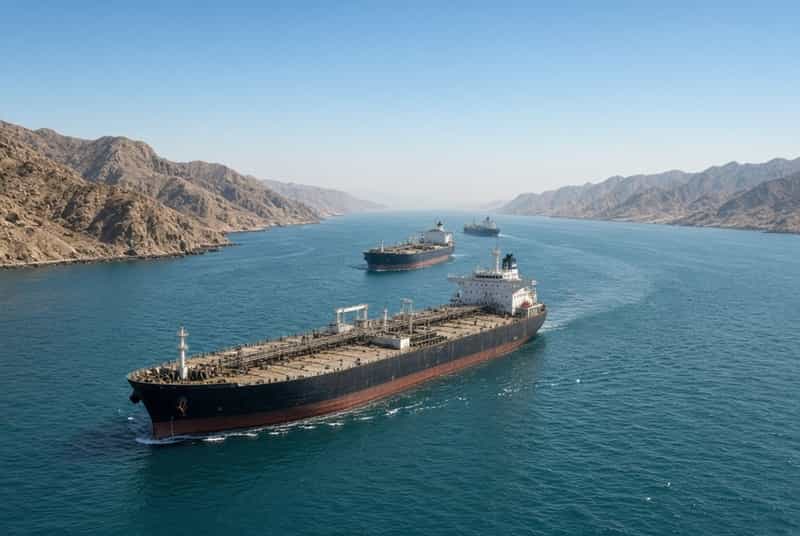
Iran sanctions have long focused on oil revenues, but this latest announcement places renewed attention on the “shadow fleet” infrastructure used to move crude and petroleum products. The Treasury release listed vessels that it said had transported Iranian oil, LPG and ethylene to markets in Asia, sometimes for onward shipment through third countries.treasury
The administration also designated companies in jurisdictions including the United Arab Emirates, Hong Kong, Singapore, China and Europe. These are not minor details for commodity markets. They underline how sanctions compliance increasingly depends on beneficial ownership checks, vessel histories, counterparties, cargo origin, transshipment routes and payment pathways.
For European industrial buyers, including those in Italy, the immediate concern is not necessarily a direct ban on every product with Iranian content. Rather, it is heightened legal and financial risk when a transaction involves sanctioned entities, opaque trading structures or logistics services tied to designated Iranian networks.
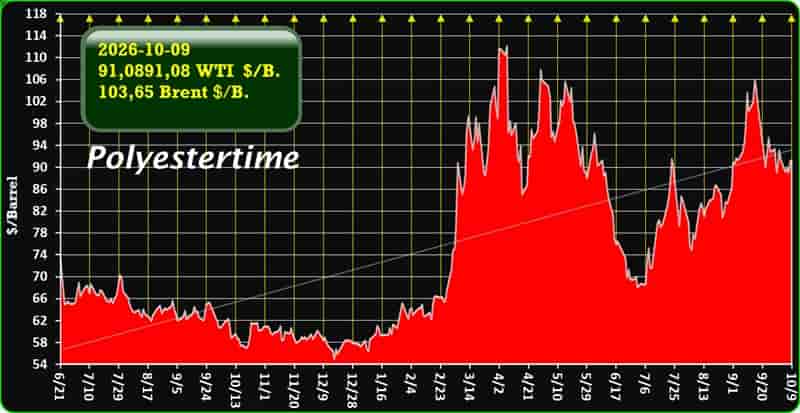
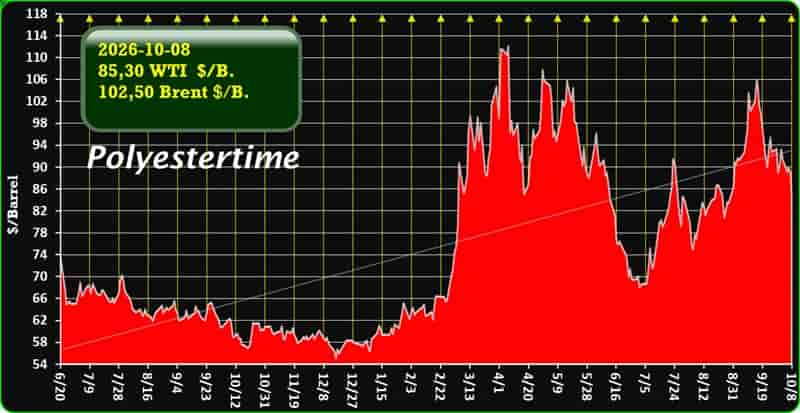
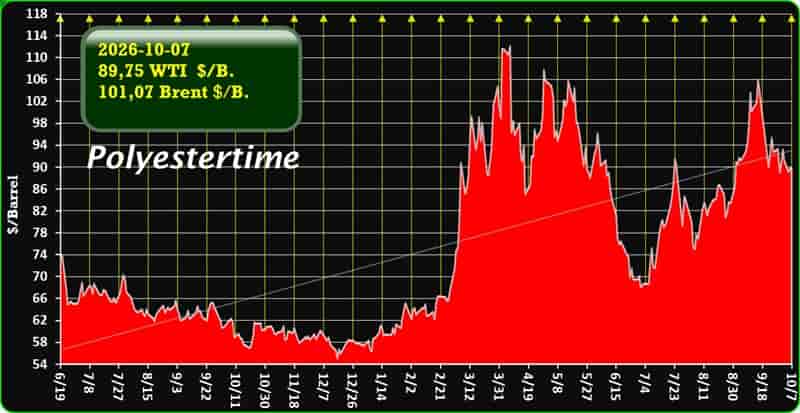
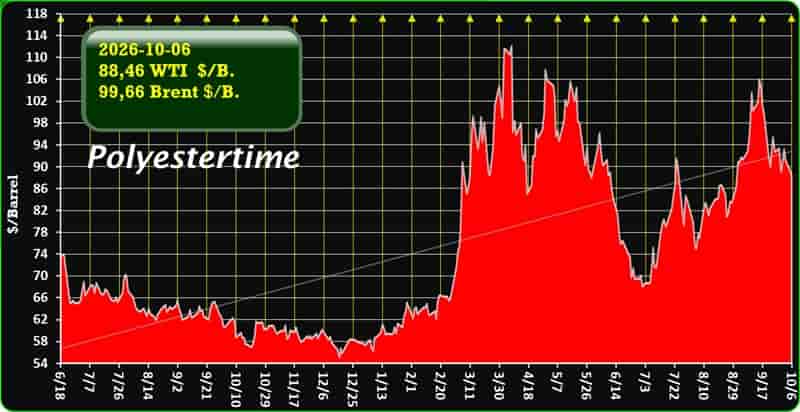
The pressure campaign also adds to an already difficult energy backdrop. Reuters reported that the conflict and disruption around the Strait of Hormuz have pushed energy prices higher worldwide, while crude and raw-material shipping through the waterway remains constrained.reuters
If the United States broadens enforcement to major financial institutions or trading partners, commodity-market effects could spread beyond Iranian barrels. Freight rates, marine insurance costs, regional refinery economics and feedstock availability could all respond to a tighter risk environment.
What is confirmed — and what remains uncertain
The confirmed elements are substantial: roughly 60 new designations, wider sectoral authorities and a U.S. commitment to pursue Iran-linked financial and commercial networks more aggressively. The Office of Foreign Assets Control, or OFAC, also suspended several general licenses involving certain remittances and Iranian access to U.S. cultural and academic systems.treasury
But important uncertainties remain. The administration has not yet publicly identified all countries that may receive deadlines, the specific requirements those governments would need to meet, or the timing of enforcement against foreign financial institutions.
China is central to this uncertainty. Reuters noted that China has been Iran’s largest oil buyer for several years, yet the August 24 measures did not designate Chinese banks suspected of helping facilitate Iranian oil trade. Bessent said no country was beyond the reach of U.S. sanctions, while also indicating that the Treasury did not want to destabilise the global financial system.reuters
That distinction is crucial. The “economic D-Day” label signals political intent and possible escalation, but the first package is not yet the maximum-pressure scenario that markets had feared.
Iran’s response and the next signals
Iran has said it will retaliate against the expanded U.S. pressure campaign and has expressed confidence that major trading partners will resist Washington’s demands, according to Reuters. That response increases the risk that economic escalation and maritime-security tensions continue to reinforce one another.reuters
The next developments to watch are clear:
-
Whether Treasury names specific countries, banks or large trading groups.
-
Whether Washington imposes secondary sanctions on financial institutions.
-
Any change in enforcement against Iranian oil buyers and tanker networks.
-
Further disruption, reopening or security incidents affecting the Strait of Hormuz.
-
Price moves in crude oil, LPG, naphtha, ethylene and freight markets.
-
Signs of renewed diplomacy that could reduce the risk premium in energy and shipping.
For now, Operation Economic Outcast should be viewed as both a sanctions package and an escalation notice. The direct designations are already real. The larger market impact will depend on how quickly the United States turns its new sectoral authorities into enforcement actions against third-country commercial networks.
Reporting basis: U.S. Treasury’s August 24 release details the scope, targeted sectors and immediate designations; Reuters independently reported that foreign-country penalties and Chinese-bank sanctions were not imposed immediately.
US-Iran Oil Prices Steady Near $92 as Sanctions Raise Hormuz Supply Risks
More…