Iran War Oil Prices: Brent Near $93, WTI Near $86
Iran War Oil Prices: Why Brent Is Near $93 and WTI Near $86
Updated: August 21, 2026
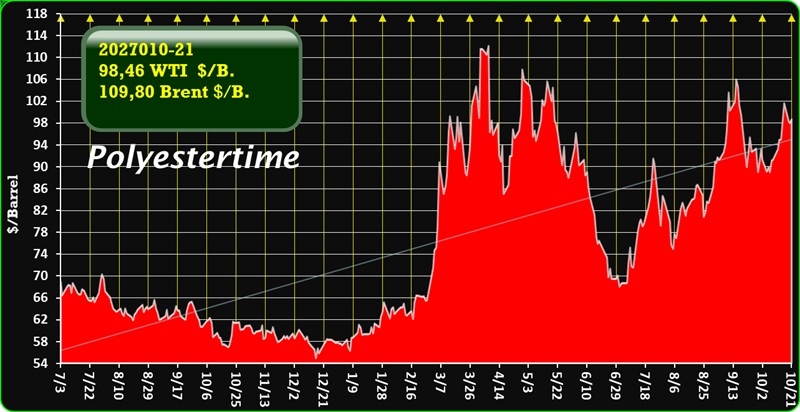
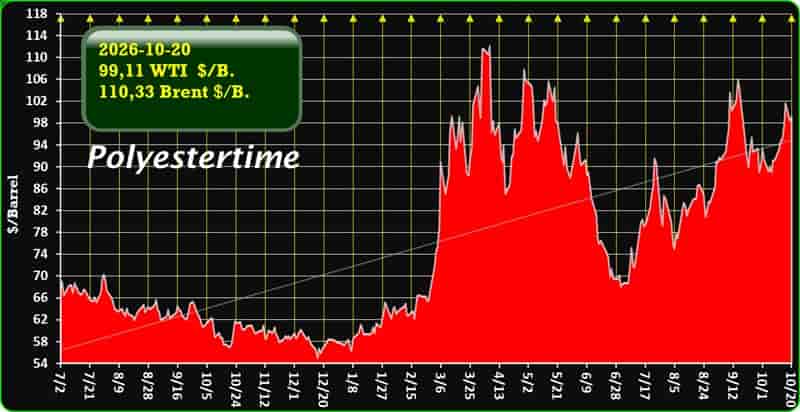
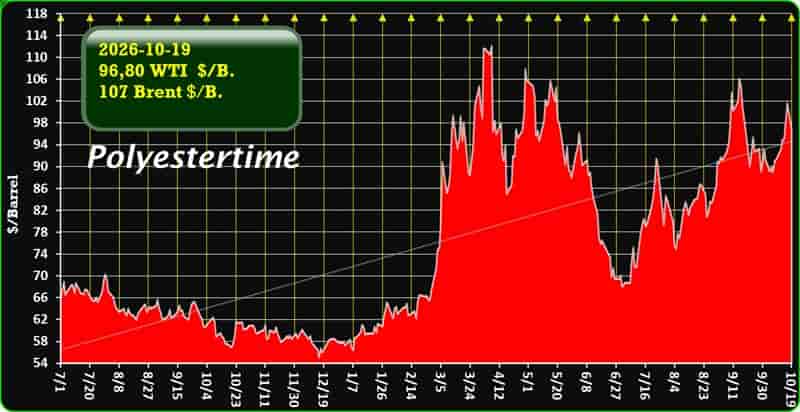
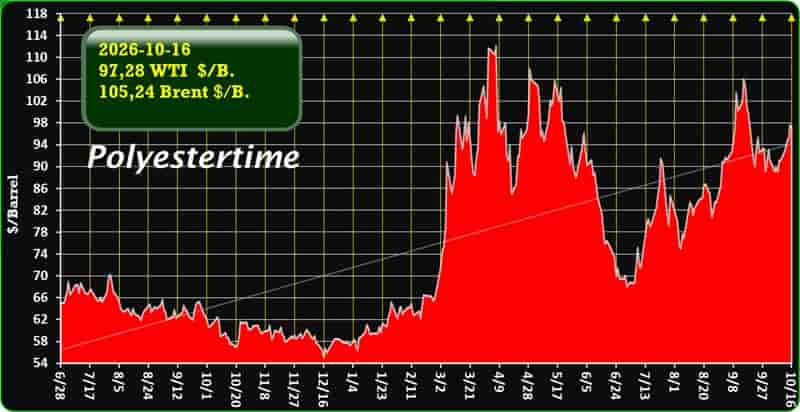
Price snapshot: Brent crude was trading around $93 per barrel and West Texas Intermediate, or WTI, around $86 per barrel at the time of writing. Oil prices change continuously, so these figures should be treated as a market snapshot rather than closing prices.
Key takeaways
- Brent and WTI are heading toward a second consecutive weekly increase.
- Restricted shipping through the Strait of Hormuz remains the market’s central concern.
- Middle Eastern production and exports are still substantially below pre-war levels.
- Stalled diplomacy and the threat of additional economic sanctions are preserving a geopolitical risk premium.
- Weakening demand may limit price increases, but depleted inventories leave the market vulnerable to another disruption.
Oil prices remain elevated as the conflict restricts supply
Iran war oil prices remain under upward pressure, with the market balancing reduced Middle Eastern supply against signs that expensive fuel and slower economic activity are weakening demand.
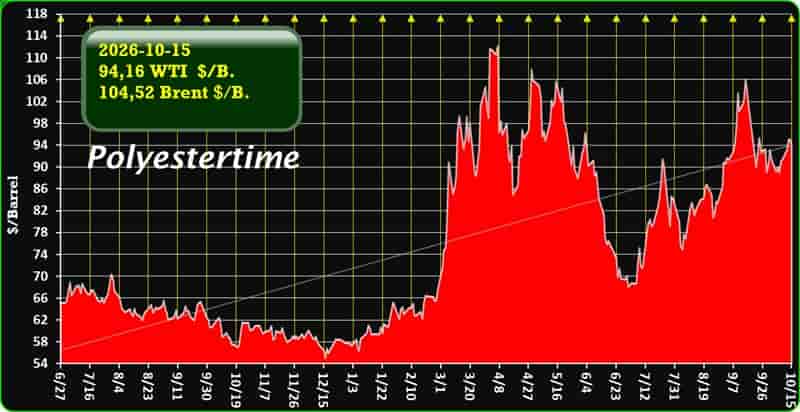
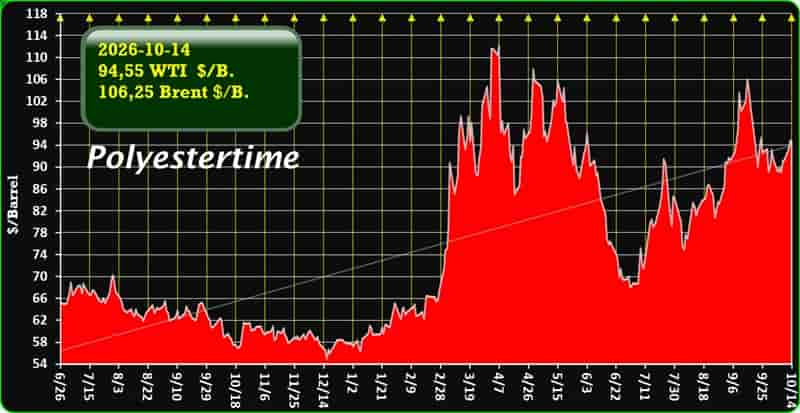
In early trading on August 21, Brent crude futures stood at approximately $93.82 per barrel, while WTI traded near $86.78. Brent had gained more than 7% over the preceding five sessions, and WTI had risen more than 8%, according to Reuters reporting carried by Euronext.
The immediate price movement reflects more than direct Iranian oil exports. Traders are focusing on the wider effect of the conflict on production, shipping and refinery operations across the Gulf.
Saudi Arabia, Iraq, Kuwait and the United Arab Emirates are major suppliers to the global market. When their exports are delayed or curtailed, buyers must compete for alternative barrels, often involving longer and more expensive shipping routes.
Why the Strait of Hormuz matters
The Strait of Hormuz is the narrow maritime passage connecting the Persian Gulf with the Gulf of Oman and the Arabian Sea. Before the war, oil shipments equivalent to roughly one-fifth of global consumption passed through the waterway.
Reuters reported that only nine vessels transited the strait on the Wednesday preceding this article, far below normal pre-war activity. The market is therefore reacting not only to oil that has already been lost, but also to the possibility of further disruption.
The distinction is important: reports describe heavily restricted and inconsistent traffic rather than a predictable return to normal commercial shipping. Conflicting signals about access to the strait can cause large intraday price movements.
Shipping restrictions also increase insurance premiums, freight costs and delivery times. These additional expenses can affect the price paid by refiners even when crude oil remains physically available.
Gulf production has not returned to normal
The International Energy Agency’s August Oil Market Report estimated that 8.3 million barrels per day of Gulf production remained shut in during July. Regional exports, including shipments using routes that bypass Hormuz, fell by 2.1 million barrels per day to approximately 15 million barrels per day.
The IEA now expects global oil supply to decline by an average of 4.3 million barrels per day in 2026. It also estimates a global market deficit of 1.8 million barrels per day during the third quarter.
Inventories provide another warning signal. The agency reported that observed global oil stocks fell by 69 million barrels in July and had declined by a cumulative 410 million barrels since the beginning of the war. Smaller inventories mean consumers have less protection if another refinery, terminal or shipping route is disrupted. These figures come from the IEA Oil Market Report published on August 12.
Diplomacy remains a major price driver
The conflict began on February 28, when the United States and Israel launched strikes against Iran. A mid-June understanding briefly created expectations that shipping and production could recover, but that arrangement subsequently broke down and hostilities resumed.
The earlier diplomatic progress had produced a more optimistic outlook. In July, the U.S. Energy Information Administration expected trade flows to approach pre-conflict levels by the end of 2026. Its forecast assumed improving traffic through Hormuz and the restoration of shut-in production.
Later events weakened those assumptions. Renewed hostilities and maritime disruptions led the IEA to reduce its supply estimates in August. This contrast demonstrates why oil forecasts are changing so quickly: they depend heavily on security conditions and the durability of any agreement.
The latest market reports indicate little progress toward another settlement. President Donald Trump has also threatened stronger economic measures against countries providing support to Iran. That raises the risk of tighter sanctions, disrupted trade relationships and more complicated payment arrangements for energy cargoes.
Why oil is not already much higher
The supply situation is tight, but several forces are restraining prices.
First, high fuel costs are reducing consumption. The IEA expects global oil demand to decline by approximately 1.6 million barrels per day in 2026, partly because disrupted supply chains and expensive petroleum products are weighing on economic activity.
Second, producers outside the Gulf can replace part of the lost output. The IEA forecasts approximately 1.4 million barrels per day of supply growth from the Americas, although that would offset only a portion of losses elsewhere.
Third, governments can use strategic petroleum reserves during severe disruptions. Emergency releases can calm the market temporarily, but they reduce the inventory cushion available for future shocks.
These counterweights help explain why Brent is near $93 rather than revisiting the much higher levels briefly recorded during earlier phases of the conflict.
What could send oil prices higher?
Prices could rise further if:
- Shipping traffic through Hormuz declines again.
- Energy terminals, pipelines, refineries or tankers suffer additional attacks.
- Gulf producers are forced to shut in more production.
- Sanctions restrict Iranian exports or discourage third countries from trading with Tehran.
- Diplomatic talks collapse without a replacement ceasefire.
- Commercial and strategic inventories fall faster than expected.
Because the market has already lost a substantial inventory buffer, even a relatively short disruption could produce an outsized reaction.
What could bring prices down?
Downward pressure would become more likely if:
- The United States and Iran reach a credible and enforceable agreement.
- Regular commercial shipping resumes through Hormuz.
- Gulf production and export infrastructure return to normal operation.
- Non-Gulf suppliers increase production more quickly.
- Weak economic activity reduces global oil demand.
- Governments coordinate additional emergency stock releases.
A temporary ceasefire alone may not be enough. Markets would probably look for evidence of sustained shipping activity, lower insurance costs and rising physical exports before removing most of the geopolitical premium.
What higher oil prices mean for consumers and businesses
Crude prices influence gasoline, diesel, aviation fuel, heating oil and many petrochemical products. The effect is not immediate or identical in every country because taxes, exchange rates, refinery margins and local inventories also matter.
Transport-intensive businesses face higher operating costs when diesel and jet-fuel prices rise. Airlines, logistics companies, manufacturers and agricultural producers may pass part of those costs to customers.
Oil-importing economies can also experience renewed inflation pressure. This may complicate central-bank decisions, especially where consumer prices remain elevated for other reasons.
Oil exporters can benefit from higher prices, but only if they can continue delivering their production. Producers located near the conflict may receive higher prices while simultaneously losing export volumes. Iran war oil prices
What the oil market is watching next
The most useful indicators are physical rather than rhetorical:
- Daily vessel traffic through the Strait of Hormuz
- Gulf production and export volumes
- Tanker insurance and freight rates
- Attacks on energy and maritime infrastructure
- U.S.–Iran diplomatic announcements
- New sanctions or enforcement measures
- Global commercial and strategic inventories
- Refining margins for diesel, gasoline and jet fuel
For now, Brent near $93 and WTI near $86 show that the market is pricing in a prolonged disruption—but not a complete and permanent loss of Gulf exports.
That balance could change rapidly. A durable reopening of Hormuz would remove a significant part of the risk premium, while another major supply interruption could push prices sharply higher.
Frequently asked questions
Why is Brent more expensive than WTI?
Brent is the main international benchmark and is closely connected to seaborne trade. It therefore reflects disruptions affecting global shipping and Middle Eastern exports more directly. WTI is primarily associated with the U.S. market.
Is the Strait of Hormuz completely closed?
Traffic is severely restricted and far below normal levels, but available reporting indicates that some vessels continue to transit. Conditions can change rapidly, making a simple “open” or “closed” description potentially misleading.
Could oil prices fall despite the war?
Yes. Weaker demand, increased production outside the Gulf, emergency stock releases or credible diplomatic progress could lower prices even while some geopolitical risk remains.
Are Brent and WTI prices fixed throughout the day?
No. Both are actively traded benchmarks. Their prices can change from minute to minute in response to news, supply data, currency movements and market positioning.
This article provides general market information and does not constitute investment advice.
Primary sources
- Reuters: Oil set for second weekly rise as U.S.–Iran war crimps supply
- International Energy Agency: Oil Market Report, August 2026
- U.S. Energy Information Administration: July 2026 oil-market outlook
- The Wall Street Journal: August 21 oil-market update
Iran War Oil Prices: Why Brent Is Near $92