Israel attacks – Israel attacks iranian atomic sites
Israel attacks
?? “Rising Lion” : Israel Launches Major Airstrike on Iran — What It Means for the World
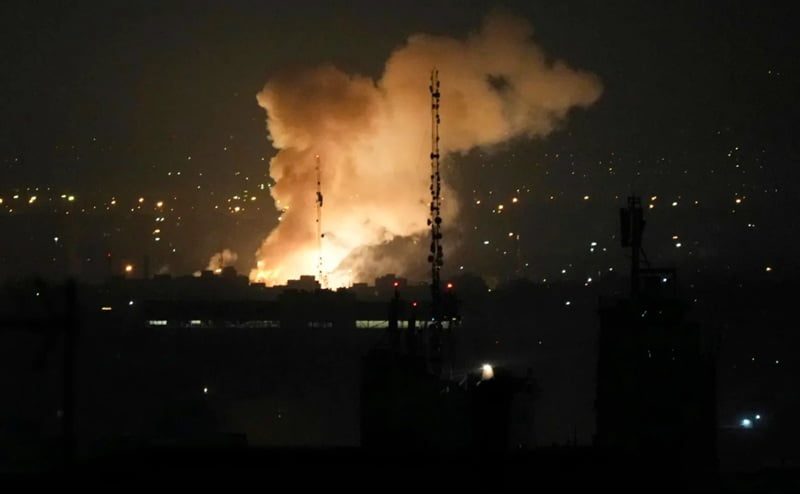
In a dramatic turn of events, the night of June 12–13, 2025, saw Israel launch a powerful airstrike against over 100 high-value targets across Iran, in what could mark a defining chapter in Middle Eastern geopolitics.
The operation, codenamed “Rising Lion,” involved around 200 Israeli fighter jets and focused on crippling Iran’s nuclear and military infrastructure.
? Targets Hit: Nuclear Sites, Missile Factories, and Military Leaders
Israeli jets struck a broad range of Iranian facilities, including:
- Nuclear research and enrichment centers
- Ballistic missile production facilities
- Military command posts and IRGC compounds
Among the most significant outcomes were the deaths of several key Iranian figures:
- Hossein Salami, Commander of the Revolutionary Guards
- Mohammad Bagheri, Iran’s Chief of Staff
- Fereydoon Abbasi, a leading nuclear physicist Israel attacks
These losses are a critical blow to Tehran’s strategic and scientific leadership.
?️ Netanyahu Speaks: “A Preemptive Strike to Prevent Nuclear War”
Israeli Prime Minister Benjamin Netanyahu justified the assault as a preemptive measure, stating that Iran was likely less than 12 months away from developing a nuclear weapon.
“We acted decisively to protect the future of our children. A nuclear-armed Iran was not an option,” said Netanyahu during a press briefing from Tel Aviv.
Israeli intelligence has long warned about Iran’s nuclear program crossing a “point of no return.” With diplomatic efforts stalled and new intelligence pointing to accelerated uranium enrichment, Israel took unilateral action.
?️ Iran Responds: Drone Barrage and Threats of Escalation
Iran responded swiftly, launching over 100 drones toward Israel. The majority were intercepted by Israel’s multilayered air defenses, including the Iron Dome, David’s Sling, and Arrow systems.
Tehran labeled the Israeli attack as “state terrorism” and declared that retaliation was imminent. Iranian leaders vowed “severe and unforgettable punishment,” signaling that the crisis is far from over.
? What Happens Next? 5 Likely Scenarios
The strike has triggered deep concern among regional and global actors. Below are five possible developments in the days and weeks ahead:
1️⃣ A Broader Middle East Conflict
Iran may activate its proxy forces, including:
- Hezbollah in southern Lebanon
- Shiite militias in Syria and Iraq Israel attacks
- Possibly Houthi forces in Yemen
A multi-front conflict could erupt, with Israel facing attacks from multiple directions, potentially dragging neighboring countries into the fray.
2️⃣ Nuclear Diplomacy in Ruins
The timing of the strike is particularly delicate. The United States and Iran were scheduled to resume nuclear negotiations in Oman in the coming days.
While the U.S. was reportedly informed ahead of time, it did not participate in the operation. Washington now finds itself walking a tightrope between supporting Israel and keeping channels open with Tehran.
This dynamic could derail months of behind-the-scenes diplomatic groundwork.
3️⃣ Economic Shockwaves Around the World
The airstrike immediately triggered a spike in oil prices, with Brent crude topping $100 a barrel. Stock markets in Asia and Europe also dipped on news of the attack. Israel attacks
A prolonged conflict could:
- Disrupt oil exports from the Persian Gulf
- Create supply chain delays
- Fuel global inflation
Economists warn that energy-dependent nations, particularly in Europe and South Asia, could be severely impacted.
4️⃣ Iran Leaving the Nuclear Non-Proliferation Treaty (NPT)
In the wake of the attack, Iran might choose to withdraw from the NPT, a treaty meant to prevent the spread of nuclear weapons. Such a move would:
- End international inspections of its nuclear sites
- Signal an open pursuit of nuclear arms
- Raise the risk of nuclear proliferation across the region
Analysts say this could push other countries — including Saudi Arabia, Turkey, and Egypt — to consider developing their own nuclear programs.
5️⃣ Fragmented International Response
The global reaction has been mixed and divided:
- U.S., UK, and Germany emphasized Israel’s right to self-defense
- Russia and China condemned the strike and warned of regional destabilization
- The European Union urged immediate de-escalation and resumption of diplomatic talks Israel attacks
This division makes it extremely difficult for international mediation efforts to succeed, potentially prolonging the crisis.
? A Turning Point in Global Security
The attack is more than a regional event — it’s a geopolitical tremor with worldwide consequences. It challenges existing norms around:
- Preemptive warfare
- Nuclear deterrence
- International diplomacy
As of now, the Middle East sits on a knife’s edge, and the international community must move quickly to prevent further escalation.
? What to Watch in the Coming Days
- Will Iran retaliate directly or through its regional allies? Israel attacks
- Can diplomatic channels be salvaged before further military action?
- Will global powers align behind a de-escalation framework?
The world is watching closely, as the consequences of Operation Rising Lion continue to unfold hour by hour.