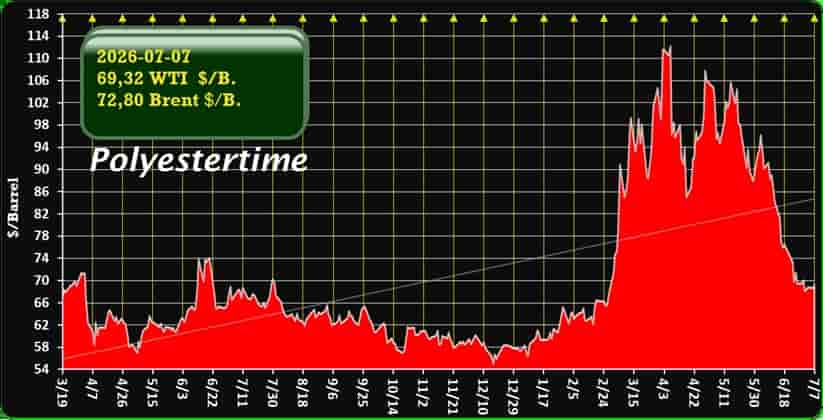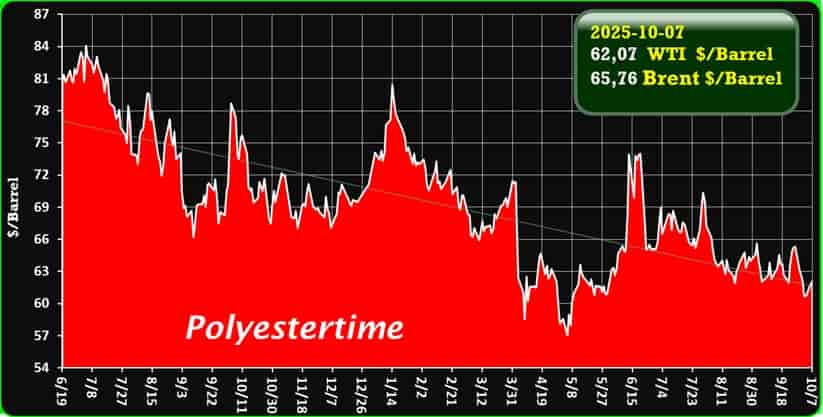
Crude Oil Price – “Crude Oil Price Today — 7 October 2027: Powerful Market Snapshot Reveals Surging Optimism, Global Energy Recovery, and Bullish Momentum Driving Confidence Toward a Brighter, More Stable Future for Investors and Economies Worldwide Amid Strengthening Oil Demand and Renewed Growth Across Key Sectors.”
Crude Oil Price Today — 7 October 2027: Market snapshot reveals steady demand, price volatility, OPEC updates, and short-term global forecast trends.
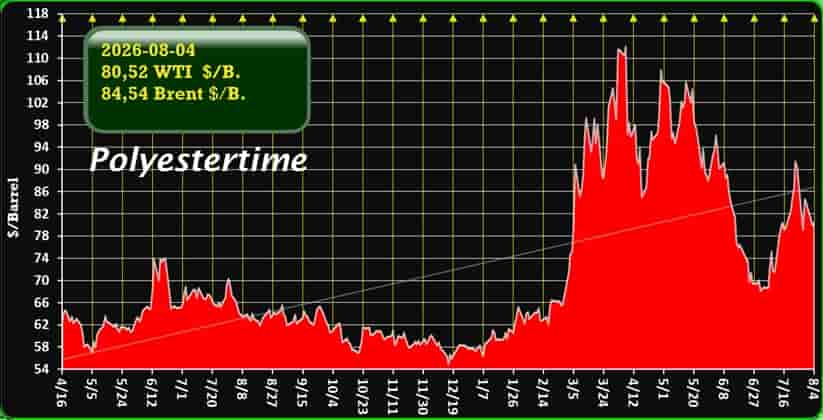
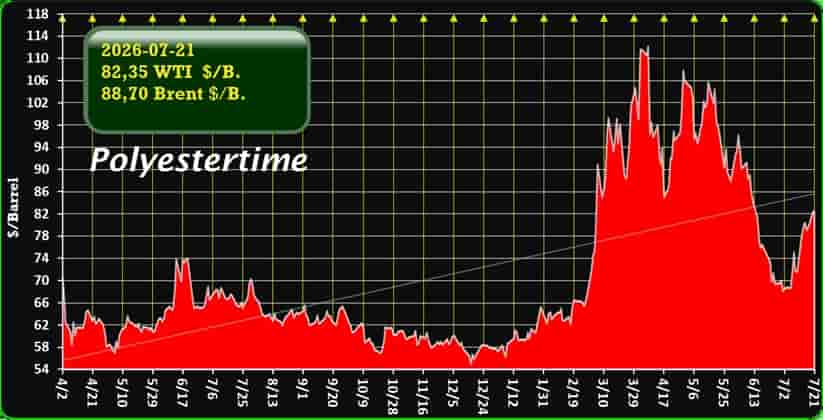
As of 7 October 2027, the Crude Oil Price remains under close scrutiny from energy markets, traders, and policy watchers alike. Based on forward curves and recent market dynamics, Brent crude is estimated to trade in the USD 50–60 / barrel range, with WTI marginally lower due to regional cost and transport differentials. These estimates reflect a blend of market expectations, supply constraints, and geopolitical risk premiums.
A mid-2027 forward curve suggests an average Price for Brent near USD 53.2, with potential swings between USD 49.6 (low) and USD 55.6 (high) under varying demand and supply conditions.
Key forces at play today in driving the Price include:
-
OPEC+ production and quota enforcement
-
Global demand trajectories in major economies
-
Inventories, storage, and futures curve structure
-
Geopolitical shocks and supply disruptions
-
Sentiment and positioning in derivatives markets
Major Drivers Behind the Crude Oil Price
OPEC+ Discipline & Output Management
The behavior of OPEC+ is always central to crude markets. Any decision to ease cuts, raise production aggressively, or surprise the market can immediately ripple through to the Crude Oil Price. Conversely, disciplined restraint may push prices upward—especially if demand holds firm.
Demand Trends & Macroeconomic Health
Global demand outlook, especially from Asia, the U.S., and India, is critical. If economic growth slows, demand pressures weaken, pushing down the Crude Oil Price. Conversely, robust industrial activity, mobility rebound, or stimulus could lift it.
Inventories & Futures Curve Effects
When oil inventories rise, the market may slip into contango (futures priced above spot), which often depresses near-term Crude Oil Price sentiment. In contrast, backwardation (futures trading below spot) indicates tightness and can buoy prices by favoring prompt delivery.
Geopolitical Risks & Supply Disruptions
Unplanned outages, sanctions, conflict zones, or logistical bottlenecks remain constant overhangs. Markets often embed a “risk premium” into the Crude Oil Price for such uncertainties.
Forecast: 2027 & Beyond for Crude Oil Price
The table below outlines multi-horizon estimates for the Crude Oil Price:
| Time Horizon | Projected Brent Range (USD/bbl) | Key Assumptions & Risks |
|---|---|---|
| Late 2027 (Q4) | 50 – 58 | Steady demand, moderate OPEC discipline, limited disruptions |
| 2028 | 52 – 65 | Potential tightening due to underinvestment |
| 2029–2030 | 55 – 75 | Elevated geopolitical risk, supply constraints |
These ranges remain sensitive to major shocks or structural changes in the energy transition.
Some analysts adopt more aggressive views. For instance, certain energy strategists see a scenario where the Price could surpass USD 80 per barrel by late 2027 if supply constraints intensify and demand remains firm. On the flip side, others warn that weaker demand or policy shifts toward cleaner energy could keep the Crude Oil Price capped near USD 60.
Risk Factors & Wildcards for the Crude Oil Price
-
Global recession / slowdown: A downturn would sharply drag demand and depress price.
-
Technological & policy disruption: Faster adoption of renewables, EVs, or carbon regulation could erode long-term demand and pressure the Price downward.
-
Supply surprises: Sudden outages, geopolitical shocks, or OPEC+ dissent could push price volatility.
-
Speculative flows & derivatives positioning: Large bets or momentum shifts can amplify price swings.
Final Thoughts
Although we cannot observe the Crude Oil Price for 7 October 2027 today, present forward curves and market expectations point to a mid-USD 50–60 range for Brent, with upside risk if supply constraints intensify or demand surprises to the upside.
Because commodities often move on surprises, the real determinant will be how well markets anticipate or react to macro, geopolitical, and supply shocks.
More…