“Crude Oil Price Rebound Sparks Market Optimism — But Looming Global Headwinds Threaten to Derail Energy Recovery and Test Investor Confidence in the Face of Rising U.S. Output, OPEC+ Uncertainty, and China’s Discounted Russian and Iranian Oil Deals” 08-10-2025
crude oil price
Crude Oil Price Rebound Sparks Market Optimism — But Global Headwinds Threaten Momentum
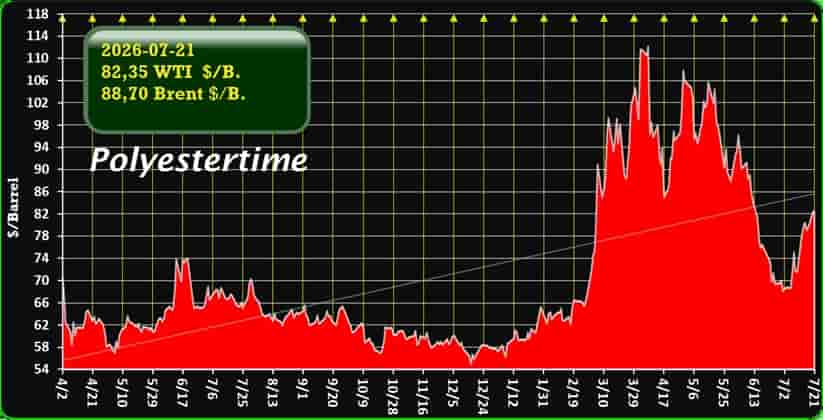
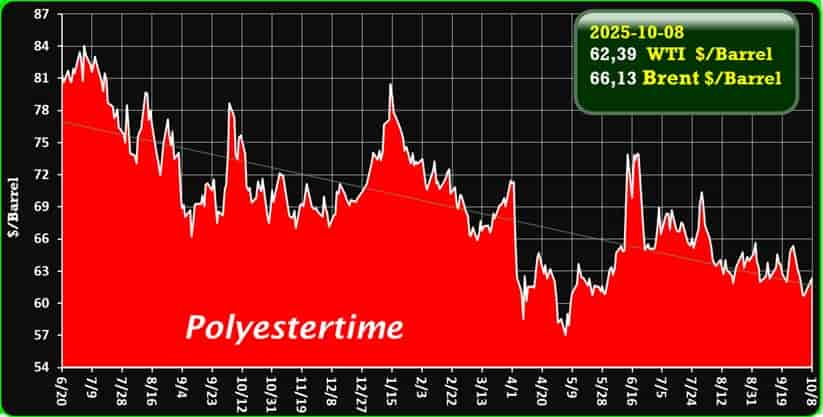
On 8 October 2025, the crude oil price edged higher after a wave of cautious optimism swept through global markets.
Brent crude rose about 0.7% to $65.93 per barrel, while U.S. West Texas Intermediate (WTI) climbed 0.8% to $62.24.
These modest gains followed an OPEC+ announcement of a smaller-than-expected production hike — a move that eased fears of oversupply. Yet analysts warn that despite this short-term recovery, the overall crude oil price trend remains vulnerable heading into 2026.
What’s Driving the Current Trend?
OPEC+ Takes a Cautious Step
Markets reacted positively when OPEC+ agreed to a limited November output increase of 137,000 barrels per day — the most conservative option available. The group signaled a commitment to market stability, helping steady the crude oil price after weeks of volatility.
However, since early 2025 OPEC+ has already boosted production by roughly 2.7 million b/d. Many members now face capacity limits, meaning the cartel’s cautious tone reflects both policy restraint and physical constraints.
U.S. Output and Inventory Pressures
The U.S. Energy Information Administration (EIA) recently lifted its 2025 production forecast to 13.53 million barrels per day — a new record. Increased U.S. supply, if sustained, could put downward pressure on the crude oil price, especially as inventories continue to rise.
Recent data show U.S. crude stocks grew by 2.78 million barrels last week, offsetting declines in refined products. Analysts say this pattern hints at a market leaning toward mild oversupply.
Demand Uncertainty & Outlook Risks
Global demand growth is losing steam. The EIA warns that production gains may outpace consumption through 2026, which could drive the crude oil price toward $52 per barrel by late next year.
Asia — particularly China — remains the key demand driver. Any slowdown in industrial activity or exports could amplify downside risks. Meanwhile, geopolitical threats such as a potential Strait of Hormuz closure by Iran could suddenly reverse this softness and send prices soaring.
China’s Discounted Oil Deals and Their Market Impact
China’s expanding purchases of discounted crude from Russia and Iran have reshaped global oil flows and affected the crude oil price equilibrium.
Why China Buys Discounted Russian & Iranian Crude
-
Massive discounts: Russian Urals and Iranian barrels often sell $7–8 below Brent, offering China significant cost advantages.
-
“Teapot” refineries: Independent Chinese refiners rely heavily on these cheaper imports to maintain margins.
-
Long-term contracts: Under the 25-year China–Iran cooperation plan, Beijing reportedly secures guaranteed price reductions of 12% plus 6–8% risk premiums.
These arrangements allow China to source roughly 90% of Iran’s oil exports and over 20% of Russian output, giving it leverage over global pricing dynamics.
Broader Effects on the Global Crude Oil Price
-
Price floor stabilization — By absorbing sanctioned barrels, China prevents a total collapse in Russian and Iranian exports, effectively setting a floor under the crude oil price.
-
Competitive pressure — Other exporters, especially Middle Eastern producers, must adjust discounts or production targets to stay competitive.
-
Geopolitical exposure — Sanctions risk and shipping constraints continue to limit how far these deals can scale.
-
Inventory smoothing — China often stores cheap oil for strategic use, cushioning its economy and moderating the global crude oil price swings.
While this approach supports supply diversity, it also dilutes OPEC+ influence and introduces new volatility triggers.
Outlook & Key Risks to Watch
Base-Case Scenario (Next 6–12 Months)
Analysts expect a moderate trading band between $60 and $70 per barrel. OPEC+ discipline and China’s discounted imports could sustain short-term support for the crude oil price.
However, continued U.S. output growth, slowing global demand, and soft macroeconomic data may drive a gradual decline toward the mid-$50s by 2026.
Wildcard Risks
-
Geopolitical escalation: Any confrontation in the Strait of Hormuz could propel the crude oil price sharply higher.
-
Sanctions expansion: Secondary penalties on Chinese shippers or refiners could disrupt current trade flows.
-
Demand collapse: A slowdown in global manufacturing or a deeper-than-expected recession could depress the crude oil price further.
-
OPEC+ policy rift: Disagreement among producers may cause unexpected surges in supply.
More…