Italian recycling crisis – Italy Faces a Deepening Italian Recycling Crisis as Recyclers Halt Collections and Mounting Costs Threaten to Shut Down the -National Circular Economy Chain 18-11-2025
Italian recycling crisis
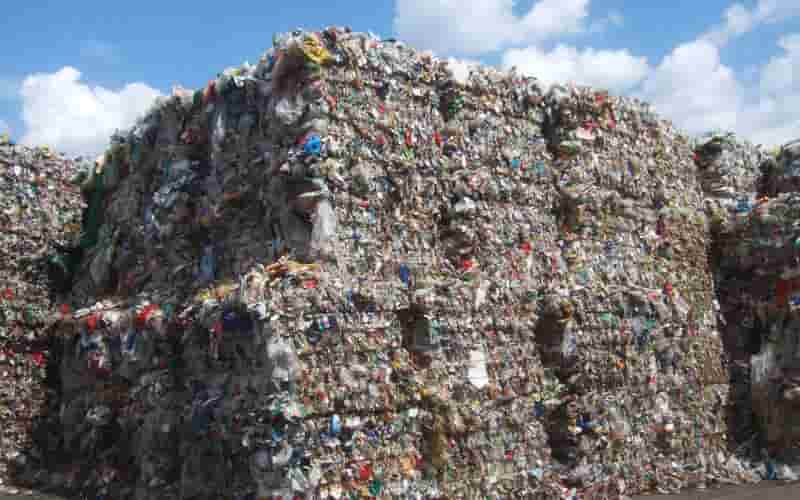
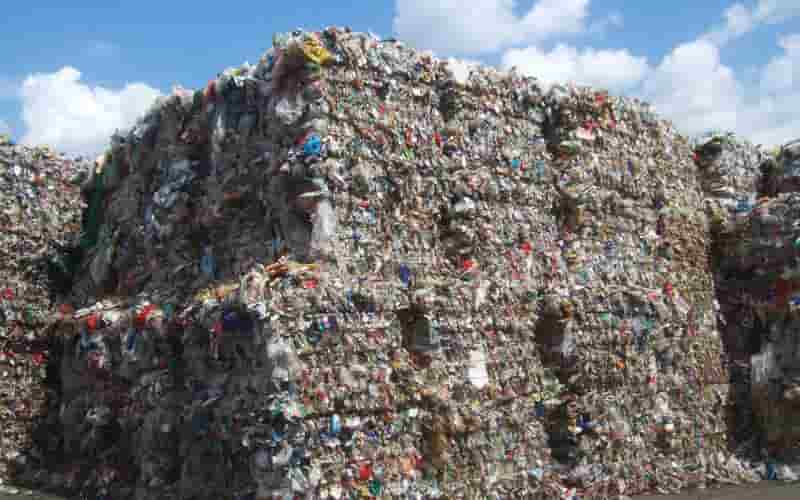
Italy’s Mounting Italian Recycling Crisis Sparks Halt in Plastic Bale Collections
Italy is experiencing a rapidly escalating Italian recycling crisis as several recyclers, represented by the Assorimap industry association, have temporarily stopped collecting plastic bales from sorting centers. This sudden halt signals a deeper structural problem: the country’s recycling industry has seen an 87% collapse in operating profits since 2021, pushing many companies to the edge of shutdown.
This disruption is not an isolated event. It highlights a fragile industrial ecosystem struggling against rising energy costs, overwhelming competition from low-priced imports, and policy delays that hinder long-term planning.
Why Italian Recyclers Halted Collection
Assorimap reports that the core drivers of the Italian recycling crisis are twofold:
1. Heavy energy costs
Italian recyclers pay substantially more for energy than competitors in other European countries. Since recycling plastic requires intensive mechanical and thermal processes, higher energy prices directly reduce profitability. Many businesses can no longer sustain operations without government intervention.
2. Cheap imports flooding the market
Non-EU imports of both virgin and recycled plastics are entering the Italian market at extremely low prices. These imports undermine the value of domestically recycled materials, making it nearly impossible for Italian companies to compete.
Assorimap warns that without immediate corrective measures, more recycling plants will reduce capacity or shut down entirely, deepening the ongoing Italian recycling crisis.
Recyclers Begin Refusing Bale Collections
A prominent Italian recycler confirmed that their plant has stopped collecting bales from sorting centers, and they expect many others to do the same. Collections may continue only in cases where transport logistics were already arranged.
Sorting centers are already feeling the impact. A representative from one facility revealed that several major clients, who purchased PET and HDPE bales for November through Italy’s auction system, are refusing to collect the material.
If this continues, centers will quickly reach their maximum bale storage capacity. Once full, they will be forced to stop accepting mixed plastic waste—creating a major bottleneck in Italy’s waste management system and intensifying the Italian recycling crisis.
How Italy’s Plastic Sorting and Auction System Works
Italy operates a structured separate collection system for plastics. After households sort their waste, sorting facilities break the material into individual polymer fractions such as PET, HDPE, PP, and mixed plastics. These fractions are then sold through a monthly auction to recycling companies.
When recyclers stop collecting bales, the whole chain stalls. The auction system only works if recyclers maintain active intake. A prolonged freeze would disrupt municipalities, waste managers, and Italy’s overall circular economy.
Assorimap Calls for Urgent Government Measures
To stabilize the sector and ease the Italian recycling crisis, Assorimap proposes several interventions:
Accelerating mandatory recycled content
The EU Packaging and Packaging Waste Regulation (PPWR) currently requires mandatory recycled content in plastic packaging by 2030. Assorimap urges Italy to advance this deadline to 2027, which would increase domestic demand for recycled materials.
Introducing carbon credit recognition
Recognizing carbon credits for suppliers of secondary raw materials would reward recyclers by acknowledging the emissions savings they create. This could help offset high operating costs.
Strengthening import traceability
By increasing oversight on non-EU imports, Italy could protect domestic recyclers from questionable low-priced materials that disrupt fair competition.
Further Complication: Plastic Tax Delayed Again
In addition to the ongoing Italian recycling crisis, Italy’s long-planned €450/t single-use plastics tax has been postponed once more. Initially introduced in 2020, the tax—which exempts products made from recycled plastics—has now been delayed eight times. The current implementation date is 1 January 2027, pushed back from July 2026.
While the recycled-plastic exemption could support domestic recyclers, the repeated delays leave the industry without a clear roadmap.
A Crisis That Threatens Italy’s Entire Circular Economy
If unresolved, the Italian recycling crisis could evolve into a full-scale waste management emergency. A halt in bale collection disrupts recycling plants, sorting facilities, and municipal waste systems. It risks increased landfill use and jeopardizes Italy’s ability to meet European sustainability targets.
Italy’s recycling industry is calling for immediate action. Without rapid and coordinated measures, the country may face long-term setbacks in sustainability, competitiveness, and environmental performance.
More…