European Textile Giant Gutted: Lenzing Lyocell Restructuring Axes 2,000 Jobs
European Textile Giant Gutted: Lenzing Lyocell Restructuring Axes 2,000 Jobs
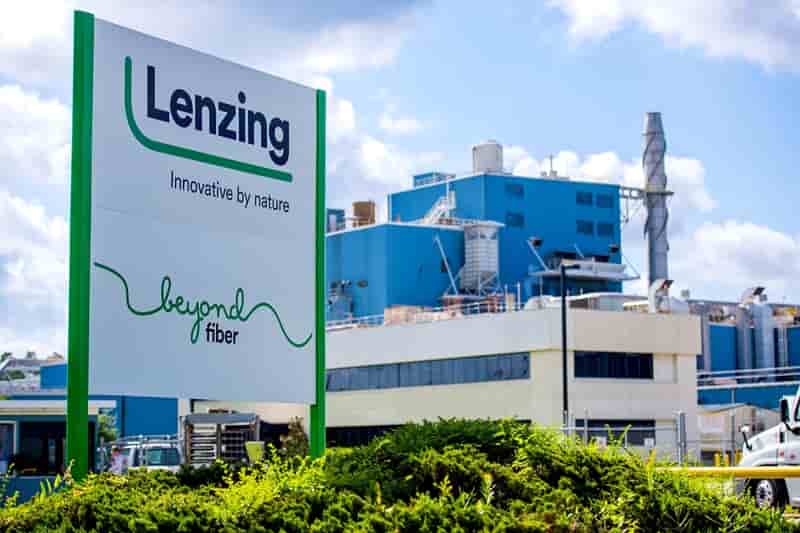
Austrian fiber giant Lenzing Group is executing one of its largest global corporate transformations to date. Under its strategic initiative, “Grow Nonwovens, Reset Textiles,” the company is phasing out fiber operations at two major European manufacturing sites and shrinking its global workforce.
The decision marks a major structural shift for the sustainable material sector. High European energy costs, elevated labor expenses, and severe market pressure from Asian manufacturing hubs have forced Lenzing to pivot away from standard, high-cost textile operations toward higher-margin nonwoven materials and consolidated core bases.
The Exit from Historic Lyocell Production Hubs
The operational adjustment centers on closing fiber production at two pioneer European locations:
-
Heiligenkreuz, Austria: Operating since 1997 as the first facility worldwide to produce over one million cumulative tons of lyocell, this plant will cease fiber production by the end of 2026.
-
Grimsby, United Kingdom: Widely recognized as the commercial birthplace of TENCEL™ lyocell technology, this site will exit fiber manufacturing by the end of 2027.
Combined, these two facilities account for approximately 135,000 tons of annual lyocell capacity (90,000 tons at Heiligenkreuz and 45,000 tons at Grimsby). While Lenzing is evaluating options to sell the assets to preserve local employment, a structured wind-down will occur if no buyer steps forward. Lenzing lyocell restructuring
Massive Workforce Reductions: 2,000 Jobs at Risk
This strategic exit involves a sharp contraction of Lenzing’s human capital. CEO Georg Kasperkovitz confirmed that the group expects to cut around 2,000 positions globally by the end of 2027—slashing its 7,700 full-time equivalent workforce by nearly 25%.
Local impacts include roughly 285 employees remaining in Heiligenkreuz and over 200 jobs threatened at Grimsby. Additional operational adjustments and headcount reductions are scheduled for the company’s viscose facilities in Indonesia.
To cushion the blow, Lenzing has engaged local labor unions and employee representatives to discuss severance plans and social mitigation packages.
Financial Reality: High European Costs vs. Asian Pressure
Even for high-tech, eco-friendly materials like lyocell and viscose, European bases have grown increasingly difficult to maintain. Austrian manufacturing faces industrial electricity rates near €90 per megawatt-hour and labor costs hovering around €44.50 per hour—significantly above global competitor thresholds.
| Market Factor | Impact on European Fiber Bases |
| Energy & Utility Costs | High natural gas and electricity prices erode margins. |
| Asian Capacity Growth | Low-cost Asian volume puts downward pressure on standard fiber prices. |
| Demand Cycles | Slower global textile apparel consumption forces margin compression. |
Despite these challenges, Lenzing’s early Q2 preliminary figures showed signs of stabilization, generating €652 million in revenue and €123 million in EBITDA. However, non-cash asset impairments reaching up to €150 million and restructuring costs up to €40 million are expected to weigh on the full-year 2026 earnings.
Strategic Pivots: Capital Injection and Nonwovens Expansion
To navigate the transition, Lenzing secured up to €600 million in liquidity and capital support through a €300 million rights issue and renewed financing facilities that extend debt maturities out to 2030.
Rather than shrinking its footprint entirely, capital is being concentrated into larger integrated sites:
-
Expanding Nonwovens: Over €23 million has been committed to upgrade nonwoven fiber capacity at the flagship facility in Lenzing, Upper Austria.
-
Specialty Applications: Production is shifting toward hygiene products, filtration materials, and medical wipes under the VEOCEL™ brand, which offer stable demand curves.
-
Optimizing Facilities: Operations in Mobile, Alabama, and key bases in Austria and China are being upgraded to focus exclusively on high-value modal and specialty fibers.
Broader Industry Signal for Sustainable Manufacturing
Lenzing’s realignment highlights a broader reality for European industrial manufacturing. While green and eco-certified materials command market interest, sustainable products remain bound to core market economics.
By consolidating volume into large-scale, cost-efficient plants, Lenzing aims to build a leaner, more resilient operating structure capable of competing in an increasingly cost-sensitive global marketplace.
TENCEL Lyocell Modal: Lenzing’s Lower-Impact Fibers for Sustainable Textiles
More…