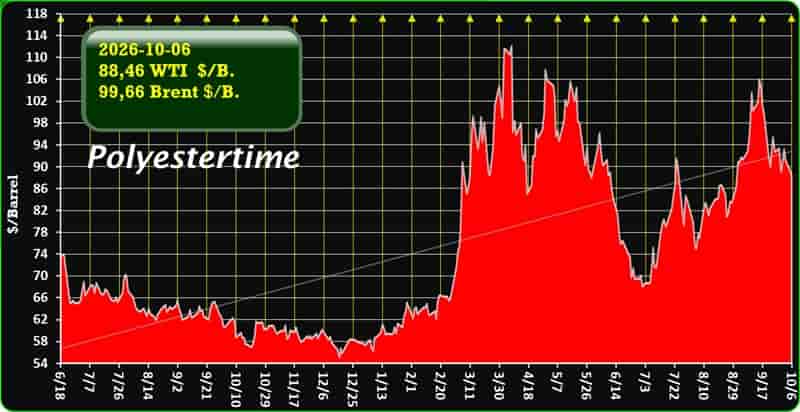
US Iran Oil Prices Surge: Brent Tops $92 as Hormuz Crisis Deepens
US Iran Oil Prices Surge: Brent Hits $92 and WTI Reaches $85 as Strait Tensions Escalate
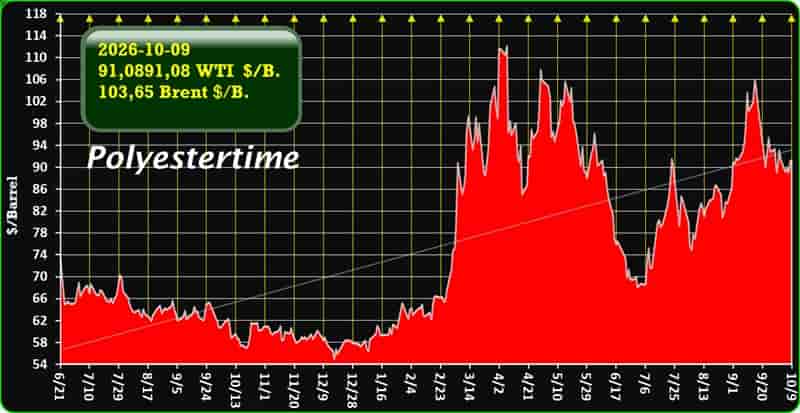
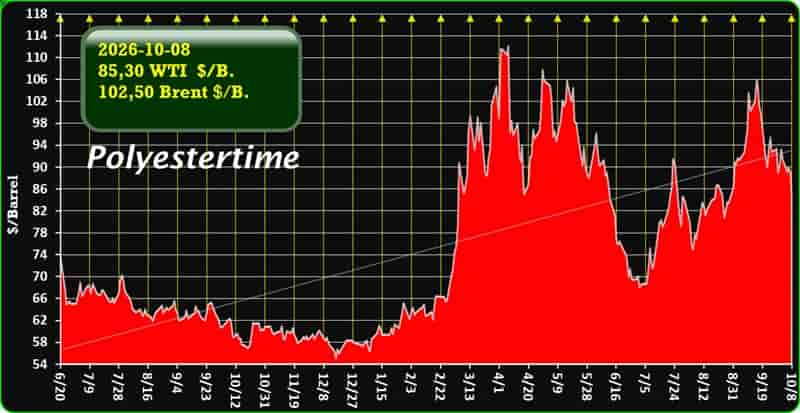
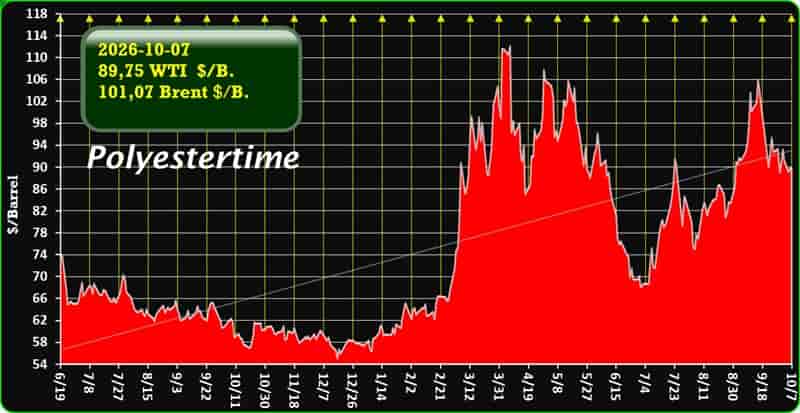
Crude oil markets are experiencing a fresh surge in volatility as escalating geopolitical friction in the Middle East pushes global energy benchmarks to multi-week highs. Brent crude is currently hovering around $92 per barrel, while West Texas Intermediate (WTI) is holding firm near $85 per barrel.
This upward trajectory reflects a growing geopolitical risk premium following the expiration of the 60-day diplomatic negotiation window between the United States and Iran, coupled with renewed security threats along critical global shipping lanes.
Escalating Conflict in the Strait of Hormuz
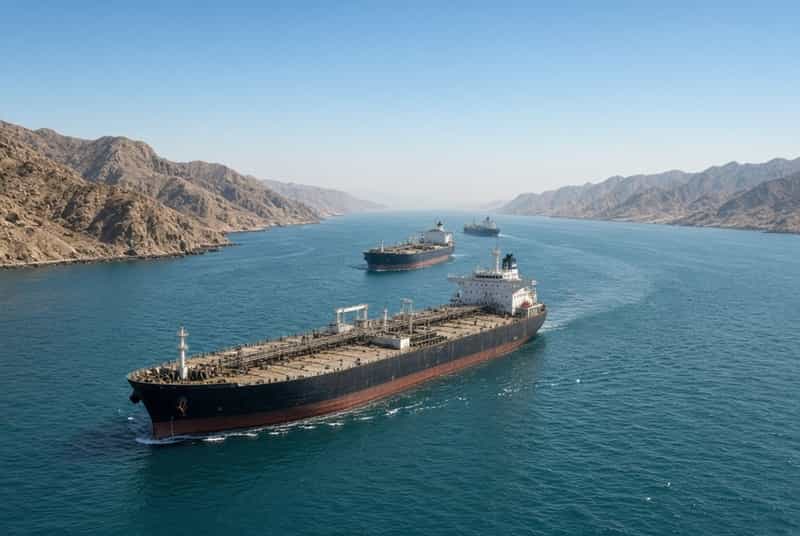
The primary driver behind the immediate price action is the heightened risk environment surrounding the Strait of Hormuz. Historically responsible for the transit of nearly 20% of global seaborne crude, the strategic chokepoint has seen vessel traffic drop sharply due to active blockades, localized missile alerts, and attacks on commercial tankers.
Maritime authorities, including the UK Maritime Trade Operations (UKMTO), recently confirmed reports of cargo vessels suffering damage and crew casualties from targeted strikes in the waterway. The resulting surge in war-risk insurance rates and lingering route diversions have placed severe pressure on physical crude availability. US Iran oil prices
Diplomatic Stalemate Keeps Energy Traders on High Alert
The diplomatic route to restoring normal maritime traffic through the Persian Gulf appears increasingly restricted. Key pressure points currently influencing market sentiment include:
-
Expired Negotiations: The two-month memorandum of understanding aimed at securing a broader deal expired without an extension, leaving Washington and Tehran without an active diplomatic framework.
-
Active US Naval Blockade: Official statements from Washington confirm that naval blockades remain in force, restricting unmonitored tanker traffic through strategic chokepoints.
-
Heightened Regional Tensions: Unsettling threats toward regional diplomatic intermediaries, alongside retaliatory missile alerts in neighboring Gulf states, have disrupted expectations of a swift resolution.
Technical Levels to Watch: Brent $92/B and WTI $85/B
Market analysts note that energy prices have transitioned from pricing in temporary supply disruptions to accounting for potential long-term delays in global supply chains.
| Benchmark | Current Range | Key Support | Key Resistance | Primary Catalyst |
| Brent Crude | ~$92.00 / B | $88.00 / B | $95.00 / B | Strait of Hormuz transit risks & international demand |
| WTI Crude | ~$85.00 / B | $80.00 / B | $90.00 / B | Tightening domestic inventories & US export constraints |
A sustained hold above the $90 mark for Brent keeps the door open for a test toward $95 or higher if physical disruptions deepen. Conversely, any unexpected diplomatic breakthrough or de-escalation signal could see prices pull back toward primary support zones.
Global Supply Depletion and Market Outlook
Beyond headline geopolitical risks, underlying fundamentals continue to support crude prices. Commercial crude inventories in major consuming nations have been trending downward due to high summer refinery runs and diverted maritime routes.
While some producers are attempting to bypass traditional chokepoints via overland pipelines or alternative export terminals, these workarounds cover only a fraction of total export capacity. Until full and safe navigation is restored across Middle Eastern shipping lanes, crude markets are expected to retain a significant geopolitical premium.
US Iran War: Hormuz Standoff Raises Escalation Risk
More…