Low VOC TPE – Automotive Industry Faces Rising Pressure as Low VOC TPE with Recycled Content Becomes Essential After Passing Strict Interior Air Quality Testing Standards 04-12-2025
Low VOC TPE With Recycled Content Passes Automotive Testing
The automotive industry is rapidly redefining its material requirements as sustainability, passenger comfort, and compliance with strict emission standards converge. One of the latest breakthroughs comes from a validated low VOC TPE developed by Hexpol. This thermoplastic elastomer contains recycled content yet successfully meets Porsche’s PN 780 standard for interior air quality and odor emissions.
This milestone highlights the growing importance of low VOC TPE materials in next-generation vehicle design, especially as automakers seek to reduce environmental impact without sacrificing durability or passenger well-being.
What the Porsche PN 780 Validation Means
The PN 780 standard is a benchmark specification created by Volkswagen for use in Porsche vehicles. Its purpose is to evaluate volatile organic compounds and odor levels in materials installed inside the vehicle cabin. Achieving compliance is essential for guaranteeing safe, comfortable indoor air quality for drivers and passengers—a requirement becoming increasingly important across the global automotive sector.
Hexpol’s tested material, part of the Dryflex Circular portfolio, demonstrated extremely low emissions, qualifying it as a high-performing low VOC TPE. For automakers, this validation confirms that recycled-content polymers can now meet the same performance standards traditionally achieved only by virgin materials.
The Composition and Performance of the Tested Material
The material that passed the PN 780 evaluation is Dryflex PIR 853317-2 TPE. It contains 45% post-industrial recycled content, positioning it within the sustainable category of low VOC TPE grades designed for automotive interiors. This combination of environmental responsibility and technical reliability meets several key demands of major automakers.
The testing measured the presence of specific emissions including amines, ketones, formaldehyde, and total VOCs. The results came in far below the regulatory limits, reinforcing the growing acceptance of low VOC TPE materials in premium vehicle brands.
Odor performance was also assessed according to VDA 270, the widely recognized standard used across the German automotive industry. The material scored a “3” on the six-level odor scale. This confirms that the low VOC TPE exhibits a neutral and non-intrusive smell—an essential factor for interior components that remain in close proximity to passengers.
Why This Achievement Matters for the Automotive Industry
Meeting PN 780 requirements with a recycled-content polymer is a major step forward. According to Hexpol’s Product Management team, even virgin materials often struggle to reach these stringent thresholds. Many traditional plastics release measurable VOCs that affect cabin air quality, odor, and long-term passenger comfort.
The fact that a recycled-content low VOC TPE can outperform expectations shows how rapidly sustainable material science is advancing. Automakers now have access to solutions that help them achieve:
-
Lower environmental footprint
-
Regulatory compliance
-
Stable long-term supply
-
Reduced odor and emission levels
-
Improved brand reputation with eco-conscious consumers
This transition is strategic for manufacturers seeking ways to increase the recycled content percentages in their vehicles without degrading overall product quality.
Carbon Footprint Reduction and Environmental Impact
One of the standout advantages of the Dryflex PIR 853317-2 TPE is its carbon footprint reduction. Hexpol reports a 43% decrease in CO2 emissions compared to an equivalent virgin grade. For automakers prioritizing decarbonization, this low VOC TPE offers an impactful way to reduce material-related emissions across high-volume interior applications.
With growing pressure from environmental legislation and global sustainability targets, materials with verifiable carbon savings are becoming essential to future vehicle development. The low VOC TPE solution not only minimizes emissions but also strengthens closed-loop recycling practices inside the plastics and automotive ecosystem.
Key Automotive Applications
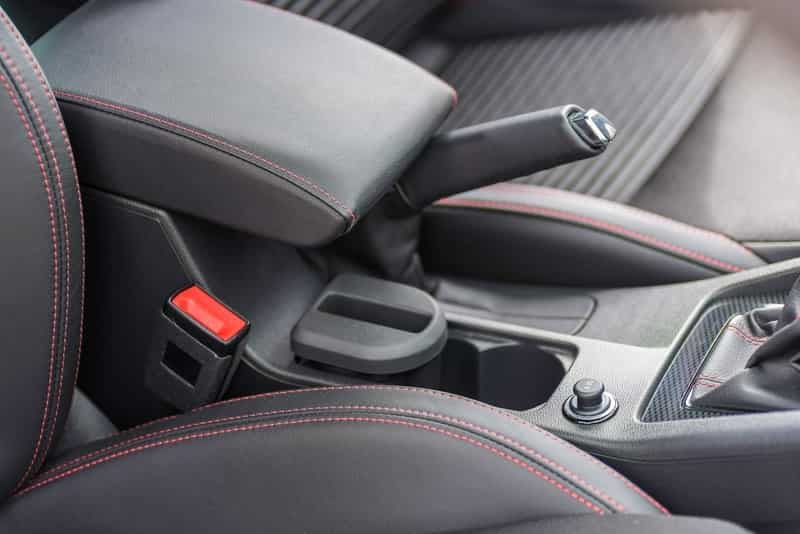
Because of its performance and validated air quality compliance, the low VOC TPE is suitable for multiple high-touch interior components, including:
-
Floor mats
-
Interior seals and gaskets
-
Dashboard and trim overlays
-
Cable and component inserts
-
Soft-touch comfort parts
These applications align with areas where consumers expect durability, flexibility, and low odor—attributes the low VOC TPE clearly achieves.
How Low VOC TPE Supports Future Automotive Strategies
Automotive OEMs are accelerating their transition to cleaner, safer and more sustainable materials. The success of this recycled-content low VOC TPE illustrates how the industry is moving toward polymer solutions that balance circular economy goals with strict quality demands.
This trend also aligns with broader movements across global markets:
-
Increasing health-based cabin air quality standards
-
Stronger VOC regulations in consumer goods
-
More ambitious recycled content requirements
-
Emphasis on lightweight components to support EV efficiency
Low VOC TPE materials offer a unique combination of sustainability, low emissions, and robust performance. As more automakers adopt them, the industry will continue to reduce environmental impact while enhancing passenger comfort.
More…