Nigeria plastic recycling plant – Polysmart’s $60 Million Nigeria Recycling Expansion Signals a Turning Point for Plastic Waste, Jobs, and the Circular Economy 28-01-2026
Nigeria plastic recycling plant
Polysmart invests $60m in Nigeria’s largest plastic recycling plant
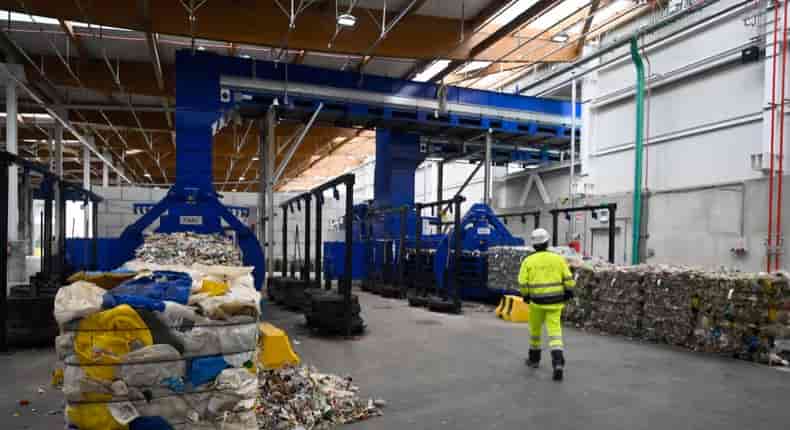
Polysmart Packaging Limited has announced a landmark $60 million investment to expand plastic recycling capacity in Nigeria, marking one of the most significant sustainability-driven industrial projects in West Africa. The expansion will deliver Nigeria’s largest state-of-the-art plastic recycling facility, with the first phase scheduled for commissioning by March 2026 and final completion by July 2026.
This strategic investment strengthens Nigeria’s transition toward a circular economy, positioning plastic waste not as an environmental liability but as a valuable industrial resource. By converting post-consumer plastic into high-quality recycled materials, Polysmart is addressing pollution, supply-chain resilience, and sustainable manufacturing at national scale. Nigeria plastic recycling plant
Scaling food-grade rPET recycling in Nigeria
At the core of the expansion is a strong focus on food-grade rPET recycling, a critical material for the beverage, food, and FMCG sectors. The new facility will process multiple polymer streams, with advanced technology designed to meet the most stringent international standards.
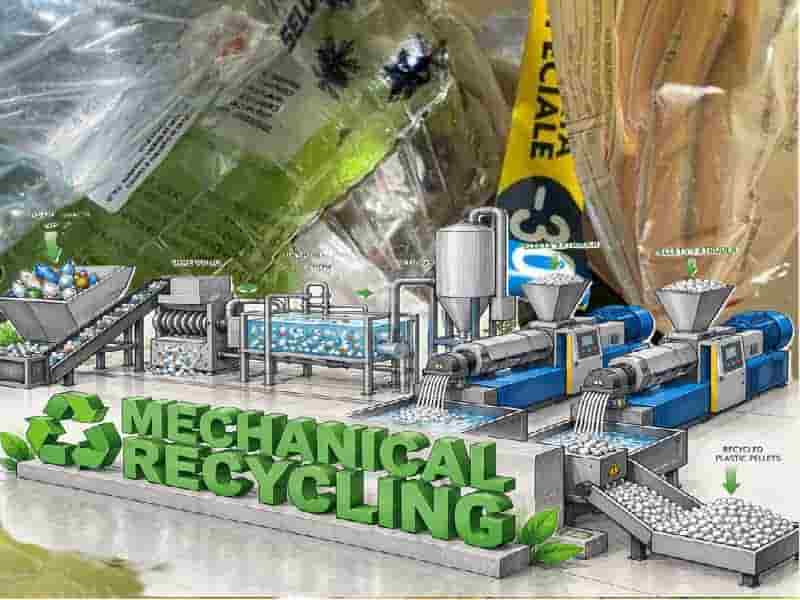
The plant will utilize Sorema Plastic Recycling Systems, Tomra Sorting Solutions, and two Erema Vacunite 2621T V-LeaN SSP units. This technology stack enables the production of recycled PET resin and flakes that comply with European Food Safety Authority (EFSA) and US Food and Drug Administration (FDA) requirements.
In addition to food-grade rPET, the facility will recycle HDPE, LDPE, and PP for non-food applications, significantly broadening Nigeria’s recycled plastics portfolio. Nigeria plastic recycling plant
Reducing plastic pollution through industrial-scale recovery
Plastic waste remains one of Nigeria’s most pressing environmental challenges, with landfills, waterways, and drainage systems under increasing pressure. Polysmart’s expanded plant is designed to tackle this issue at scale.
Once fully operational, the facility will have an input capacity of 100,000 tons of mixed plastics per year, enabling the recovery and recycling of more than 5.5 billion PET bottles annually. This volume represents a substantial reduction in plastic leakage into the environment and a decisive step toward waste-to-value transformation.
By diverting plastic from landfills and oceans, the project directly contributes to cleaner cities, improved public health, and more resilient urban infrastructure.
Driving import substitution and industrial resilience
Nigeria’s manufacturing sector relies heavily on imported virgin plastics, exposing businesses to foreign exchange volatility and global supply disruptions. Polysmart’s investment addresses this structural vulnerability. Nigeria plastic recycling plant
By producing certified food-grade rPET locally, the company enables domestic manufacturers to source high-quality recycled raw materials within Nigeria. This supports import substitution, conserves foreign exchange, and stabilizes supply chains for food and beverage producers.
The availability of locally recycled plastics also improves competitiveness for Nigerian manufacturers seeking to align with global sustainability requirements.
Job creation across the recycling value chain
Beyond infrastructure and technology, the $60 million expansion represents a major investment in human capital. The project is expected to generate thousands of direct and indirect jobs across the plastic recycling value chain. Nigeria plastic recycling plant
Employment opportunities will span waste collection, sorting, logistics, technical operations, plant management, and supporting services. By formalizing and scaling waste recovery networks, the project creates dignified, long-term livelihoods while improving working conditions in the informal waste sector.
This inclusive growth model strengthens local communities and reinforces the social dimension of sustainability.
Cutting carbon emissions and supporting ESG goals
The expanded recycling capacity will significantly reduce Nigeria’s dependence on virgin plastics derived from crude oil. By replacing fossil-based materials with recycled alternatives, Polysmart contributes to measurable climate benefits. Nigeria plastic recycling plant
The new facility is expected to deliver carbon savings of up to 170,000 tons, while also reducing energy consumption compared to virgin plastic production. These outcomes align with Environmental, Social, and Governance (ESG) frameworks adopted by multinational brands and global investors.
For companies operating in Nigeria, access to locally produced recycled materials supports compliance with international sustainability reporting standards and circular economy commitments. Nigeria plastic recycling plant
Strengthening Nigeria’s role as a regional recycling hub
Polysmart is working closely with federal and state environmental agencies to ensure the project meets the highest global standards for safety, environmental protection, and operational excellence.
The scale and sophistication of the new plant position Nigeria as a regional hub for sustainable plastics manufacturing in West Africa. This leadership role enhances the country’s attractiveness for green investment, technology transfer, and regional supply partnerships.
As demand for recycled materials continues to rise across Africa, Nigeria’s expanded recycling infrastructure will play a critical role in meeting both domestic and regional needs.
A long-term vision for sustainable plastics transformation
Polysmart Packaging Limited continues to expand capacity, strengthen waste recovery networks, and invest in advanced recycling technologies. The $60 million expansion is not a one-off project but part of a broader strategy to lead Nigeria and West Africa in sustainable plastics transformation.
By combining environmental impact, economic resilience, and social inclusion, the project demonstrates how industrial investment can address multiple national priorities at once. Nigeria plastic recycling plant
As Nigeria confronts the dual challenges of plastic pollution and industrial development, Polysmart’s recycling expansion offers a scalable, future-ready model for circular manufacturing. Nigeria plastic recycling plant
More…