Oil Price Surge Sparks Market Anxiety as Brent and WTI Hold Above $110 on Geopolitical Shock and Supply Fears
Oil Price Today: Brent and WTI Rally Above $110
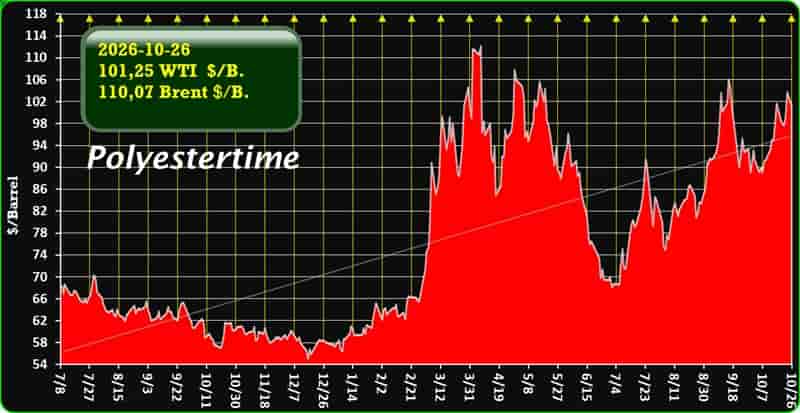
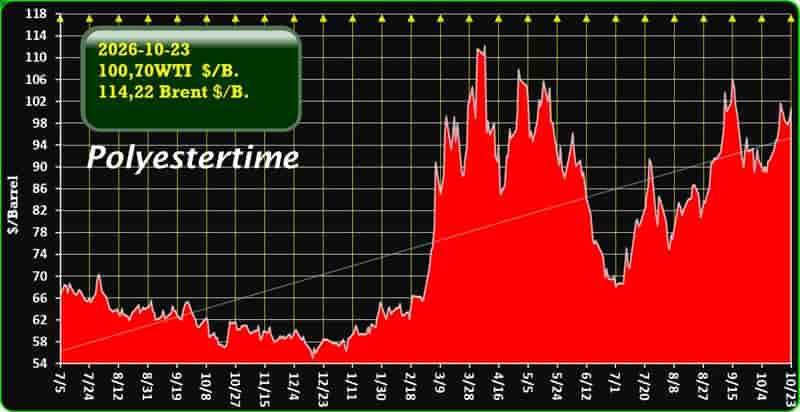
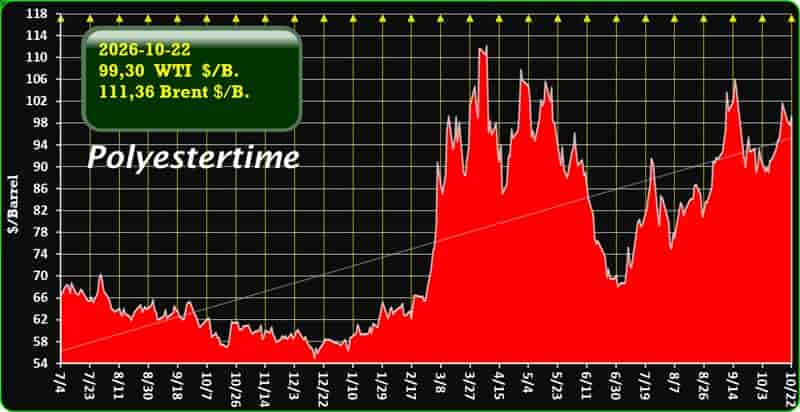
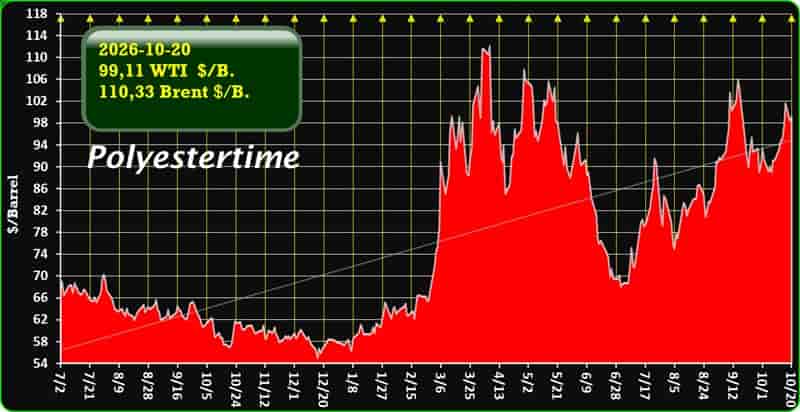
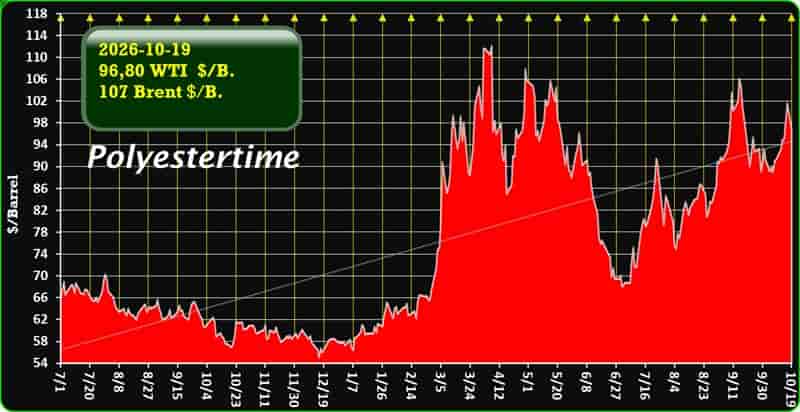
The crude price continues its sharp upward trajectory as of April 3, 2026, with both major benchmarks trading in the $105–$115 per barrel range. Brent crude is hovering near $109–$111, while WTI has surged to similar levels, briefly exceeding $111 per barrel in recent sessions.
This marks one of the most significant short-term rallies in recent years, with WTI jumping over 11% in a single session and Brent gaining nearly 8%, reflecting extreme market tightness and heightened geopolitical risk.
Key Oil Benchmarks Snapshot
| Benchmark | Price Range ($/B) | Daily Change | Trend |
|---|---|---|---|
| Brent Crude | 105 – 115 | +7% to +8% | Strong bullish |
| WTI Crude | 105 – 115 | +10% to +11% | Highly volatile |
What Is Driving the Oil Price Surge?
1. Geopolitical Tensions: The Dominant Catalyst
The primary driver behind the current oil price spike is the escalating Middle East conflict involving Iran, which has intensified fears of supply disruption. The Strait of Hormuz, a critical chokepoint for global oil flows, is effectively constrained, threatening over 10% of global supply.
Recent U.S. military actions and ongoing uncertainty about conflict resolution have significantly increased the geopolitical risk premium embedded in the crude price.
2. Supply Shock and Physical Market Tightness
The oil price is also reacting to severe supply shortages, reflected in market structure:
- Strong backwardation (higher near-term prices)
- Record premiums for immediate delivery
- Rising shipping and insurance costs
This indicates a tight physical market, where buyers are willing to pay significantly more for immediate crude availability.
3. OPEC+ Policy and Production Constraints
OPEC+ remains a critical variable in the oil price equation. While the group has planned a modest output increase (~206,000 b/d starting April 2026), this is insufficient to offset current disruptions.
Moreover:
- Spare capacity remains limited
- Some producers face operational constraints
- Policy decisions remain reactive to geopolitical developments
As a result, OPEC+ is currently supporting elevated oil price levels rather than capping them.
4. Demand Resilience vs Economic Uncertainty
Despite high prices, global demand remains relatively resilient:
- Industrial activity continues in major economies
- Energy demand remains structurally strong
However, there are warning signs:
- Rising energy costs are impacting industrial sectors, especially in Europe
- Inflationary pressures may weaken consumption over time
This creates a fragile balance between demand strength and macroeconomic risks.
Investor Sentiment: Volatility with a Bullish Bias
Investor sentiment around the oil price is currently bullish but highly reactive:
- Traders are pricing in continued supply disruption
- Futures markets show extreme short-term tightness
- Speculative positioning has increased significantly
At the same time, financial markets are showing mixed reactions:
- Equity markets remain relatively stable
- Energy stocks outperform
- Broader indices show caution rather than panic
This reflects a market that expects high oil price levels to persist—but with volatility.
Oil Price Trend in Context
The recent crude price surge is not an isolated event. Over the past month:
- Brent has risen over 30%
- Year-on-year gains exceed 50%
This highlights a transition from a fundamentals-driven market to a geopolitics-driven market, where price movements are increasingly dictated by external shocks rather than supply-demand equilibrium alone.
Short-Term Outlook: Where Is the Oil Price Heading?
Bullish Scenario (Most Likely Short-Term)
If current conditions persist:
- Oil price could remain in the $105–$120 range
- Further escalation could push prices higher
- Supply disruptions remain the key variable
Bearish Scenario (Conditional)
If tensions ease:
- Oil price could retreat toward $90–$100
- OPEC+ supply increases may gain influence
- Inventory builds could pressure prices later in 2026
What This Means for the Global Economy
The current oil price environment has significant implications:
Economic Impact
- Higher inflation due to energy costs
- Pressure on industrial production
- Delayed monetary easing by central banks
Energy Markets
- Increased investment in alternative energy
- Renewed focus on energy security
- Volatility becoming a structural feature
Final Takeaway
As of April 3, 2026, the oil price is firmly in a high-volatility, geopolitics-driven phase, with Brent and WTI trading above $110. The market is being shaped less by traditional fundamentals and more by supply disruption risks and geopolitical uncertainty.
In the short term, the oil price is likely to remain elevated, with direction depending almost entirely on developments in the Middle East. For global markets, this signals a period of heightened risk, persistent inflation pressures, and continued energy market instability.
More…