Oil price volatility middle east conflict : Sharp Escalation as US and Israel Attack Iran: Explosions in Tehran Spark Fear of Broader Conflict and Surge in Global Oil Price Volatility Today 28-02-2026
Oil price volatility middle east conflict
Joint US Israel Military Strikes on Iran Shake Global Stability
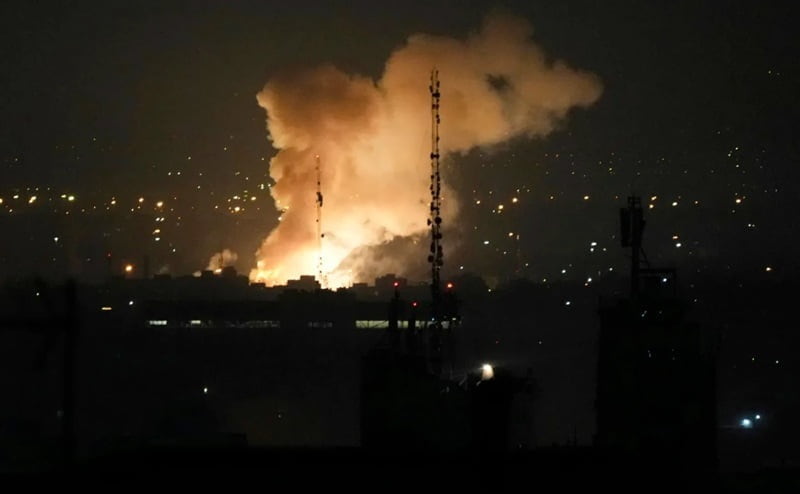
A coordinated military operation involving the United States and Israel struck targets in Iran on February 28 2026, with multiple explosions reported across Tehran and other cities. Iranian and international news outlets confirm that strikes hit urban and strategic areas early Saturday, marking a dramatic escalation in long-standing tensions. This comes amid rising hostilities over Iran’s nuclear program and previous military buildups in the region.
Tehran saw explosions in key districts, and both Iran and Israel have taken emergency measures. Israel declared a nationwide state of emergency in anticipation of a response from Iran, closing its airspace and mobilizing civil defense systems. The United States confirmed its participation alongside Israeli forces, though details of the scope remain emerging.
What This Means for Oil Price Volatility Middle East Conflict
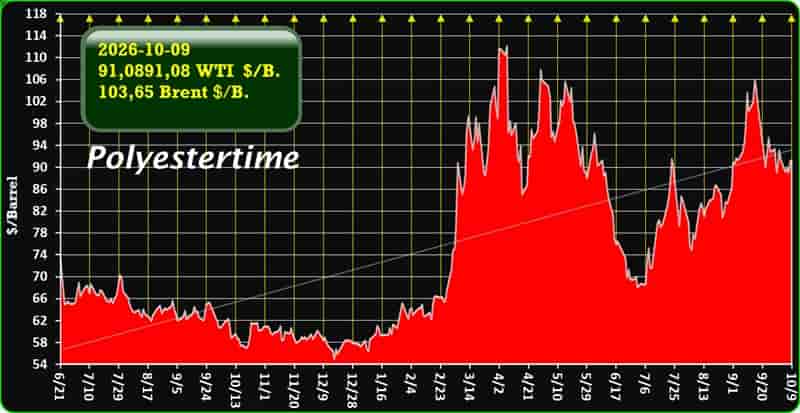
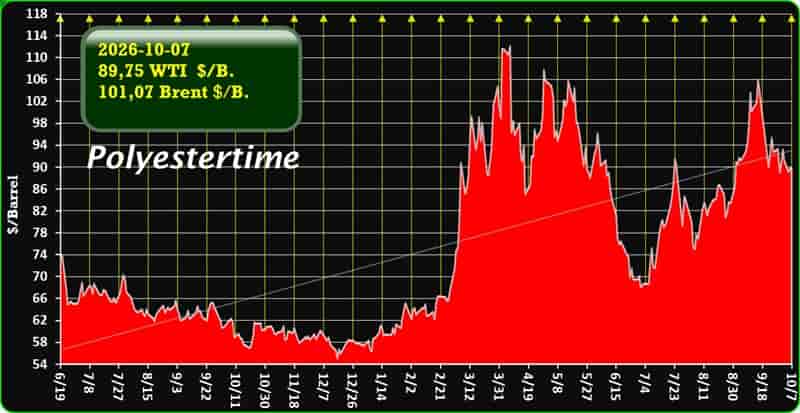
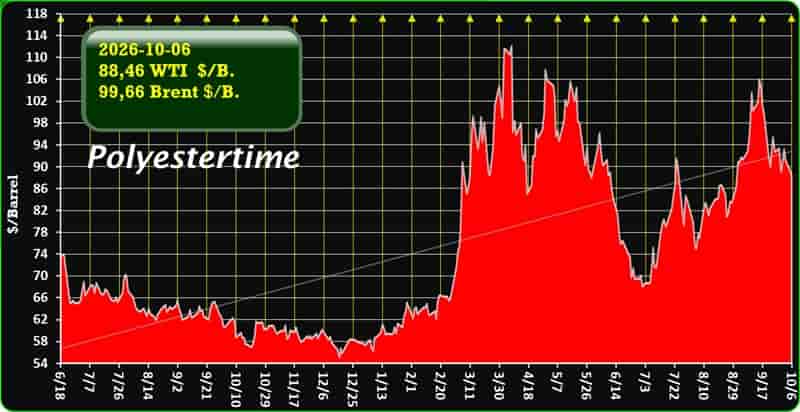
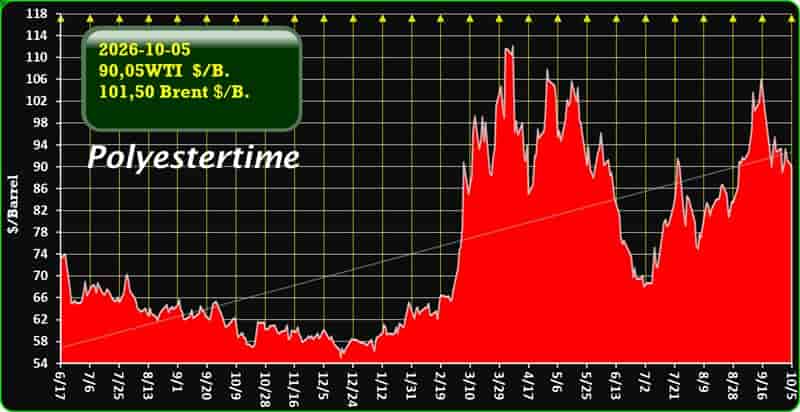
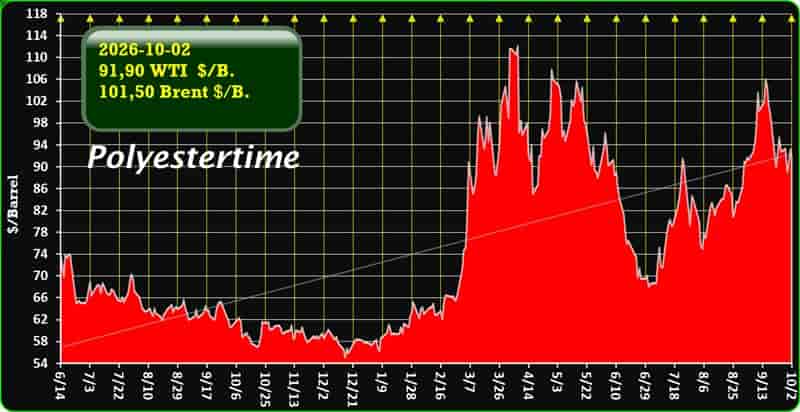
The sudden escalation directly feeds into concerns about oil price volatility middle east conflict, a key indicator watched by markets and policymakers. The Middle East is home to vital energy infrastructure and transit chokepoints like the Strait of Hormuz, through which nearly one-fifth of the world’s petroleum liquids pass. Even perceived risk to these routes historically drives prices higher as traders price in supply uncertainty.
Analysts have long warned that any significant military brinkmanship involving Iran could tighten global crude markets. In earlier phases of the Iran-Israel conflict, Brent crude saw sharp increases as fears surged of supply disruption and broader regional instability. While markets adapt to ongoing tensions, oil price volatility middle east conflict remains elevated as this latest confrontation unfolds.
Regional Dynamics and Risk of Conflict Spread
Beyond energy markets, the immediate risk is that this clash spreads beyond Iran and Israel. Middle Eastern geopolitical fault lines include intra-regional alliances and proxy networks that could draw additional states into hostilities. Past conflicts have seen neighboring countries like Iraq, Syria, and Yemen affected indirectly, and current developments raise the specter of further escalation.
Iran has significant missile and drone capabilities that could be directed at U.S. bases, allied states, or civilian targets in retaliation. Officials in Israel have warned of expected counter-strikes, and sirens have reportedly sounded domestically as readiness levels rise.
India and other nations have already issued advisories urging their nationals in the region to exercise caution, recognizing the potential for broader instability and civilian harm.
Economic and Energy Market Implications
Global energy markets respond quickly to geopolitical risk. Disruptions or the perception of potential disruptions in crude supply typically lead to upward pressure on prices. If conflict intensifies or if Iran were to threaten closure or harassment of key oil transit routes like the Strait of Hormuz, the effects could be far-reaching, affecting fuel costs, inflation, and international trade flows.
Historical analysis of earlier Middle East escalations shows that even limited military engagements can push benchmarks like Brent crude higher, sometimes by double-digit percentages in short order. This reflects a market premium for risk that persists until clarity returns. oil price volatility middle east conflict
Financial markets also price in geopolitical risk, with commodities often rallying while equities weaken and safe-haven assets like gold gain appeal. The current situation suggests renewed volatility across asset classes until diplomatic or de-escalatory signals emerge.
Pathways to De-escalation or Escalation
While the immediate focus is on military developments and mercado risk, long-term outcomes depend on whether diplomatic channels re-open, regional actors seek containment, or hostilities broaden. Previous attempts at negotiation, including indirect talks over Iran’s nuclear program, have floundered in the face of military action, leaving energy markets sensitive to political shifts. oil price volatility middle east conflict
Scenario analyses from strategic energy research suggest that diplomatic breakthroughs could temper oil price volatility middle east conflict, whereas sustained or expanded conflict would entrench higher energy risk premiums into global pricing and complicate economic recovery trajectories.
What to Watch Next
For web readers and policymakers alike, the critical developments to monitor in the coming hours and days include:
-
Official responses from Tehran and allied states.
-
Movements of oil price benchmarks like Brent crude and West Texas Intermediate.
-
Any disruptions or threats to key maritime routes for oil shipping.
-
Diplomatic outreach or emergency sessions at the United Nations.
Keeping an eye on these indicators will help gauge whether this sharp escalation is a contained episode or the beginning of wider conflict and sustained market volatility. oil price volatility middle east conflict
Saudi Arabia’s Sudden Oil Production Surge Signals Rising Middle East Tensions and Deepening Fears of Supply Shock After Potential US Strike on Iran
More…