Oil Prices and the US–Iran War: Brent Near $85
Oil prices Iran war
Oil Prices and the US–Iran War: Why Brent Is Near $85 and WTI Near $80
Current oil market
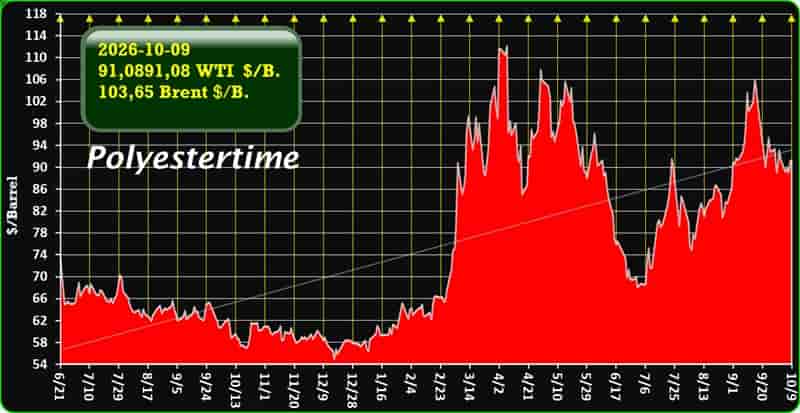
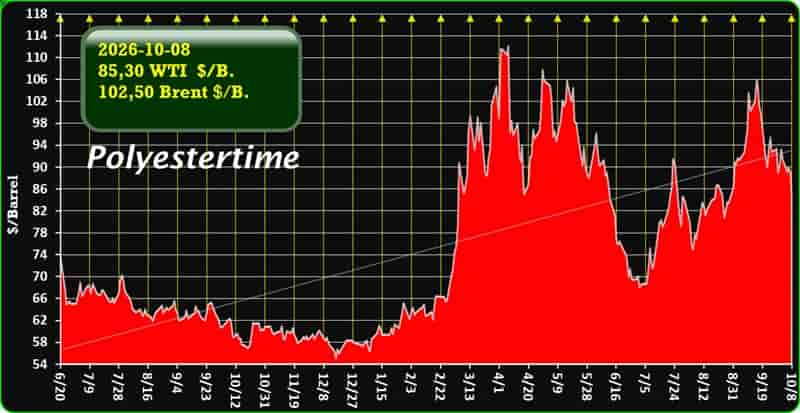
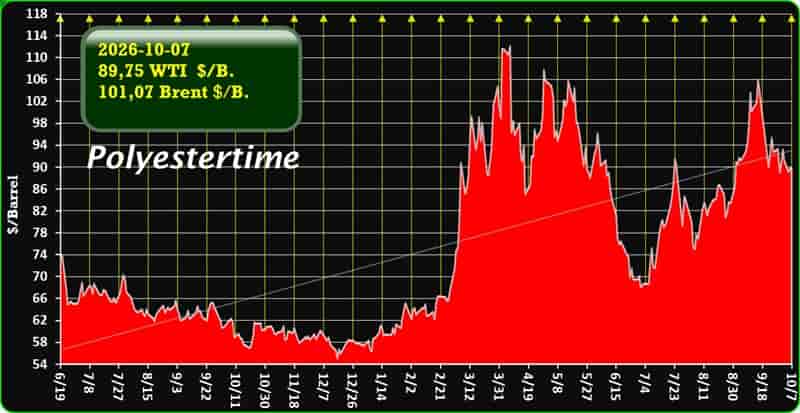
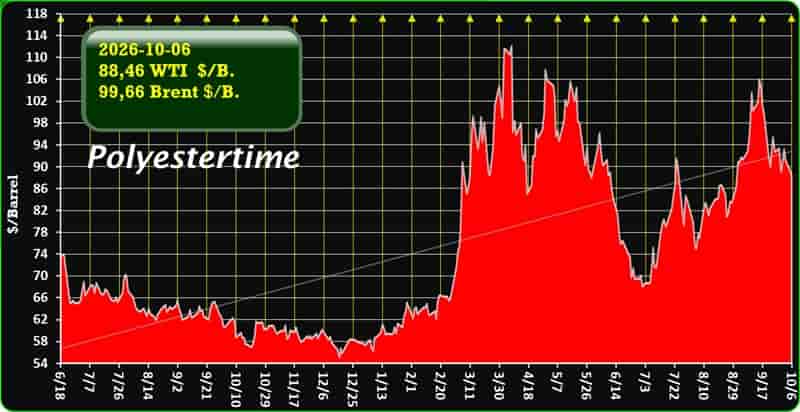
Brent crude is trading around $85 per barrel, while West Texas Intermediate (WTI) is near $80 per barrel. Early trading data reported Brent October futures at approximately $86.28 and WTI October futures at about $80.29, after both benchmarks fell by more than $2 per barrel.reuters
The decline reflects a reduction in the market’s immediate fear premium. Investors are reacting to renewed talks between Iran and Oman over a temporary shipping corridor through the Strait of Hormuz, together with the United States’ greater emphasis on economic pressure and sanctions rather than an immediate expansion of military action.reuters+1
However, the lower prices should not be interpreted as a full return to normality. The Strait of Hormuz remains a major source of uncertainty, tanker traffic is still severely restricted and the latest diplomatic proposals have not yet produced a fully operational and secure reopening. Iranian officials have also stressed that the proposed arrangement does not necessarily mean that the strait is open.aljazeera+1
Why the Strait of Hormuz matters
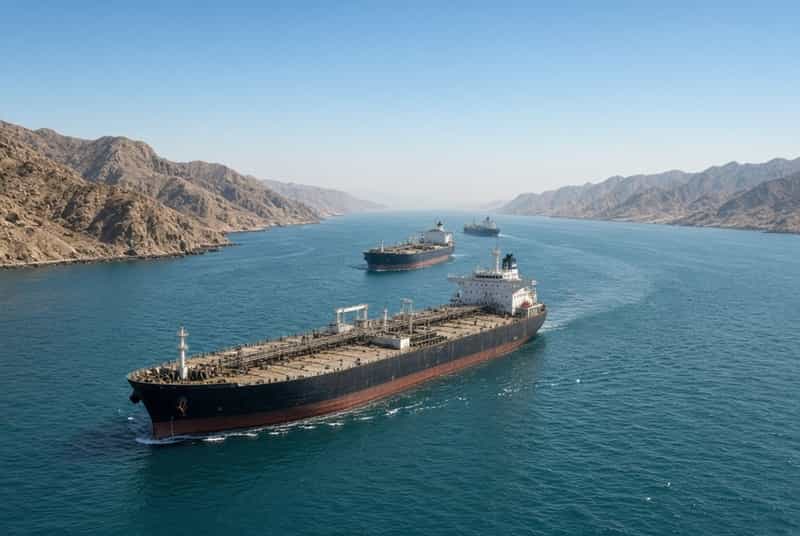
The Strait of Hormuz is one of the world’s most important energy chokepoints. According to the U.S. Energy Information Administration, oil flows through the strait averaged about 20 million barrels per day in 2024, equivalent to approximately one-fifth of global petroleum liquids consumption.eia
The International Energy Agency estimates that around 20 million barrels per day, or roughly 25% of global seaborne oil trade, normally passes through Hormuz. Most of these shipments are destined for Asian markets, making the waterway particularly important for China, India, Japan, South Korea and other major importing economies.iea
A prolonged disruption would affect more than crude availability. It could also influence:
-
Refined-product exports and regional fuel prices.
-
Liquefied natural gas shipments from the Gulf.
-
Tanker insurance and freight rates.
-
Delivery times for crude and petrochemical feedstocks.
-
Refinery margins and the cost of transporting polymers and chemicals.
-
Inflation expectations in energy-importing economies.
The market is therefore pricing two opposing forces. On one side, the conflict creates a substantial risk of supply and logistics disruption. On the other, weaker demand, available inventories and increased production outside the Gulf can limit the immediate price reaction.
Why oil has not surged further
Oil prices remain above their pre-conflict level, but the increase has been less extreme than some early scenarios suggested. Reuters reported that Brent remained around $90 per barrel in recent trading, approximately 25% above its pre-war level, while ample inventories, lower Chinese imports and increased production outside the Gulf helped contain the rally.reuters
Several factors are currently limiting upward pressure:
1. Diplomatic signals
The Iran–Oman discussions have reduced the probability that shipping restrictions will remain unchanged. Even a temporary navigational corridor could allow some tankers to move, easing the market’s most immediate supply concern. The proposal reportedly includes a temporary shipping route and mine-clearance efforts.cnn
2. Sanctions instead of immediate escalation
The United States is increasing economic pressure on Iran through sanctions targeting the country and its trading network. Traders appear to view sanctions as less immediately damaging to physical oil flows than a new wave of military escalation.cnbc+1
This does not eliminate supply risk. Sanctions can still affect Iranian exports, payment channels, shipping access and the behavior of buyers. Their impact is more likely to develop over weeks and months than through a single sharp price move. oil prices Iran war
3. Inventories and emergency stocks
The IEA reported that observed global oil stocks had fallen below 7.9 billion barrels by the end of July. Stocks had declined by approximately 410 million barrels since the beginning of the war, equivalent to an average draw of about 2.7 million barrels per day.iea
Emergency stock releases have helped reduce the initial shock. Nevertheless, the IEA warned that inventory buffers are being depleted and that reopening the Strait of Hormuz has become increasingly urgent.iea
4. Demand uncertainty
High energy prices can weaken consumption, particularly in transport, manufacturing and petrochemicals. Slower industrial activity would reduce demand for crude, naphtha, gas and other feedstocks.
For plastics producers, this creates a mixed picture. Higher crude and freight costs can raise the cost base for polymers, while weaker demand can limit producers’ ability to pass those increases through to converters and end users.
Three possible market scenarios
The next phase of the market will depend mainly on the status of Hormuz, the intensity of military activity and the effectiveness of sanctions.
A temporary agreement would not immediately restore normal market conditions. Tanker operators would still need evidence that the route is safe, mines have been cleared and insurance coverage is available at commercially viable rates.
The most important indicator is therefore not only the announcement of a diplomatic agreement, but also sustained physical traffic through the waterway.
Outlook for Brent and WTI
In the short term, Brent is likely to remain highly sensitive to headlines from Washington, Tehran and Muscat. Prices near $85–90 per barrel indicate that the market still assigns a meaningful geopolitical risk premium, even as traders respond positively to signs of possible de-escalation.
Brent should retain a larger risk premium than WTI because it is more directly exposed to international seaborne supply and geopolitical disruption. WTI is also affected by global events, but its pricing is more closely linked to U.S. domestic production, inventories, refinery demand and export infrastructure.
The downside risk is a credible and lasting reopening of Hormuz combined with weaker demand and improving inventories. The upside risk is a renewed attack on tankers, a breakdown in Iran–Oman talks, tighter enforcement of sanctions or a broader military escalation.
For chemical and plastics markets, the key variables to monitor are:
-
Brent and WTI front-month prices.
-
Middle East crude differentials.
-
Naphtha and LPG prices.
-
Tanker freight and war-risk insurance premiums.
-
European and Asian refinery margins.
-
Polymer producer surcharges.
-
Inventory levels in the United States, Europe and Asia.
-
The number and type of vessels transiting Hormuz.
Conclusion
Oil prices are easing because markets see a possible diplomatic path toward restoring shipping through the Strait of Hormuz and because the United States is currently emphasizing sanctions and economic pressure. Nevertheless, the underlying supply risk remains serious: Hormuz normally carries roughly 20 million barrels of oil per day, while global inventories have already been reduced by months of disruption.eia+1
With Brent near $85 per barrel and WTI around $80, the market is balancing potential de-escalation against the possibility of renewed disruption. Until tanker traffic returns to consistently normal levels, volatility is likely to remain a central feature of the crude and petrochemical markets.
Source and accuracy note
This article distinguishes between confirmed market data and developing political events. The reported prices are intraday indications and can change during the session. The Iran–Oman shipping proposal should be treated as a developing arrangement rather than a completed reopening, because Iranian statements indicate that the waterway has not necessarily returned to normal operation.
Iran Sanctions Escalate as Trump Unveils ‘Economic D-Day’ Campaign
More…