Major Breakthrough: Pakistan PET Recycling Gains 24,000-Tonne Boost
Major Breakthrough: Pakistan PET Recycling Gains 24,000-Tonne Boost
Pakistan’s capacity to turn discarded beverage bottles into new food-grade packaging has taken a significant step forward.
Novatex Ltd. can now produce more than 24,000 tonnes of recycled PET, or rPET, annually at its facility in the Quaid-e-Azam Business Park near Lahore. The development adds industrial-scale bottle-to-bottle processing capacity to a country facing persistent gaps in plastic collection and recycling.
Key facts
-
Company: Novatex Ltd.
-
Location: Quaid-e-Azam Business Park near Lahore, Pakistan
-
Technology supplier: Starlinger
-
Recycling system: recoSTAR PET 215 art
-
Maximum output: 3,000 kilograms per hour
-
Estimated annual capacity: More than 24,000 tonnes
-
Feedstock: Collected post-consumer PET bottles
-
Main product: Food-contact recycled PET chips
-
Commissioned: November 2025
From used bottles to new packaging
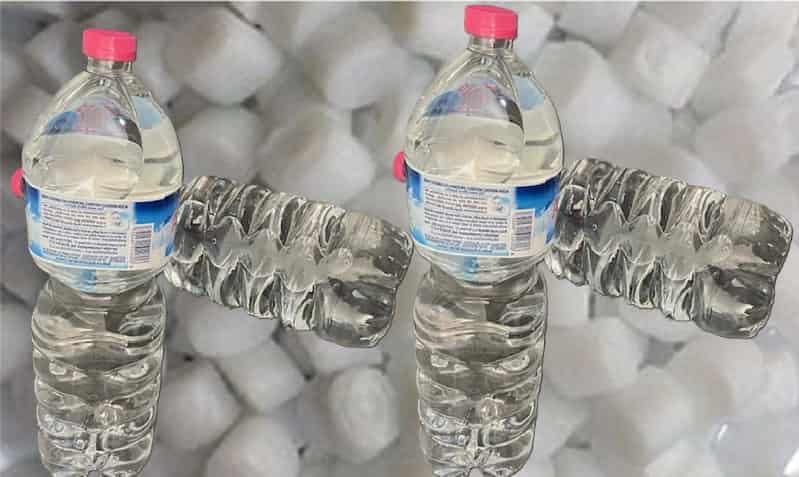
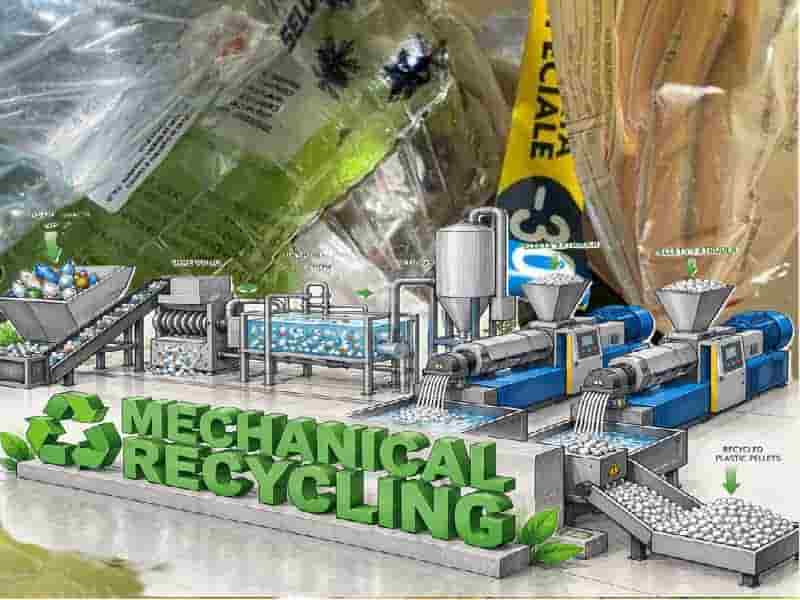
The new line processes post-consumer PET bottles into recycled resin suitable for new food and beverage packaging.
Its output can reach 3,000 kilograms per hour. At sustained industrial operation, that translates into more than 24,000 tonnes of rPET a year, according to information published by recycling technology supplier Starlinger on August 25, 2026.
Novatex can use the recycled chips in its own PET preform manufacturing operations or supply them to customers in Pakistan and international markets. This integrated model gives the company control over more of the packaging production chain, from resin processing to the preforms used to manufacture bottles.
The company says the material has the food-contact certifications required by its customers and is already being used by major beverage brands. Specific certifications and approvals should nevertheless be checked against the requirements of each destination market and individual packaging application.
Why the capacity matters
Pakistan’s PET bottles are part of a much wider plastic-waste challenge.
A 2026 United Nations Pakistan update estimated that the country generates approximately 3.12 million tonnes of plastic waste annually, with only 4% to 9% being recycled. Separately, the UN Development Programme has reported that plastic use is increasing by about 15% a year and that plastics account for nearly 40% of solid waste found in the Indus River.
Against that backdrop, Novatex’s investment provides an additional domestic destination for collected PET bottles. It could also help beverage and packaging companies increase their use of recycled material without depending entirely on imported rPET.
The environmental benefit will depend on more than the plant’s nameplate capacity. Reliable collection, effective sorting, low contamination and consistent demand for recycled resin will determine how much material actually completes the bottle-to-bottle cycle.
Collection remains the decisive link
Novatex reportedly obtains much of its feedstock through municipal and kerbside collection channels across Pakistan.
That supply chain includes formal businesses as well as informal waste collectors and aggregators. These workers play a substantial role in recovering valuable packaging, but they may operate without stable prices, protective equipment or formal employment safeguards.
Expanding processing capacity can create demand for collected bottles. However, a durable circular system also requires investment in source separation, traceability and safer working conditions throughout the collection network.
Brand commitments are driving demand
Pakistan does not currently have a nationwide mandatory recycled-content requirement for plastic packaging comparable to the European Union’s packaging rules.
As a result, demand for bottle-grade rPET is being driven largely by voluntary corporate targets, export requirements and the commitments of major beverage companies. Novatex says its investment is intended to help customers including PepsiCo and Coca-Cola pursue their packaging circularity goals.
Brand-led demand can support early investment, but predictable national rules would give recyclers and packaging producers greater certainty when planning future capacity.
Pakistan’s plastic roadmap
In April 2025, Pakistan’s government, the United Nations Development Programme and the World Economic Forum launched the National Plastic Action Partnership Roadmap.
The roadmap calls for stronger collection and recycling systems, more circular business models, public education and greater inclusion of vulnerable communities. It also proposes support for smaller enterprises and the creation of a Plastic Circularity Network.
Pakistan’s CoRe Alliance has separately called for a harmonised national Extended Producer Responsibility framework. EPR policies generally make producers responsible for financing or managing the collection and treatment of packaging after consumers discard it.
A coordinated system could provide funding for collection, improve material traceability and reduce regulatory differences between provinces. The detailed national structures needed to administer such a framework are still developing. Pakistan PET recycling
What happens next?
The Novatex project demonstrates that Pakistan can host large-scale, food-contact PET recycling infrastructure. Its greater test will be whether processing capacity becomes part of a complete circular system.
That will require measurable recycled-content demand, dependable bottle collection, transparent reporting and the inclusion of informal workers. It will also require quality controls that allow recycled resin to meet the standards of both domestic and export customers.
If those elements advance together, the new line could do more than increase production. It could help establish recycled PET as a dependable industrial raw material within Pakistan.
Frequently asked questions
How much recycled PET can the Novatex plant produce?
The Starlinger system can produce up to 3,000 kilograms of food-contact rPET per hour. Its stated annual output is more than 24,000 tonnes.
Where is the recycling facility?
The line is installed at Novatex’s facility in the Quaid-e-Azam Business Park near Lahore, Pakistan.
What happens to the recycled PET?
Novatex can use the rPET chips in its own PET preform production or sell them to domestic and international customers.
When was the system commissioned?
The bottle-to-bottle recycling line was commissioned in November 2025.
Does Pakistan require recycled content in plastic bottles?
Pakistan does not currently have a nationwide mandatory recycled-content quota comparable to the European Union’s framework. Corporate commitments and market requirements are therefore important drivers of local rPET demand.
Sources
-
Starlinger-supplied case information published by RecyclingInside on August 25, 2026
-
UNDP Pakistan’s National Plastic Action Partnership Roadmap announcement
Closed-Loop Carpet Recycling Moves Closer to Industrial Reality