Packaging recycling – Vietnam’s Beverage Industry Accelerates Packaging Recycling to Build a Circular Economy and Cut Plastic Waste Nationwide Faster Than Ever 02-01-2026
Packaging recycling
Packaging Recycling Becomes a Strategic Priority for Vietnam’s Beverage Industry
The beverage industry in Vietnam is undergoing a profound transformation as packaging recycling becomes a central pillar of sustainable growth. Faced with rising waste management demands and the need for efficient resource utilization, beverage companies are actively adopting circular economy models that reduce environmental pressure while maintaining economic competitiveness.
Packaging recycling is no longer viewed as a supporting activity. Instead, it is emerging as a strategic solution that helps close material loops, extend product lifecycles, and minimize dependence on virgin resources. This shift aligns Vietnam’s beverage sector with global sustainability trends while strengthening long-term value chains. packaging recycling
Industry Leaders Commit to Green and Circular Transformation
According to Associate Professor Dr. Nguyen Van Viet, Chairman of the Vietnam Beer, Wine and Beverage Association (VBA), Vietnamese beverage enterprises are actively integrating green, clean, and sustainable development principles into their operations. The industry is accelerating its transition by adopting advanced technologies that support environmental protection and circular economy objectives.
Packaging recycling and the use of environmentally friendly materials are among the most visible outcomes of this transformation. The VBA plays a key role as a bridge between businesses and government agencies, supporting enterprises while proposing policies that encourage green innovation, technological upgrades, and sustainable economic growth.
This collaborative approach is helping the beverage industry adapt to new regulatory requirements and evolving consumer expectations for responsible production.
Coca-Cola Vietnam Sets the Pace for Circular Packaging
Coca-Cola Vietnam is widely recognized as a pioneer in packaging recycling and circular economy initiatives. According to Ms. Milly Cheng, General Director of Coca-Cola Vietnam, the company’s vision of Choosing Today, Shaping the Future is being realized through a comprehensive ecosystem that combines policy alignment, technology, partnerships, and community engagement.
Coca-Cola Vietnam is a member of the National Partnership on Plastics Action (NPAP) and a founding member of the Vietnam Packaging Recycling Alliance (PRO Vietnam). Since 2019, these collaborations have helped promote nationwide packaging collection and recycling systems, strengthening Vietnam’s recycling infrastructure. packaging recycling
Innovation in Recycled Plastic Packaging
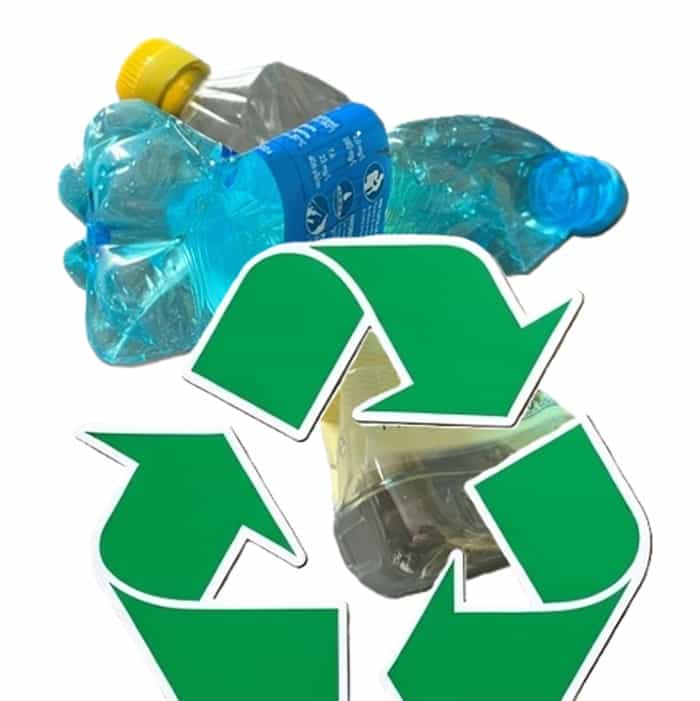
Innovation in sustainable packaging is a core focus for Coca-Cola Vietnam. Since 2022, the company has been among the first in the Vietnamese market to introduce 300ml PET bottles made from 100% recycled plastic (rPET). This initiative significantly reduces the use of virgin plastic while supporting a circular lifecycle for packaging materials.
By incorporating recycled plastic into commercial production, Coca-Cola Vietnam demonstrates how sustainability can be scaled across high-volume consumer products without compromising quality or safety.
Building Community Recycling Habits and Awareness
Beyond product innovation, Coca-Cola Vietnam is investing in long-term solutions that create large-scale behavioral change. The company promotes recycling habits through accessible community activities and nationwide awareness campaigns designed to make recycling simple and engaging for consumers.
In December 2025, Coca-Cola Vietnam received recognition from the Vietnam Record Organization for creating the largest 300ml Coca-Cola packaging art piece made entirely from recycled plastic in Vietnam. The artwork, titled Circular Cycle Towards a Green Future, was created from 100,000 rPET bottles and is displayed at the Coca-Cola Southern Factory in Tay Ninh.
This initiative reinforces the message that small individual actions, such as collecting and recycling a plastic bottle, can collectively contribute to a greener future for Vietnam.
Tetra Pak Advances Sustainable Paper-Based Packaging
Tetra Pak Vietnam is also playing a vital role in advancing sustainable packaging solutions. According to Ms. Nguyen Thanh Thuy, Marketing Director of Tetra Pak Vietnam, the company is partnering with food and beverage businesses to implement Extended Producer Responsibility (EPR) through renewable and recyclable paper-based packaging.
More than 70% of Tetra Pak packaging components are made from paper, with paper straws, caps made from recycled plastic, and protective layers derived from plant-based polymers. These materials facilitate collection and recycling while reducing overall environmental impact.
By investing in sustainable production technologies, businesses can reduce emissions throughout the value chain and contribute meaningfully to Vietnam’s sustainability commitments.
Towards Net-Zero and a National Circular Economy
Associate Professor Dr. Nguyen Dinh Tho, Deputy Director of the Institute of Agricultural and Environmental Policy and Strategy, emphasizes that the beverage industry plays a crucial role in achieving Vietnam’s net-zero emissions target by 2050.
To reach this goal, beverage companies must continue investing in energy-saving technologies, expanding renewable energy use, managing emissions across supply chains, and developing environmentally friendly packaging. Experts agree that with a complete legal framework, improved recycling infrastructure, and advanced domestic technology, the Vietnamese beverage industry can become a leading sector in the national green economy.
Policy, Collaboration, and the Future of Recycling
Promoting plastic packaging recycling requires coordinated efforts between government agencies, businesses, and communities. Many beverage companies are already participating in multilateral cooperation mechanisms that contribute to sustainable plastic management policies and the development of nationwide recycling systems.
The adoption of packaging made from 100% recycled materials marks a significant step forward. By reducing virgin plastic use, extending material lifecycles, and cutting emissions, these initiatives are transforming how products are produced and consumed in Vietnam.
More….