PEF wine bottles -Packamama Abandons Conventional PET as Breakthrough Plant-Based PEF Wine Bottles Ignite a Powerful and More Sustainable Transformation Across Global Wine Packaging Innovation 20-01-2026
PEF wine bottles
A new chapter in sustainable wine packaging
Sustainable wine packaging is entering a decisive new phase as Packamama prepares to trial the wine industry’s first bottles made from polyethylene furanoate, better known as PEF. The packaging company, already recognised for its flat plastic wine bottles, is moving beyond recycled PET to test a newly patented, plant-based polymer that could redefine how wine is packaged and preserved.
For several years, Packamama has relied on recycled PET as the most practical alternative to glass. PET has proven inert when in contact with wine, easy to recycle, and compatible with existing recycling systems. However, the company now believes PEF wine bottles represent a significant technological and environmental leap forward.
Why PET was only a stepping stone
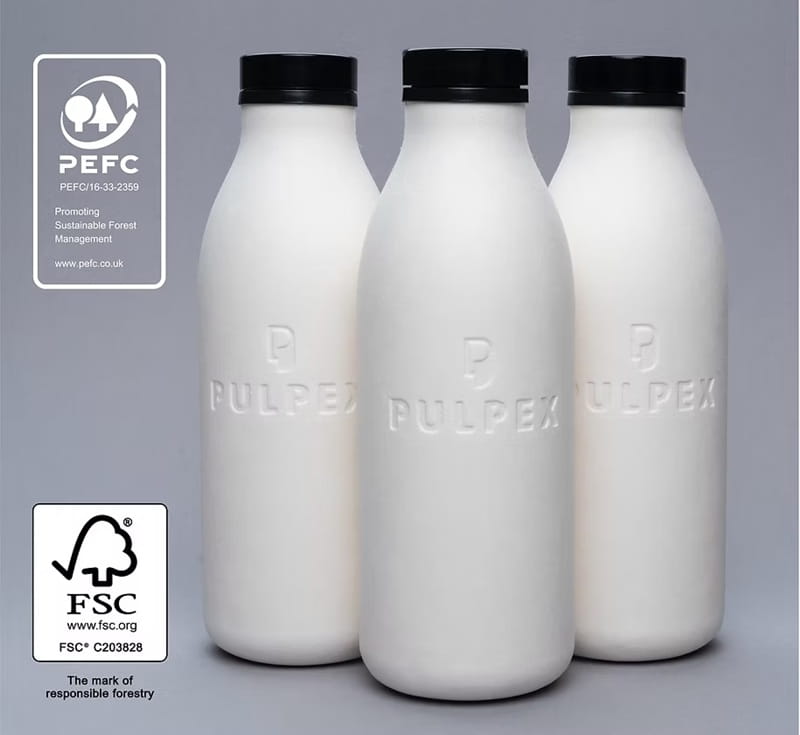
Packamama originally selected recycled PET over materials such as aluminium or paper pulp for sound technical reasons. Wine is a chemically sensitive product, and PET does not react with its contents. By contrast, both aluminium and pulp require plastic liners to function properly, creating mixed-material packaging that is more difficult to recycle and increasingly problematic under tightening packaging and waste regulations.
While recycled PET remains a credible low-carbon solution compared to glass, it still relies on fossil-derived feedstocks. That limitation pushed Packamama to search for a material capable of delivering similar or better performance with a lower environmental footprint.
What makes PEF different
PEF, or polyethylene furanoate, is a next-generation polymer produced from plant sugars rather than oil. Instead of relying on fossil resources formed over millions of years, PEF wine bottles are derived from renewable biomass, provided the feedstock does not compete with food or energy crops.
This plant-based origin gives PEF a clear sustainability advantage. From a life-cycle perspective, PEF has the potential to significantly reduce carbon emissions while maintaining the durability and safety required for beverage packaging.
From a consumer standpoint, PEF wine bottles also benefit from clear and intuitive messaging. Packaging made from plants resonates strongly with buyers seeking more environmentally responsible choices, particularly in premium and sustainability-focused wine segments.
Superior gas barrier performance for wine
One of the most compelling technical advantages of PEF wine bottles is their exceptional gas barrier performance. Oxygen transmission is a critical issue for wine packaging, as excessive oxygen exposure can degrade flavour, aroma, and freshness.
PEF’s molecular structure includes rigid furan rings that limit the movement of polymer chains. This stiffness makes it far more difficult for gas molecules such as oxygen or carbon dioxide to pass through the material. Even when stretched into bottle form, PEF retains this barrier advantage.
In practical terms, PEF wine bottles can keep wine fresher for longer periods compared to standard PET. This is particularly relevant for aromatic, delicate, or lower-sulphur wines where preservation is essential.
A world first for the wine industry
Packamama has secured an exclusive agreement with circular plastics developer Avantium to access future volumes of PEF, marketed under the brand name Releaf. The company aims to produce its first PEF wine bottles within the year, marking a world first for wine packaging.
Before any commercial rollout, the bottles will undergo extensive testing, including real-world storage trials and performance validation beyond laboratory simulations. As no wine brand has previously used PEF at scale, Packamama is taking a cautious but confident approach.
If testing confirms expectations, commercialisation is expected to move quickly. Packamama already collaborates with forward-thinking retailers and producers known for embracing packaging innovation, including major wine societies, international producers, and large retailers.
Long-term innovation requires patience
The development of PEF wine bottles has taken several years. When Packamama first engaged with Avantium, the technology was still at the pre-manufacturing stage. Progressing from pilot facilities to a flagship plant required time, investment, and persistence.
This long-term view reflects Packamama’s broader innovation philosophy. The company actively seeks emerging technologies, even when commercial deployment is years away. Maintaining momentum through each development phase has been critical to reaching the current milestone.
Combining material science with design expertise
By pairing Avantium’s polymer innovation with Packamama’s expertise in lightweight, low-emissions bottle design, the partnership aims to accelerate the adoption of next-generation wine packaging. While PET will remain part of Packamama’s offering, PEF wine bottles will be introduced as a premium, future-focused alternative.
To avoid confusion between similar-sounding materials, Packamama plans to prioritise brand names such as Releaf when communicating with producers and consumers.
Public investment supports decarbonisation
The development of PEF wine bottles has also received significant support from the Australian government, which has invested approximately AU$1 million to accelerate the decarbonisation of wine packaging. This backing highlights growing public sector interest in scalable, low-carbon materials for the food and beverage industry.
For Packamama, PEF meets three essential criteria: high performance, strong sustainability credentials, and compelling consumer communication. The company believes this combination positions PEF wine bottles as a credible alternative not only to PET, but eventually to glass in selected use cases.
A glimpse of the future
As sustainability expectations rise across the wine sector, packaging innovation is becoming a competitive differentiator. PEF wine bottles may not replace PET overnight, but their arrival signals a clear shift toward plant-based polymers designed specifically for premium beverages.
If large-scale trials confirm performance and recyclability at industrial volumes, PEF could play a defining role in the next decade of wine packaging, reshaping both environmental impact and consumer perception.
More…