Petrochemical Pressure Weighs on PET Bottle Grade Price and Filament Grade Margins Across Europe, America, Southeast Asia, and China Today 19-02-2026
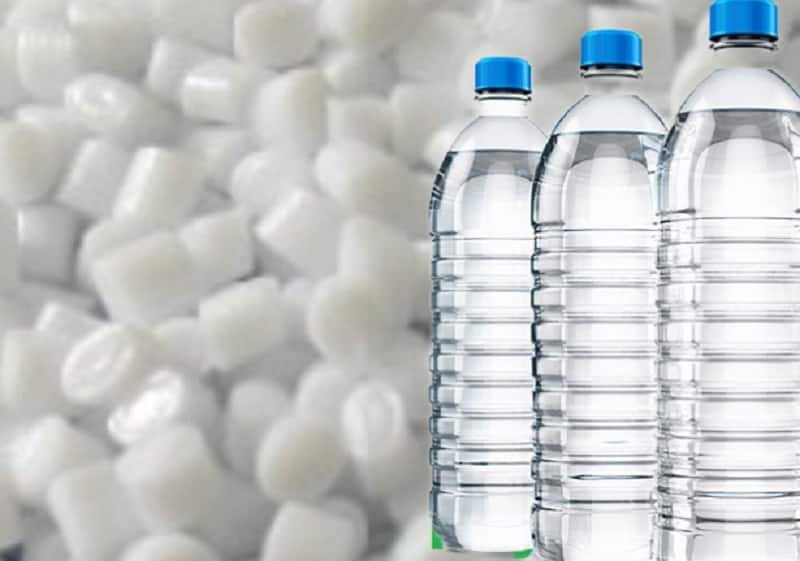
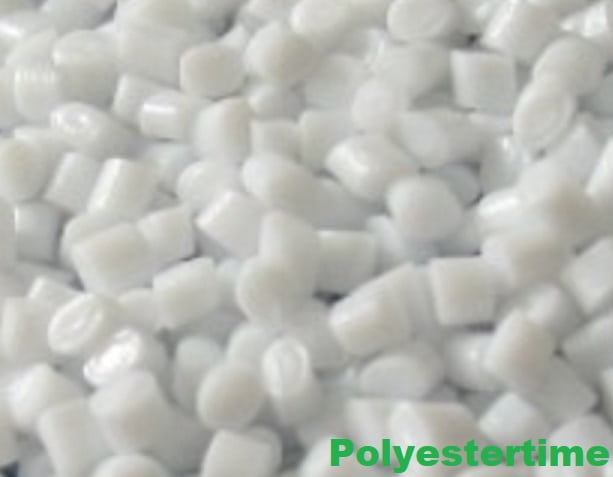
PET bottle grade price remains the central reference point for the global polyester chain this week
On February 19, 2026, market sentiment across Europe, America, Southeast Asia, and China reflects cautious buying, feedstock-linked pricing formulas, and uneven downstream demand. The direction of PTA and MEG, the two core raw materials, continues to define the margin structure for both bottle and filament applications.
China: today’s reference prices in USD
China offers the most transparent daily pricing among the major regions. According to the latest visible domestic spot indications dated February 18, 2026, PET spot prices are assessed around 6,335 RMB per metric ton. Using a reference exchange rate near 6.94 RMB per USD, this converts to approximately 913 USD per metric ton.
For feedstocks, PTA is indicated at 5,168.5 RMB per metric ton, or roughly 745 USD per metric ton. Monoethylene glycol (MEG) is assessed at 3,838.33 RMB per metric ton, equivalent to about 553 USD per metric ton.
These numbers are critical because PET bottle grade price in Asia is typically calculated from PTA plus MEG input costs, conversion margin, logistics, and tax components. When PTA and MEG stabilize, resin pricing often consolidates. When they move sharply, PET bottle grade price adjustments usually follow within days or weeks.
Filament grade economics in China
Filament grade PET, often referenced through fiber chip pricing, is moving within a similar cost envelope. Market commentary in mid-February shows polyester fiber chip indications in the high 5,000s to low 6,000s RMB per metric ton range. Converted to USD, that implies mid-800 USD per metric ton territory.
Although bottle and filament grades serve different downstream sectors, they share upstream feedstock exposure. Therefore, PTA and MEG price movements influence both segments, even if textile demand and beverage packaging demand diverge seasonally.
Southeast Asia: import parity driven by China
In Southeast Asia, PET bottle grade price is heavily influenced by China export economics. Traders and converters typically calculate replacement cost using China FOB levels plus freight, insurance, and import duties.
With China domestic PET near 913 USD per metric ton, Southeast Asia negotiations cluster around import parity levels adjusted for logistics. Buyers in Indonesia, Vietnam, Thailand, and Malaysia are watching Chinese producers closely. If Chinese supply remains ample, PET bottle grade price in Southeast Asia tends to remain capped. If operating rates tighten, the region can experience faster upward corrections.
Filament grade dynamics in Southeast Asia are closely linked to textile production trends in Vietnam and Indonesia. Any slowdown in export garment orders can weigh on fiber demand, indirectly influencing resin flows.
Europe: contract structure dominates pricing
In Europe, PET bottle grade price is commonly set through monthly contract mechanisms tied to feedstock settlements. Unlike China’s visible daily spot numbers, European benchmarks are often published by subscription-based price reporting agencies.
As of mid-February 2026, the market tone in Europe is described as balanced to slightly soft. Beverage demand remains steady but not exceptionally strong. Energy costs, logistics, and recycled PET availability also influence negotiations. Because Europe relies partly on imports, especially during tight periods, Asia arbitrage remains relevant.
Feedstock influence is decisive. If PTA and MEG remain stable or trend lower in Asia, European producers may face pressure to defend margins. Conversely, any sharp rebound in feedstocks could lift the PET bottle grade price environment in the March settlement cycle.
America: stable to soft sentiment
In the United States, PET bottle grade price discussions are similarly influenced by feedstock formulas and domestic supply-demand balance. Recent resin commentary in February indicates a generally stable to slightly softer stance for certain commodity polymers, including PET.
US PET markets are typically influenced by beverage seasonality, hurricane risk later in the year, and feedstock chain dynamics. MEG production economics in North America can diverge from Asia because of ethane-based feedstock advantages. That occasionally decouples local cost structures from Asian benchmarks.
Nevertheless, global trade flows matter. If Asian PET prices weaken significantly, import offers can pressure US domestic negotiations. Conversely, when freight costs rise or trade flows tighten, US producers regain pricing leverage.
PTA and MEG: the structural drivers
PTA, derived from paraxylene, represents the largest mass component in PET production. MEG provides the glycol component necessary for polymerization. Together, they determine the baseline cost structure.
At approximately 745 USD per metric ton for PTA and 553 USD per metric ton for MEG in China, the combined feedstock basket implies a controlled cost environment. Unless crude oil or paraxylene spikes abruptly, the current feedstock configuration suggests limited upward momentum for PET bottle grade price in the immediate term.
For filament grade, textile sector demand must also be considered. If garment exports weaken, polyester yarn producers reduce operating rates, dampening feedstock pull-through. That can indirectly soften overall polyester chain pricing.
Outlook: what buyers and sellers should monitor
First, monitor PTA and MEG daily indications. Small percentage changes in feedstocks can translate into noticeable shifts in PET bottle grade price negotiations.
Second, track operating rates in China. Production discipline or unexpected maintenance can tighten availability quickly.
Third, assess seasonal beverage demand in Europe and America as spring approaches. Bottle demand acceleration can firm regional pricing even if feedstocks remain stable.
Fourth, follow freight rates and trade policies. Import parity remains a key mechanism linking Asia, Southeast Asia, Europe, and America.
From a structural perspective, February 19, 2026 presents a relatively stable cost base anchored by moderate PTA and MEG levels. PET bottle grade price appears contained rather than surging. However, the polyester chain historically reacts quickly to feedstock volatility, so stability today does not guarantee stability tomorrow.
More…