PET Bottle Grade Prices Surge as Oil Exceeds $100: Packaging Costs Rise Globally, Pressuring Supply Chains and Margins Across Europe and Asia Markets
PET Bottle Grade Prices Climb as Oil Markets Tighten
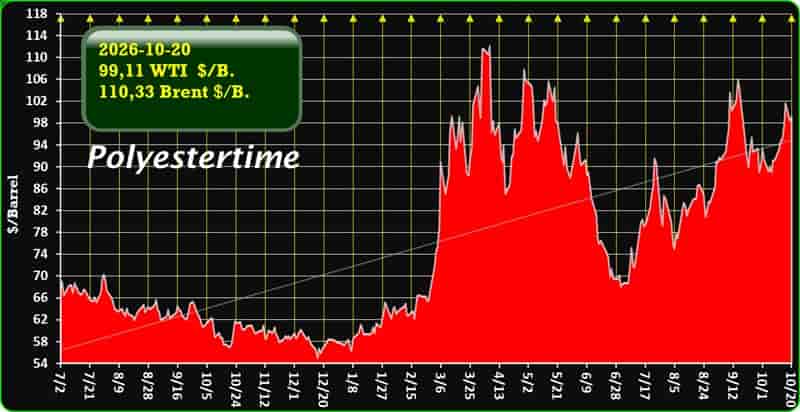
The global PET bottle grade market is experiencing renewed upward pressure in late March 2026, driven primarily by a sharp increase in crude oil prices and ongoing geopolitical disruptions affecting petrochemical supply chains.
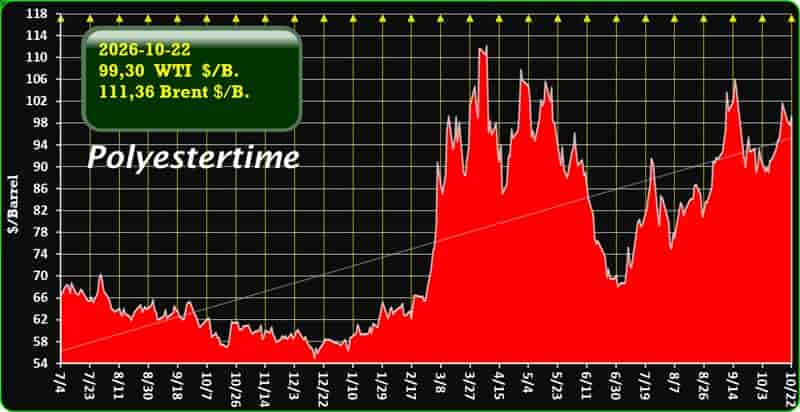
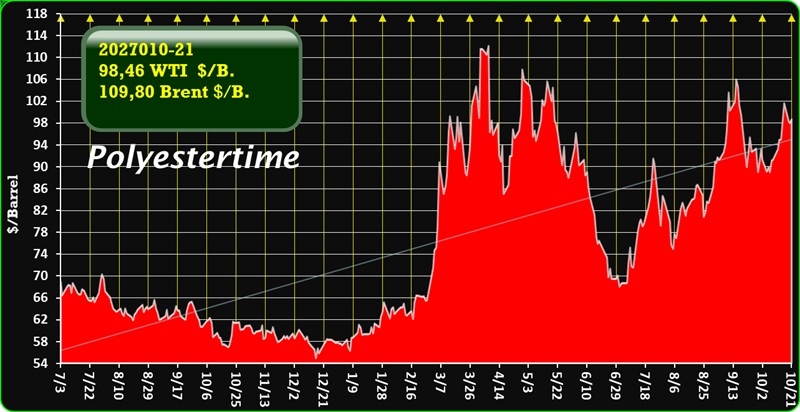
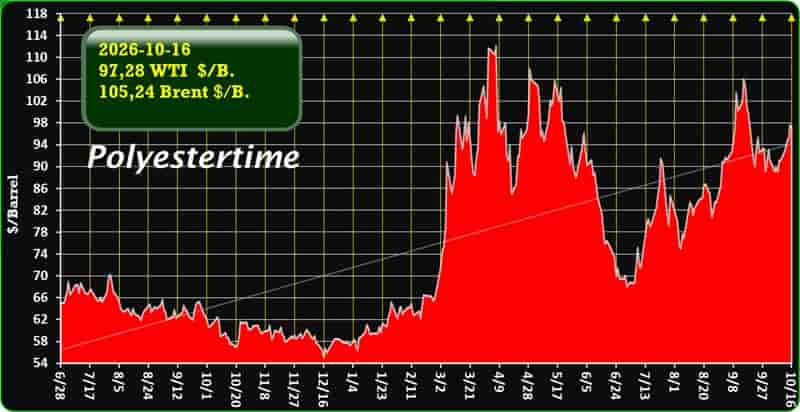
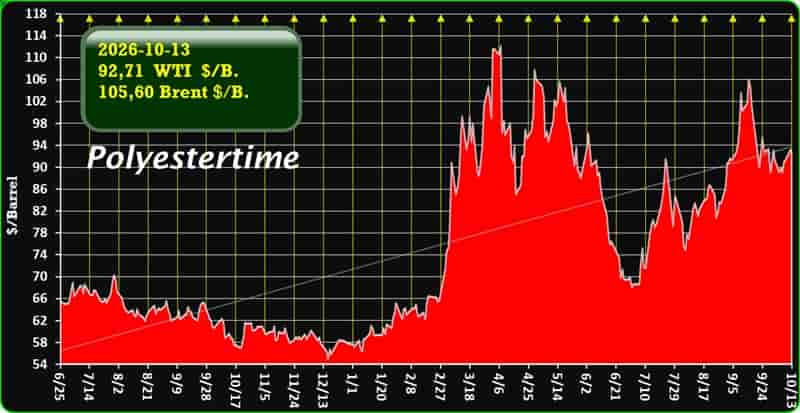
Recent market intelligence confirms that oil prices have remained above $95–100 per barrel, creating a cost shock across the entire polyester value chain—from feedstocks such as PX (paraxylene) and MEG (monoethylene glycol) to finished PET resin.
Latest PET Bottle Grade Prices (March 2026)
The most recent available data (within the last few days) shows a volatile but elevated pricing environment:
| Region | Price (USD/ton) | Trend | Notes |
|---|---|---|---|
| Asia (spot avg.) | ~900–920 USD/ton | ↑ Increasing | Driven by feedstock cost pressure |
| Global average (March) | ~916 USD/ton | ↑ Elevated | Near yearly highs |
| Peak (March 2026) | ~1300–1310 USD/ton | ↑ Spike | Short-term surge due to geopolitical risk |
| Europe (reference range) | ~1050–1105 USD/ton | → Stable to rising | Higher energy cost base |
Additionally, futures markets confirm volatility: PET bottle chip contracts recently moved sharply, with daily fluctuations exceeding 5%, reflecting unstable sentiment.
Why PET Prices Are Increasing
1. Direct Link to Crude Oil
PET is a petrochemical derivative. When oil prices rise, production costs increase almost immediately.
- Crude oil > $100/barrel is pushing up PTA and MEG costs
- These intermediates represent the bulk of PET production cost
- Result: producers pass higher costs downstream
2. Feedstock Supply Constraints
Recent operational slowdowns in refineries and petrochemical plants have tightened supply:
- PX operating rates dropped significantly in Asia
- MEG production also declined due to cost pressure
- Imports are falling below historical averages
This creates a classic cost-push inflation scenario in polymer markets.
3. Geopolitical Tensions
Instability in key regions (especially the Middle East) is amplifying volatility:
- Risk to shipping routes and energy flows
- Supply chain disruptions impacting resin availability PET Bottle Grade Prices
- Sudden price spikes (+$70/ton in a single day reported in February)
4. Market Reactions and Speculation
Short-term speculative movements are intensifying price swings:
- PET reached over $1300/ton briefly in March
- Futures markets show rapid daily fluctuations
- Buyers are increasing precautionary purchasing
Impact on the Packaging Industry
The rise in PET bottle grade prices is already affecting downstream sectors:
Cost Pressure on Manufacturers
- Beverage and FMCG companies face higher packaging costs
- Margins are being compressed, especially in Europe PET Bottle Grade Prices
Supply Chain Adjustments
- Producers are optimizing output and reducing operating rates
- Buyers are securing contracts earlier to hedge volatility
Price Transmission to Consumers
- Potential increases in bottled beverages and packaged food prices
- Particularly relevant for high-volume, low-margin products
As PET is one of the most widely used packaging materials globally, even modest increases translate into significant economic impact.
Market Outlook: Short-Term Bullish, Long-Term Uncertain
Short-Term (Q2 2026)
- Prices likely to remain elevated and volatile
- Oil prices expected to stay above $95/barrel
- Continued geopolitical risk keeps upward pressure intact PET Bottle Grade Prices
Medium-Term
- Possible stabilization if:
- Energy markets normalize
- Feedstock supply improves
- However, structural demand for packaging remains strong
Key Takeaways for Buyers and Industry Stakeholders
- PET bottle grade prices are currently near upper historical ranges
- Oil price movements are the primary market driver
- Volatility is expected to continue in the short term
- Strategic sourcing and supplier diversification are now critical
More…