Oil price volatility intensifies as geopolitical tensions and supply fears push Brent and WTI higher, raising global economic uncertainty and investor caution
Oil Price Trend Analysis – March 27, 2026
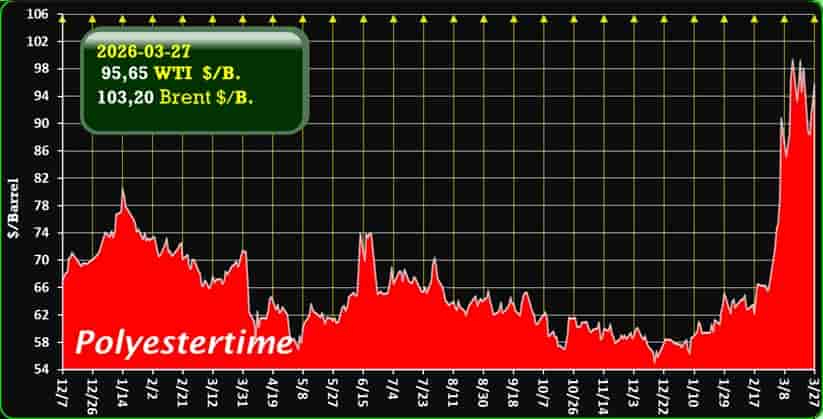
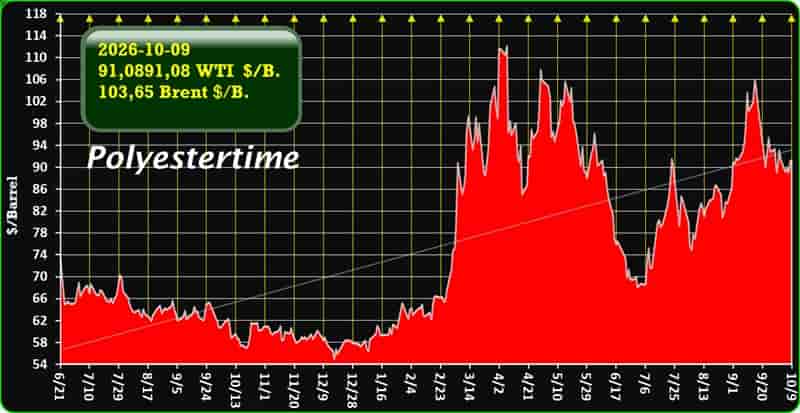
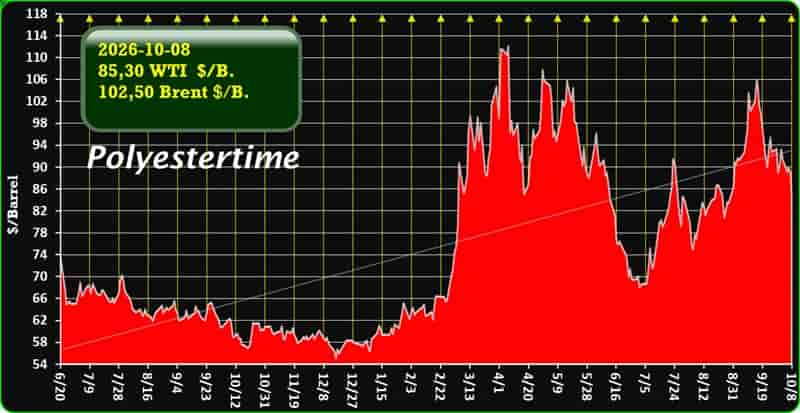
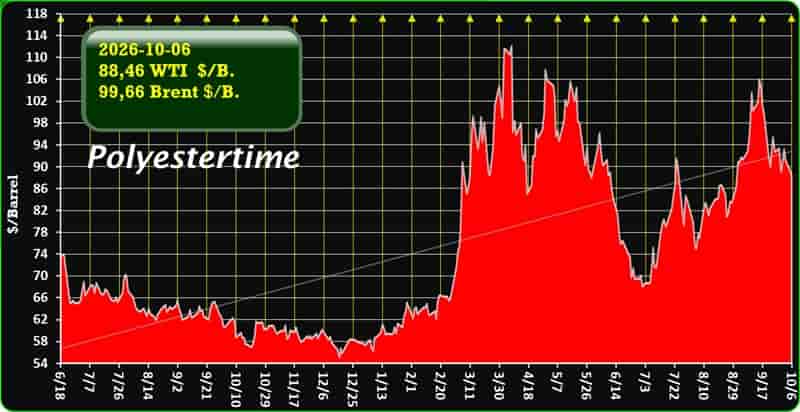
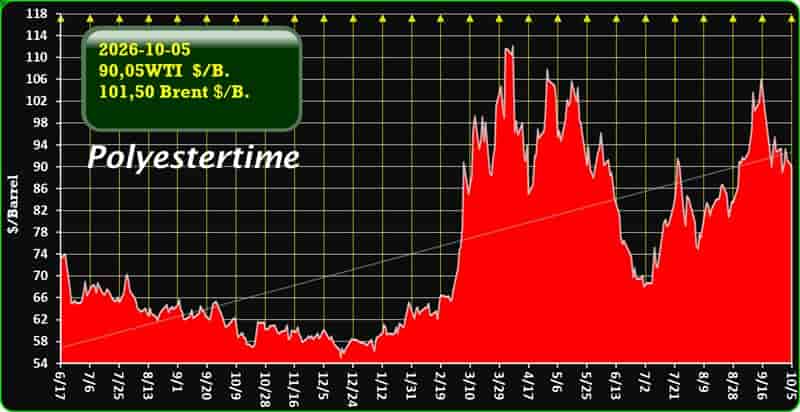
The crude price environment on March 27, 2026, reflects a highly volatile and geopolitically driven market. Brent crude is trading in the $95–105 per barrel range, while WTI remains around $90–100 per barrel, following sharp swings throughout the week. These fluctuations are closely tied to developments in the Middle East, shifting investor sentiment, and ongoing uncertainty around global supply.
Current Oil Price Snapshot
| Benchmark | Price Range (March 27, 2026) | Trend |
|---|---|---|
| Brent Crude | $95 – $105 | Volatile, slightly easing |
| WTI Crude | $90 – $100 | Tracking Brent, moderate decline |
Recent reports indicate Brent hovering near $105 per barrel after a slight decline, triggered by temporary geopolitical de-escalation signals.
Key Drivers Behind Today’s Oil Price Movements
1. Geopolitical Tensions: Iran and the Strait of Hormuz
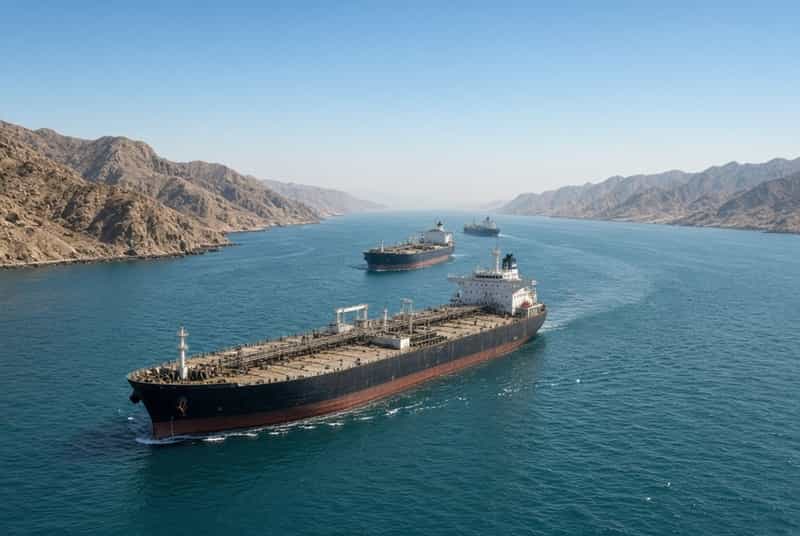
The dominant force shaping the oil price today is the ongoing Iran-related conflict and disruption in the Strait of Hormuz, a chokepoint responsible for roughly 20% of global oil flows.
- Military escalation and infrastructure attacks previously pushed prices above $100
- A temporary pause in U.S. strikes on Iranian energy facilities has slightly eased prices
- However, uncertainty remains high, with markets reacting instantly to political signals
Recent news highlights that oil prices dipped after the U.S. delayed military action, suggesting short-term relief but not structural stability.
2. Supply Disruptions and War Premium
Supply concerns remain deeply embedded in the oil price:
- Damage to energy infrastructure across the Middle East
- Reduced tanker traffic due to security risks
- Ongoing threats to oil facilities and shipping routes
Earlier in March, Brent briefly surged above $120 per barrel during peak supply fears.
This has introduced a persistent “geopolitical risk premium”, estimated at several dollars per barrel, keeping prices elevated even during temporary de-escalation phases.
3. OPEC+ and Global Supply Discipline
While geopolitical risks dominate headlines, OPEC+ production strategy remains a critical underlying factor:
- Continued supply discipline supports higher price floors
- Limited spare capacity adds to market sensitivity
- Any disruption quickly translates into price spikes
OPEC+ has not significantly increased output, reinforcing the tight supply narrative and sustaining the crude price above historical averages.
4. Demand Outlook and Economic Signals
On the demand side, signals are mixed:
- Strong underlying global energy demand
- Concerns about economic slowdown due to high energy costs
- Declining consumer confidence in some regions
For example, weakening consumer sentiment in Europe reflects fears of inflation driven by elevated crude price levels.
This creates a delicate balance:
- Strong demand supports prices
- Economic slowdown risks cap further upside
Investor Sentiment: Between Fear and Opportunism
Investor sentiment remains highly reactive and cautious:
- Markets initially rallied on news of delayed military action
- However, skepticism persists over lasting diplomatic solutions
- Traders are increasingly desensitized to short-term political announcements
Volatility has become the defining characteristic of the oil price, with sharp daily swings driven more by headlines than fundamentals.
Weekly Oil Price Volatility Overview
| Event | Market Reaction |
|---|---|
| Threats to Hormuz closure | Prices surge above $100 |
| Military escalation | Brent spikes near $108+ |
| Delay in strikes | Prices fall 2–10% |
| Ongoing uncertainty | Prices stabilize in $95–105 range |
This pattern highlights a market driven by event risk rather than steady fundamentals.
Short-Term Outlook for Oil Price
In the near term, the oil price is expected to remain volatile but elevated, with three possible scenarios:
Bullish Scenario
- Escalation of conflict or renewed supply disruptions
- Brent could move back toward $110–120 per barrel
Neutral Scenario (Most Likely)
- Continued diplomatic uncertainty with intermittent tensions
- Oil price stabilizes in the $90–105 range
Bearish Scenario
- Clear diplomatic breakthrough and reopening of key supply routes
- Prices could fall below $90
Implications for the Global Economy
The current oil price trend has broad implications:
- Inflation pressure: Higher energy costs feed into global inflation
- Central bank policy: May delay interest rate cuts
- Industrial costs: Increased input costs for manufacturing and transport
- Consumer impact: Reduced spending power and confidence
Emerging markets and energy-importing economies are particularly exposed to sustained high oil price levels.
Final Takeaway
The oil price on March 27, 2026, is defined by geopolitical fragility and market sensitivity. While temporary diplomatic moves have eased prices slightly, the underlying risks remain unresolved.
In the short term, expect continued volatility with an upward bias, as supply risks and geopolitical uncertainty outweigh demand-side concerns. For investors and policymakers alike, the oil price remains a critical barometer of global stability and economic direction.
Oil price volatility shakes global markets as Brent holds near $100 and WTI fluctuates amid geopolitical risks, supply shocks, and fragile investor confidence
More…