PET Film – Portugal’s IMG Group to Invest €30M in Lithuania PET Film Plant IMG Group, a leading Portuguese packaging company, is expanding its European footprint with a significant investment in Klaipėda, Lithuania 06-06-2025
PET Film
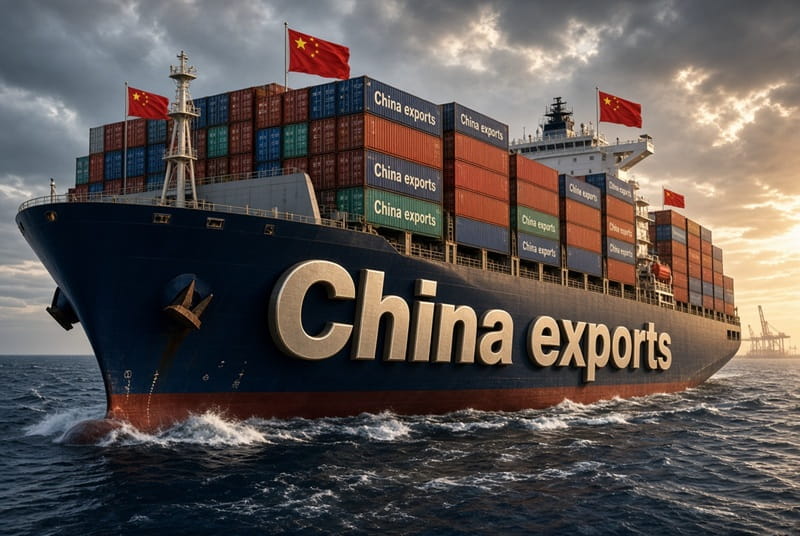
?? China Strikes Again: Another Setback for Donald Trump?
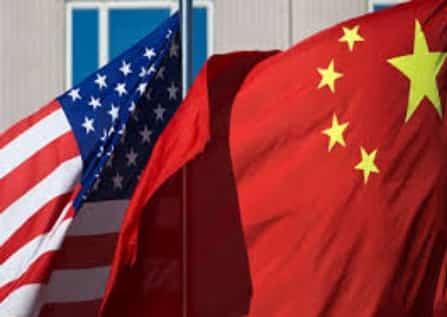
The already fragile relationship between the United States and China just took another hit—this time, striking at the heart of the global supply chain. With Donald Trump under mounting political pressure at home, Beijing’s latest move adds fuel to an already tense fire.
Let’s explore what’s really happening between these two global giants, how it affects international markets, and why this rare earths standoff is more than just another economic squabble. PET Film
? Not About Tariffs—At Least, Not Directly
While past tensions between China and the U.S. have often revolved around tariffs, this latest clash goes deeper. The focus is now on rare earth elements—critical materials used in everything from electric vehicles to smartphones.
Although not the direct cause of the current escalation, tariffs and trade restrictions have weakened the global manufacturing framework, setting the stage for this latest crisis. With production lines already strained, even small disruptions can ripple through the system in powerful ways.
? China Tightens Export Controls
China has taken a firm stance by imposing stricter regulations on the export of rare earths. PET Film
This move comes as part of a broader strategy to exert control over one of the world’s most strategic resource markets. The consequences could be far-reaching.
Of the many export requests received recently, only 25% have been approved. This isn’t simply red tape or inefficiency—it’s a calculated maneuver. By controlling rare earth exports, China is effectively holding a key part of the global tech and manufacturing industries hostage.
? Factory Slowdowns on the Horizon
With limited access to critical materials, major production facilities across the globe face potential shutdowns. The supply chain, already weakened by years of trade tension and pandemic-related disruptions, is approaching a breaking point.
Entire industries may soon be forced to pause operations, especially sectors reliant on advanced technologies. Automakers, electronics manufacturers, and renewable energy firms could all feel the pinch. PET Film
? Automotive Industry at Risk
The timing couldn’t be worse for the automotive sector. Many manufacturers are preparing to launch new electric vehicles, all of which depend heavily on rare earths for batteries and motors.
If the export bottleneck persists, delays in production are likely. In a worst-case scenario, some models could be pulled entirely from release schedules, creating economic shockwaves and consumer frustration worldwide.
? A Global Chain Reaction
Make no mistake—this is more than just a U.S.-China issue. The limitations on rare earth exports could evolve into a full-blown global crisis. Without these materials, the pace of innovation and sustainability efforts around the world will grind to a halt.
From smartphones to satellites, countless technologies depend on rare earths. As the world races toward digital transformation and clean energy, China’s grip on this vital sector could reshape geopolitical power balances. PET Film
? What’s Next?
For Donald Trump, the challenge is twofold: managing internal political battles while confronting rising international pressure. For China, this strategic play highlights its awareness of its growing influence in critical industries.
As the standoff continues, businesses and governments alike must brace for uncertainty—and begin considering long-term solutions that reduce reliance on a single nation for essential materials.
Stay tuned—this rare earths showdown may only be the beginning of a much larger economic and geopolitical chess match. PET Film
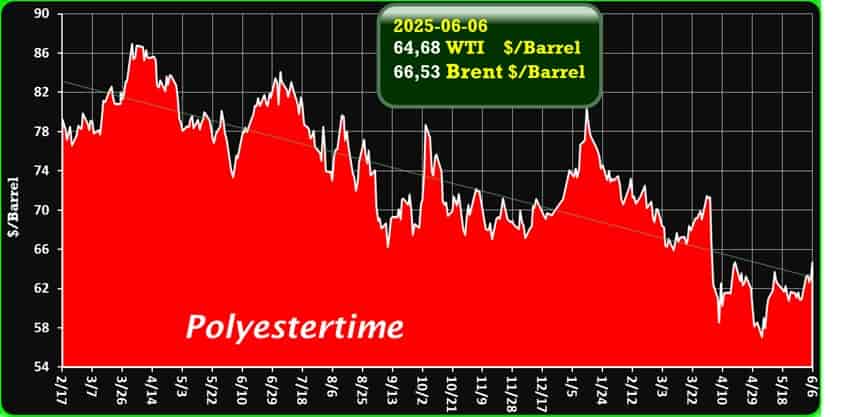
Crude Oil Prices Trend
Index:
Key Developments in Plastics, Recycling, and Sustainability
- Erema Redefines Plastics Recycling for K 2025
Erema introduces “Edvanced Recycling” to expand the scope of advanced recycling solutions. Three innovative machines—TwinPro, Agglorema, and Intarema TVEplus—will be unveiled at K 2025, spotlighting efficient processing of multilayer films and high-performance pellet production.
- Indonesia’s $6–7B EV Battery Ecosystem Launches June 2025
Indonesia will kick off a massive electric vehicle battery supply chain project this June, spanning mining to manufacturing. With Huayou Cobalt replacing LGES, the initiative aligns with Indonesia’s vision of becoming a global midstream production powerhouse amid soaring EV demand.
- Portugal’s IMG Group to Build €30M PET Film Plant in Lithuania
Evertis, a subsidiary of IMG Group, is investing €30M in a PET film facility in Klaipėda FEZ. The plant will produce films with up to 50% recycled content and 100% recyclability, backed by €25M from the EBRD—advancing Europe’s circular economy goals and reducing plastic waste.
- U.S. Tariff Clarity Could Revive Chemical & Plastics Demand
Dow CEO Jim Fitterling sees clearer U.S. trade policy as a catalyst for revitalizing stalled investments. Polyethylene exports remain stable, and industry leaders hope for a policy breakthrough by July to unlock global demand, especially in China, which relies on U.S. chemical inputs.
- SIBUR Sets Bold 2029 Sustainability Targets
SIBUR targets 400,000 tonnes of sustainable products annually by 2029 and plans to recycle 600,000 tonnes of plastic. The company will invest in chemical recycling technologies and carbon-neutral plants, strengthening its ESG leadership in Russia’s petrochemical industry.
- Nylon Filament Market Rebounds Amid Tariff Relief
A temporary U.S.-China tariff suspension and rising raw material costs have sparked cautious optimism in the nylon filament market. While transaction volumes are rising, weak demand, high inventory, and liquidity issues continue to suppress aggressive restocking from fabric mills.
♻️ Erema Redefines Advanced Plastics Recycling Ahead of K 2025
As K 2025 approaches, Austrian recycling machinery giant Erema is taking bold steps to reshape the future of plastics recycling. With 40 years of innovation under its belt, the company is set to debut three powerful new machines and introduce a fresh industry narrative under the banner of “Edvanced Recycling.”
What Is Edvanced Recycling?
The term “advanced plastics recycling” is often tied to chemical recycling, but Erema believes it should encompass all solutions that push the recycling industry forward. That belief is at the heart of their new campaign, “Edvanced Recycling – Erema Prime Solutions for Advanced Recycling.” PET Film
Unveiled at a press conference on June 3 at Erema’s headquarters in Ansfelden, Austria, the campaign aims to inspire and empower recyclers, even during challenging financial times. Erema’s marketing head, Gerold Breuer, emphasized the initiative’s goal: to create a more sustainable and positive momentum in the sector. “Yes, it’s spelled with an ‘E’,” he noted, “because Edvanced symbolizes Erema’s essential role in shaping the future of plastics recycling.”
Three Machines Making Their Debut at K 2025
As part of its year-long campaign, Erema will showcase three groundbreaking technologies this October in Düsseldorf:
- TwinPro
- Agglorema
- Intarema TVEplus 2021 (updated version) PET Film
Spotlight on TwinPro
The TwinPro system represents a significant technological leap for processing multilayer films, such as PE-PA and PE-EVOH, into high-quality pellets. This is achieved by coupling Erema’s Preconditioning Unit (PCU) directly to a twin-screw extruder, enabling an efficient homogenization process across two stages.
The PCU takes the lead by shredding, heating, drying, compacting, and buffering materials—even low-density film waste. Thanks to Erema’s proprietary Counter Current technology, the extruder receives a consistent, pre-processed feed, improving the overall quality of the recycled output.
Versatility Meets Performance
Designed with flexibility in mind, TwinPro accepts input with bulk densities ranging from 30 to 800 g/L. It eliminates the need for agglomeration or stuffing units and is ideal for tough applications—like recycling thin-walled polypropylene packaging (e.g., yogurt cups)—that often trip up conventional systems. PET Film PET Film
By ensuring thorough mixing of diverse polymers and removing residual moisture, the system creates pellets ready for closed-loop applications. The result? Higher performance recyclates with better mechanical properties.
A Bold Vision for a Circular Future
Erema’s Edvanced Recycling campaign signals a renewed commitment to pushing boundaries and empowering customers. As the industry gathers for K 2025 in Düsseldorf, all eyes will be on Erema’s stand—where the future of plastics recycling is taking shape, one innovation at a time. PET Film
Stay tuned for more insights as we get closer to the show, and explore how advanced machinery like TwinPro is helping turn plastic waste into valuable resources.
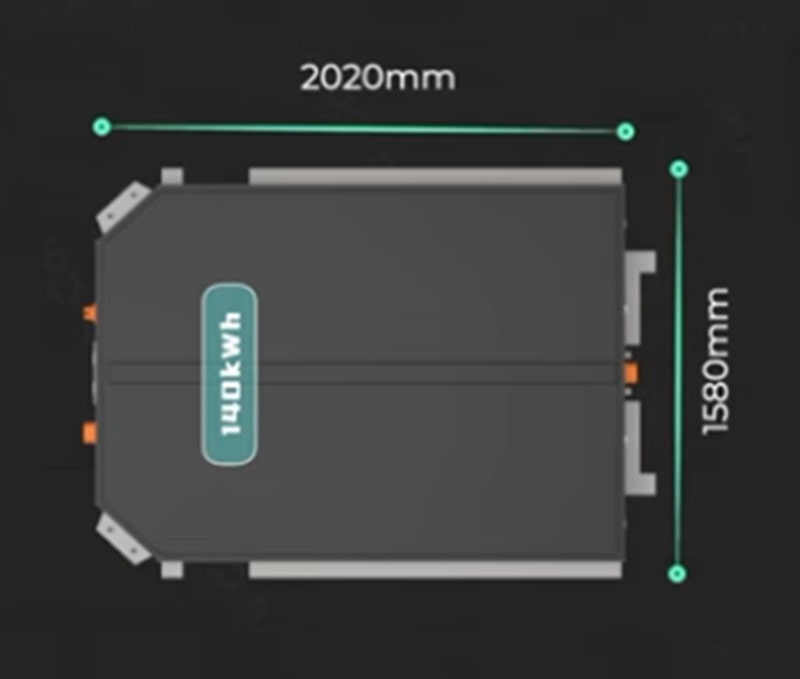
? Indonesia to Launch $6-7 Billion Electric Vehicle Battery Ecosystem in June
Indonesia is set to break ground this June on a groundbreaking project: the development of a fully integrated electric vehicle (EV) battery ecosystem valued between $6 billion and $7 billion. The initiative will cover the entire EV battery supply chain—from nickel mining to battery cell manufacturing, according to Energy and Mineral Resources Minister Bahlil Lahadalia.
A Strategic Hub for Midstream Production
While some European countries have advocated for battery cell plants to be built near automotive hubs, Indonesia sees an opportunity to become the core of the midstream production process. This includes key components like precursors and cathodes.
“The benefit can’t all go overseas while Indonesia bears the costs. The nickel downstream ecosystem and industrial infrastructure are already in place here,” Bahlil emphasized during a press statement on 3 June. PET Film
He believes this approach will create a “win-win” scenario, balancing both global demand and national development goals.
LGES Out, Huayou Cobalt In
Earlier this year, South Korea’s LG Energy Solution (LGES) withdrew from an integrated EV battery project in the country. While initial reports cited unfavorable market conditions, Minister Bahlil later revealed that the Indonesian government itself requested LGES’s exit due to project delays.
“The truth is that I was the chairman of the task force at that time, then decided to cancel what LG did because it took too long,” Bahlil explained.
Taking LGES’s place is Chinese industry heavyweight Huayou Cobalt, a leading producer of cobalt and nickel-cobalt-manganese precursors. PET Film
This strategic pivot is expected to keep the project on track and aligned with Indonesia’s industrial priorities.
Rapid Growth in EV Adoption
Indonesia’s EV market is experiencing explosive growth. According to the International Energy Agency (IEA), battery electric vehicle registrations skyrocketed to 49.2 million units in 2024, up from just 17 million units the year before.
Electric cars now make up 7% of total vehicle sales, more than triple the share from 2023. Much of this surge is driven by affordable Chinese electric car imports, whose share of the Indonesian market soared from 11% in 2023 to 68% in 2024.
International Partnerships Strengthen the Ecosystem
To further cement its position in the global EV landscape, Indonesia is building strong international alliances. French nickel mining giant Eramet recently signed a preliminary agreement with Indonesia’s sovereign wealth funds, Danantara and the Indonesia Investment Authority. The goal: to develop a sustainable and integrated EV battery raw materials industry. PET Film
Indonesia’s Bold Step Forward
By building a fully integrated EV battery ecosystem, Indonesia is taking a bold leap toward becoming a global hub for green mobility. With rich nickel reserves, government backing, and international interest, the nation is poised to shape the future of electric transportation—starting this June.
?? Portugal’s IMG Group to Invest €30M in Lithuania PET Film Plant
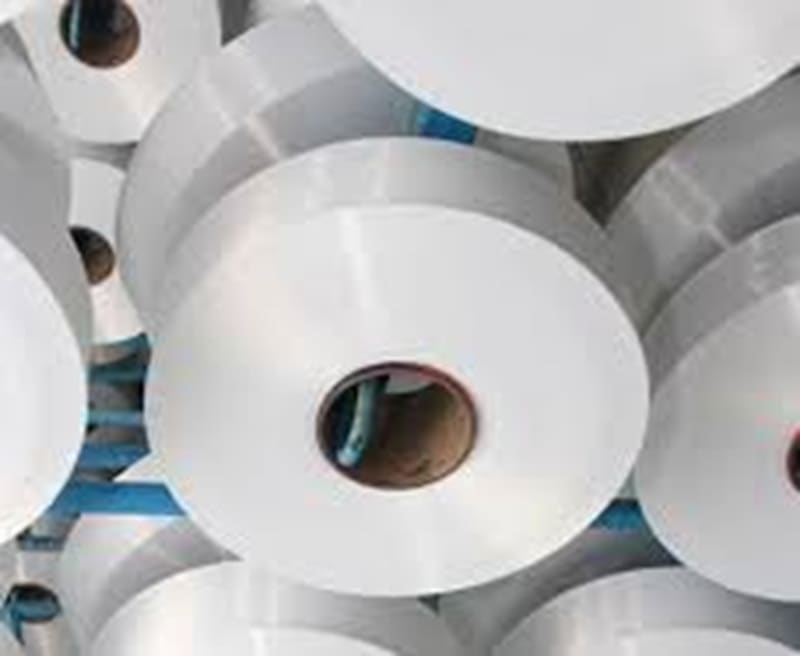
IMG Group, a leading Portuguese packaging company, is expanding its European footprint with a significant investment in Klaipėda, Lithuania. Through its subsidiary Evertis, the group will build a new PET film production facility within the Klaipėda Free Economic Zone (FEZ).
Investment and Financial Backing
The total investment in the project amounts to €30 million. A major portion—€25 million—is being financed by the European Bank for Reconstruction and Development (EBRD), according to an official announcement on the EBRD website. This financial boost reflects confidence in the project’s sustainability and economic value. PET Film
Sustainability at the Core
The new production plant will manufacture PET (polyethylene terephthalate) film that contains up to 50% recycled content. This is twice the European Union’s minimum requirement of 25% recycled material, setting a new benchmark in the industry.
All films produced will also be 100% recyclable, supporting circular economy goals and reducing environmental impact. According to Evertis, the project is expected to:
- Prevent up to 13,000 tons of plastic waste annually
- Cut greenhouse gas emissions by approximately 29,000 tons per year
Strategic Location: Klaipėda FEZ
Establishing the facility in the Klaipėda FEZ offers significant strategic advantages. The area is already home to major players in the PET industry, including Orion Global PET, a subsidiary of Thailand’s Indorama Ventures. These existing synergies will allow Evertis to integrate efficiently into the local supply chain, optimize production processes, and reduce logistical costs. PET Film
Global Expansion Continues
This move comes on the heels of another major project by Evertis in the United States. The company previously announced plans to build a USD 100 million PET film plant in South Carolina. These investments indicate a clear strategy to scale up production capacity while aligning with global sustainability trends.
Why This Matters
As demand for eco-friendly packaging materials continues to rise, investments like this highlight the growing role of sustainable manufacturing in Europe. For Lithuania, it means more jobs, increased foreign investment, and a stronger presence in the green industrial sector. PET Film
The Evertis project is not just a manufacturing upgrade—it’s a meaningful step toward a more sustainable and circular plastic economy in Europe.
? U.S. Tariff Clarity Could Spark Growth in Chemical and Plastics Demand
Clearer guidance on U.S. tariffs may unleash a wave of pent-up demand in the chemical and plastics sectors, according to Dow CEO Jim Fitterling. Speaking at the American Chemistry Council (ACC) Annual Meeting, Fitterling highlighted the role that tariff uncertainty has played in delaying projects and investment decisions across the industry.
Uncertainty Has Stalled Investments
Many companies have hit the brakes on new initiatives due to the unpredictable trade environment. While Dow is equipped with an experienced international trade operations team to navigate these complexities, even they have seen a drop in customer demand volumes, Fitterling noted. PET Film
“The uncertainty around tariffs has created hesitation. Businesses are holding back capital expenditures and supply agreements until there’s more predictability,” he said.
Potential July Turning Point
A temporary 90-day suspension on increased U.S. retaliatory duties began on April 9, and there’s hope that greater clarity may emerge by July. However, Fitterling cautioned that resolution may take even longer, depending on the outcome of ongoing trade negotiations.
Polyethylene (PE) Exports Holding Steady
Despite concerns over trade disruptions, Dow’s U.S. exports of polyethylene (PE) are performing better than expected. “Everyone anticipated a major disruption in April, but exports have held up quite well,” said Fitterling. PET Film
Interestingly, China has not imposed tariffs on imported plastic materials or raw ethane—key inputs for its manufacturing sector. This decision underscores China’s continued dependence on these materials for both domestic use and re-exported products.
?? China’s Demand for U.S. Chemicals Remains Strong
On April 24, an unofficial Chinese list identified 131 U.S. goods worth $46 billion—about 28% of total U.S. imports to China—including PE, other chemicals, and ethane. Despite this, Chinese buyers are actively engaging with U.S. suppliers.
“Some Chinese polyethylene importers have even asked to reinstate previously canceled orders for June deliveries,” Fitterling revealed.
This trend reflects the strategic importance of U.S. chemical exports to China’s manufacturing infrastructure. “They rely on these imports to sustain production and fulfill export commitments. That’s why they haven’t applied tariffs here—it’s simply logical,” he added. PET Film
What It Means for the Industry
As trade talks evolve and the July timeline approaches, the chemical and plastics industries are watching closely. A resolution could unlock delayed investments, stabilize supply chains, and boost export activity, especially in strategic markets like China.
Dow’s ability to adapt and continue exporting successfully amid global uncertainty offers a blueprint for resilience. Still, Fitterling emphasized that long-term clarity on tariffs will be the key driver of renewed industry growth.
✅Key Takeaways
- Tariff uncertainty has delayed industry investments and reduced demand.
- Dow’s trade team has helped maintain export flows, especially for PE.
- China has excluded plastics and ethane from tariff lists to support its manufacturing base.
- A clearer U.S. trade policy by July could reignite stalled demand and drive sector-wide growth. PET Film

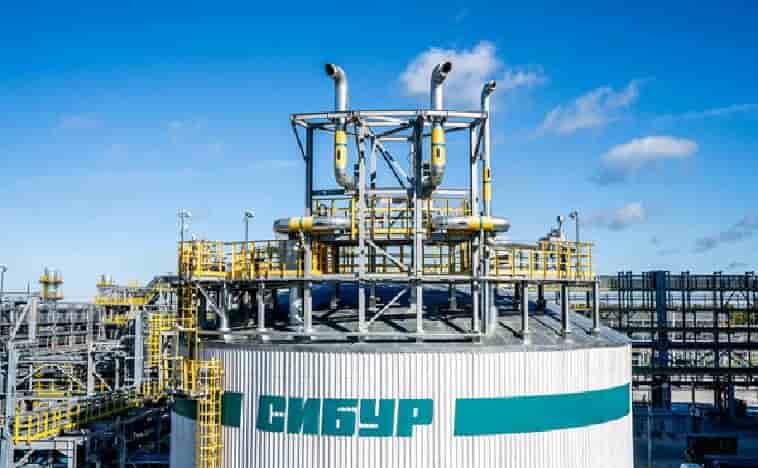
SIBUR Sets Ambitious Sustainability Targets for 2029
SIBUR, Russia’s largest petrochemical company, has unveiled its updated sustainability strategy aimed at significantly increasing its output of low-carbon products and expanding plastic waste recycling efforts by the end of the decade.
♻️ 400,000 Tonnes of Low-Carbon Products by 2029
By 2029, SIBUR aims to produce 400,000 tonnes of sustainable products annually. These products will contain either recycled content or bio-based materials. This goal reflects a major step up from 2024, when the company produced 287,000 tonnes—already surpassing its previous target of 250,000 tonnes per year. PET Film
“We have become Russia’s first company to integrate a financial target into our ESG strategy, focusing on revenue growth from sustainable product sales,” said Nadezhda Galaktionova, Head of Sustainability and Climate Solutions at SIBUR.
600,000 Tonnes of Recycled Plastic by 2030
As part of its roadmap, SIBUR plans to recycle 600,000 tonnes of plastic waste cumulatively from 2025 to 2029. This will be achieved through in-house projects and external partnerships.
During its previous strategy period, the company processed 138,000 tonnes of polymer waste—111,000 tonnes of which were recycled in 2024 alone, exceeding the annual goal of 100,000 tonnes.
Innovation in Chemical Recycling
SIBUR is also investing in scalable chemical recycling technologies such as pyrolysis to handle mixed plastic waste more efficiently. This will enable the transformation of hard-to-recycle materials into valuable resources, further closing the loop in the plastics economy. PET Film
Two Plants to Achieve Carbon Neutrality
By 2029, the company plans for two of its production facilities to reach carbon neutrality. This will be accomplished through a combination of energy efficiency upgrades, increased use of green electricity, and carbon credit allocations. Notably, SIBUR-PETF has already achieved this milestone, becoming the first carbon-neutral plant in Russia.
Doubling Green Electricity Use & Cutting Emissions
To support these goals, SIBUR intends to at least double the share of green electricity in its energy mix compared to 2024 levels. Additionally, it aims to reduce greenhouse gas emissions per tonne of product by 10% across all facilities operating at the end of 2024. PET Film
SIBUR’s strategy signals a strong commitment to circularity, innovation, and low-carbon growth—positioning the company as a leader in sustainable manufacturing in Russia and beyond.
? Nylon Filament Market Sees Uptick Amid Tariff Relief and Rising Costs
The nylon filament market has shown signs of revival following recent economic developments. On May 12, the joint statement from the China-US economic and trade talks in Geneva announced a temporary easing of tariffs. The United States agreed to suspend the 24% ad valorem tariff on Chinese goods for 90 days, while maintaining a 10% tariff. The prior executive order from April 8–9, which imposed additional duties, was also canceled. As a result, the total tariff burden on related Chinese goods dropped significantly—from 145% to just 30%. PET Film
Market Sentiment Improves, But Buying Lags
The news initially boosted confidence, but downstream fabric factories remained cautious. Without a clear uptick in orders, they were reluctant to increase purchases of nylon filament. However, within days, benzene prices surged by over 600 yuan/mt, driving up CPL prices as well. Sellers of Nylon 6 HS chips became reluctant to offer discounts, pushing transaction prices up by 200–400 yuan/mt—some reaching increases of 600 yuan/mt.
Combined with the positive tariff news, the raw material price hike gradually encouraged fabric factories to resume inquiries and purchases. As a result, the nylon filament transaction volume improved after a prolonged slowdown. PET Film
Sales Activity Picks Up—Cautiously
From the afternoon of May 12, some filament factories began receiving more orders. However, prices remained near previous lows, as many fabric factories continued to negotiate aggressively. On May 13 and 14, buying activity increased, especially for low-cost options. Sellers of filaments with low processing fees cautiously raised prices by 100–300 yuan/mt—especially on popular specs like dull FDY 40D/7F. Despite this, only a small volume of goods changed hands after the price hike.
Inventory Levels Drop, But Resistance to Price Hikes Remains
Filament factories reported various degrees of inventory reduction. The most successful factories cleared inventory for 7–12 days’ worth of production, while others made minimal progress. Overall inventory levels in the industry remained medium to high. Though market transactions improved, there was significant resistance to further filament price increases. PET Film
Why Fabric Factories Are Still Cautious
1. Lack of New Orders
Despite tariff reductions, fabric mills have not seen a meaningful rise in new orders. Most of the current activity is centered around fulfilling earlier backlogged shipments. Moreover, the domestic market is entering the seasonal off-peak period.
2. High Finished Goods Inventory
Fabric factories have accumulated large inventories since early this year. Some markets, like the Wujiang water-jet sector, even saw inventory growth during the traditional peak season, limiting appetite for raw materials. PET Film
3. Liquidity Constraints
With high inventories tying up capital, and the slow season approaching, many factories are experiencing cash flow issues, limiting their ability to restock raw materials.
4. Ample Nylon Supply
New production capacity has led to an oversupply of low-cost nylon filament, reducing urgency for fabric factories to make purchases, even at favorable prices.
Outlook: Cautious Optimism
While the market has improved thanks to lower tariffs and rising raw material costs, the rebound in nylon filament transactions remains moderate. A significant boost in sales will depend on whether fabric factories receive new orders. PET Film
If raw material costs continue to rise, it could further drive filament demand—but the final outcome hinges on end-market recovery.