PET Recycling – BASF’s Chemetall to Power PET Recycling at Circular Plastics Company’s New Vietnam Facility Driving Sustainability in Southeast Asia 13-08-2025
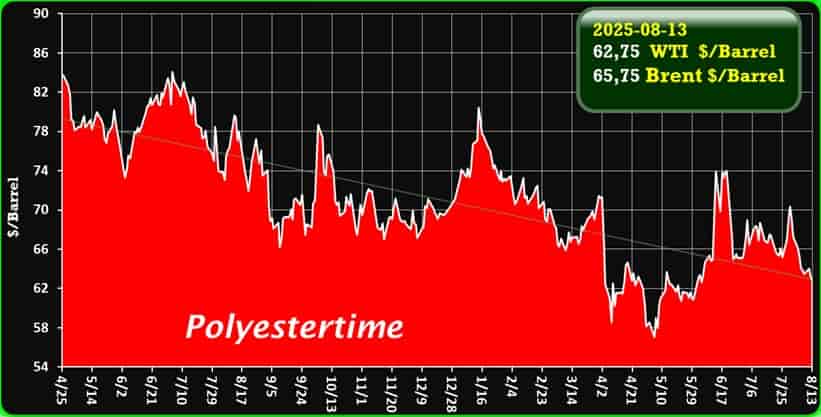
Crude Oil Prices Trend
♻️ BASF’s Chemetall to Power PET Recycling at Circular Plastics Company’s New Vietnam Facility
? Driving Sustainability in Southeast Asia
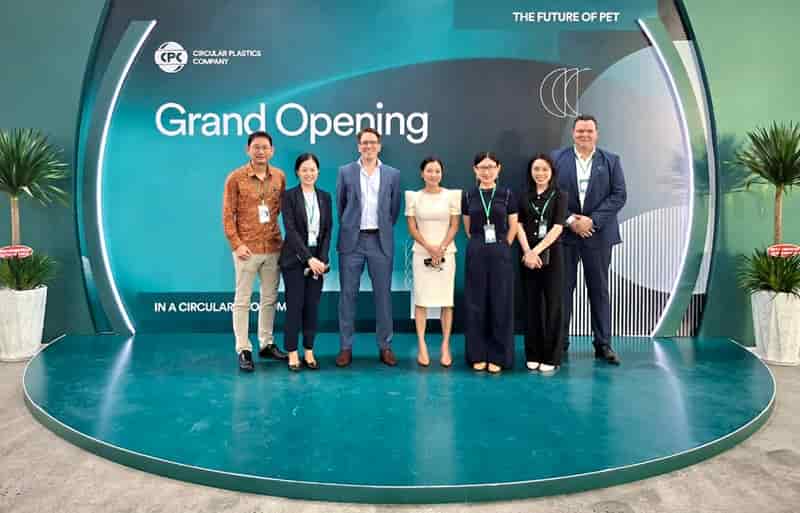
The Surface Treatment global business unit of BASF’s Coatings division — known worldwide under the Chemetall brand — has been chosen to deliver cutting-edge PET recycling solutions for Circular Plastics Company’s (CPC) newest plant in Vung Tau, Vietnam. PET Recycling
This strategic collaboration is a significant step in the global movement toward a circular plastics economy, ensuring post-consumer PET is transformed into high-quality, food-grade products for reuse.
? Innovative Technology for Cleaner, Safer Recycling
Chemetall’s contribution to the CPC plant includes an advanced portfolio of chemical and process technologies designed to improve efficiency, output quality, and environmental performance. These solutions include:
- Gardoclean® — specialized cleaning agents that remove stubborn contaminants from PET flakes.
- Gardobond® — additives for separating PET from polyolefins, enhancing material purity. PET Recycling
- Defoaming technologies — minimizing foam in washing systems to improve process stability.
These innovations help increase flake quality, boost productivity, and reduce energy and resource consumption, making them a win for both business performance and environmental responsibility.
? From Waste to Food-Grade Quality
By using Chemetall’s solutions, CPC can produce washed PET flakes that comply with international food contact standards. This capability enables the safe reuse of recycled plastic in packaging, beverages, and other consumer applications — closing the loop on plastic life cycles.
? Voices from the Partnership
“We are excited that our successful collaboration with Circular Plastics Company continues to strengthen, extending from Myanmar to Vietnam. As the plastics recycling industry evolves in Southeast Asia, Chemetall is dedicated to growing alongside our customers by offering differentiated PET and plastics recycling solutions and expertise that enhance quality, drive efficiency, and support the positive development of a circular economy.”
“At CPC, we are committed to producing the highest-quality food-grade rPET, and Chemetall has been an exceptional partner in helping us achieve that goal. Their advanced wash chemistry not only enhances the purity and performance of our recycled materials but also aligns perfectly with our values of innovation and environmental responsibility. We’re proud to work with a global leader like Chemetall whose solutions are as forward-thinking as our vision for circularity in Asia.”
? Market Context: Southeast Asia’s Growing rPET Demand PET Recycling
Southeast Asia’s emerging economies are seeing a sharp increase in demand for recycled plastics, driven by sustainability commitments from global brands, stricter waste regulations, and growing consumer awareness. Vietnam, with its expanding manufacturing base, is rapidly becoming a key hub for plastic recycling innovation.
The CPC–Chemetall partnership demonstrates how technical innovation and strategic collaboration can address the region’s recycling challenges while supporting the transition to a sustainable economy.
? Why This Matters for the Circular Economy
This initiative goes beyond simply improving recycling efficiency. It supports the three key pillars of a circular plastics economy:
- Closing the loop — enabling PET to be continuously reused in high-value applications. PET Recycling
- Resource efficiency — reducing energy and water consumption during recycling.
- Product safety — ensuring recycled plastics meet stringent food-grade standards.
⚙️ Technical Advantages of Chemetall’s Solutions
Chemetall’s washing chemistry is not just about cleaning — it’s about process optimization:
- ? Improved water circulation to minimize waste.
- ⚡ Lower energy use through efficient separation and cleaning steps.
- ? Consistent product quality to meet the demands of food and beverage companies.
- ♻️ Compatibility with various recycling lines, allowing easy integration.
? Business Impact and Sustainability Outcomes
For CPC, these innovations mean:
- Higher yield from post-consumer PET feedstock.
- Greater marketability of rPET products.
- Reduced operational costs over time. PET Recycling
- Alignment with ESG goals and international recycling benchmarks.
? Looking Ahead
With the Vung Tau plant operational, both companies are set to continue their joint mission of driving plastics circularity in Asia. The partnership is a model for how chemistry innovation, operational excellence, and sustainability can combine to create long-term value for the planet and industry alike.
? Key Takeaways
- BASF’s Chemetall is supplying advanced PET recycling solutions to CPC’s new Vietnam plant.
- The partnership builds on previous work together in Myanmar.
- Technologies like Gardoclean® and Gardobond® improve efficiency, quality, and sustainability.
- The initiative supports Southeast Asia’s growing demand for high-quality rPET.
- Both companies share a commitment to advancing the circular plastics economy. PET Recycling
? Celanese & Li Auto Unveil World’s First Ultra-Low Emission POM for Air Vents
In a groundbreaking step for the automotive industry, Celanese Corporation, a leader in specialty materials and chemicals, has partnered with Li Auto to launch Hostaform® POM XAP®3 — the world’s first ultra-low emission polyoxymethylene (POM) used in vehicle cabin components. ?
This cutting-edge material, now featured in Li Auto vehicle air vents, is designed to significantly enhance in-cabin air quality, especially in new energy and electric vehicles. The partnership was officially celebrated at a launch ceremony, highlighting the companies’ shared commitment to material innovation and passenger comfort. PET Recycling
Core achievement: Hostaform® POM XAP®3 can reduce formaldehyde emissions by up to 90% compared to mainstream industry materials under standard testing conditions.
Why This Matters for Drivers and Passengers ?️
Cabin air quality has become a key factor for consumers when choosing vehicles. Prolonged exposure to harmful emissions inside cars can affect comfort, health, and overall driving experience. By using Hostaform® POM XAP®3 in air outlets, Li Auto vehicles can achieve near-zero formaldehyde emissions during normal driving.
When paired with advanced in-cabin air purification systems, this technology delivers cleaner, safer, and fresher air — a major win for families, commuters, and anyone spending extended time in a vehicle. PET Recycling
? Emission Reduction at a Glance
- Material type: Third-generation copolymerized POM
- Innovation: Celanese Functional Unified Synergy Enhancement (FUSE) technology
- Emission performance: Up to 90% less formaldehyde
- Target area: Air vents and other cabin components
? The Science Behind Hostaform® POM XAP®3
Celanese first introduced low-emission POM back in 1998, becoming the first company in the world to commercialize copolymerized POM. Over the decades, research and innovation have resulted in successive improvements, leading to this latest third-generation version. PET Recycling
The secret lies in Celanese’s proprietary FUSE technology, which allows for ultra-low emissions without compromising mechanical strength, durability, or manufacturing versatility. In other words, carmakers get the same performance benefits while dramatically improving passenger safety and comfort.
What Li Auto Brings to the Table ?
Li Auto is known for pushing boundaries in smart, electrified vehicle design. By being the first automaker to adopt this ultra-low emission material, Li Auto reinforces its brand positioning around innovation, safety, and eco-conscious mobility.
“Better cabin air quality represents one of the essential experiences in innovative smart vehicles,”
— Litao Chen, Head of Cabin Department, Li Auto
Beyond air vents, the company plans to explore other applications for Hostaform® POM XAP®3, including dashboard components, interior trims, and potentially even exterior elements where low emissions and high durability intersect. PET Recycling
? Partnership Vision: What’s Next
Both Celanese and Li Auto see this as the first step in a broader innovation roadmap. Future collaborations are likely to target:
- Vehicle interiors — more low-emission materials in touchpoints and trims
- Exteriors — lightweight, durable, and sustainable materials
- Electric drive systems — efficiency-focused engineering plastics
- Performance optimization — balancing comfort, durability, and environmental impact
The ultimate goal? To combine Celanese’s engineering material expertise with Li Auto’s smart vehicle technology to lead the way in high-quality, sustainable mobility for China’s booming new energy vehicle (NEV) market. PET Recycling
? Sustainability and Market Impact
In China and globally, governments and consumers are placing increased emphasis on vehicle interior health standards. Regulations are tightening, and buyer expectations are evolving. This move by Celanese and Li Auto positions them ahead of the curve, potentially influencing broader industry adoption of ultra-low emission materials.
For the growing NEV sector, innovations like Hostaform® POM XAP®3 help differentiate brands in an increasingly competitive market — especially when health, comfort, and sustainability become top purchase drivers.
? Quick Facts for Media & Researchers PET Recycling
- Launch date: 2025
- Companies involved: Celanese Corporation & Li Auto
- Product: Hostaform® POM XAP®3
- Main benefit: Up to 90% less formaldehyde emissions
- Applications: Air vents, future cabin/exterior components
- Technology: FUSE (Functional Unified Synergy Enhancement)
SEO Tip: This breakthrough aligns with key search trends such as “ultra-low emission materials,” “EV interior air quality,” “low-formaldehyde plastics,” and “smart vehicle comfort technology.”
? Key Takeaways
- Celanese & Li Auto have jointly introduced the world’s first ultra-low emission POM for vehicle cabin components. PET Recycling
- Hostaform® POM XAP®3 reduces formaldehyde emissions by up to 90% compared to current industry standards.
- First application: air vents in Li Auto vehicles.
- Aligns with growing consumer demand for better in-cabin air quality.
- Sets the stage for broader use in future NEV designs.
? Glencore Completes Acquisition of Li-Cycle Holdings Corp. Assets
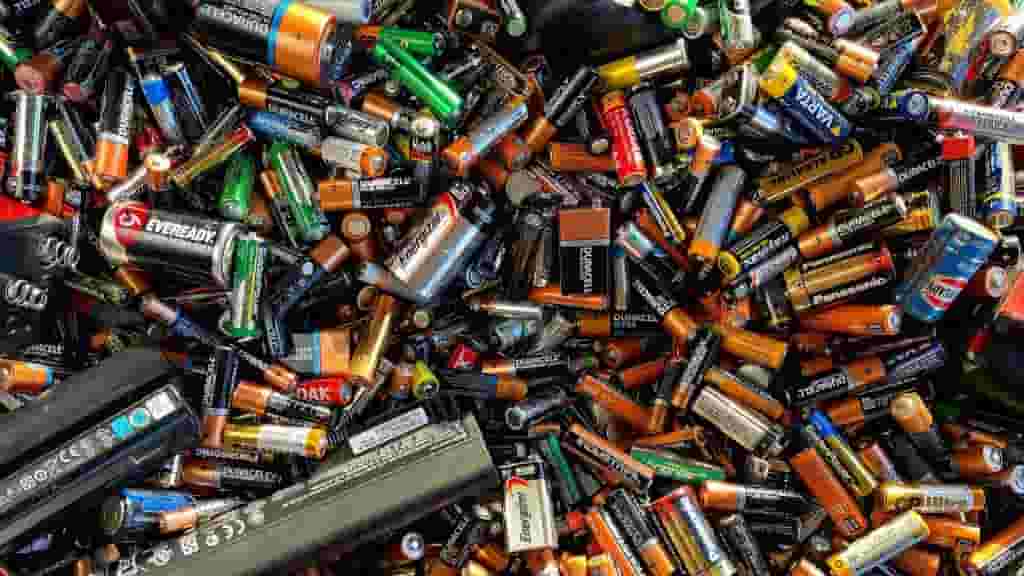
Glencore Canada Corporation (“Glencore”) has officially completed its acquisition of key subsidiaries and assets of Li-Cycle Holdings Corp. (“Li-Cycle” or “the Issuer”), marking a significant step in the company’s global battery recycling and commodity production strategy.
Key takeaway: Glencore now owns Li-Cycle’s North American and European facilities, a major battery recycling hub project, and a valuable portfolio of intellectual property — all acquired through a strategic credit bid. PET Recycling
? What the Acquisition Includes
Under the equity and asset purchase agreement (EAPA) signed on May 14, 2025 (and later amended), Glencore has acquired:
- ?? U.S. “Spoke” facilities in Arizona, Alabama, and New York
- ?? Canadian “Spoke” facility in Ontario
- ?? European “Spoke” facility in Germany
- ? The Rochester Hub Project — a large-scale lithium-ion battery recycling plant
- ? A full portfolio of intellectual property relating to battery recycling processes
This transaction was completed via a credit bid and assumption of certain debt obligations, providing Glencore with an efficient entry into Li-Cycle’s operational infrastructure.
⚖️ Legal and Court Approvals PET Recycling
The acquisition followed a court-approved sale and investment solicitation process initiated by Li-Cycle under the Companies’ Creditors Arrangement Act (CCAA) in Canada.
Key legal milestones included:
- August 1, 2025: Ontario Superior Court of Justice (Commercial List) approves the transaction.
- August 5, 2025: U.S. Bankruptcy Court for the Southern District of New York recognizes the Canadian court order under Chapter 15 of the U.S. Bankruptcy Code.
These rulings authorized the execution of the EAPA and finalized Glencore’s credit bid.
? Glencore’s Convertible Notes Position PET Recycling
Glencore also provided an update on its investment in unsecured convertible notes issued by Li-Cycle. As of August 7, 2025, Glencore holds:
- Principal amount: US$327,405,516.54
- If converted in full: 74,587,088 common shares (approx. 62.6% ownership on a partially diluted basis)
This calculation includes 7,423 common shares held by nominee Kunal Sinha for the benefit of Glencore and related entities.
Previously, on May 16, 2025, Glencore had disclosed a higher potential conversion rate (up to 84,404,412 shares or 66.7% ownership) based on earlier interest accrual figures.
? Amended Early Warning Report
To comply with Canadian securities regulations, Glencore Ltd. will file an Amended Early Warning Report (EWR) under National Instrument 62-103 – The Early Warning System and Related Take-Over Bid and Insider Reporting Issues. PET Recycling
The amended report will be available on SEDAR+ under Li-Cycle’s profile and will update previously disclosed information from May 2025.
? About Glencore
Glencore is one of the world’s largest diversified natural resource companies and a leading producer and marketer of over 60 commodities essential for modern life.
Key facts about Glencore:
- ? Operations in over 30 countries PET Recycling
- ?♂️ Workforce of approximately 150,000 employees and contractors
- ? Supported by a global network of 50+ offices
- ? Customers include industries such as automotive, steel, power generation, battery manufacturing, and oil
Glencore engages in production, processing, recycling, sourcing, marketing, and distribution of commodities that support both decarbonization efforts and today’s energy demands.
? Commitments and Sustainability
Glencore is an active member of:
- Voluntary Principles on Security and Human Rights
- International Council on Mining and Metals
- Extractive Industries Transparency Initiative PET Recycling
The company supports the Paris Agreement goals and is implementing a 2024–2026 Climate Action Transition Plan, available on its official website.
? Strategic Impact of the Li-Cycle Acquisition
This acquisition strengthens Glencore’s position in the battery recycling market — a critical sector for meeting global clean energy and electric vehicle demands.
With control over Li-Cycle’s advanced recycling facilities and proprietary technology, Glencore can:
- Expand supply of recovered battery materials PET Recycling
- Reduce environmental impact by promoting circular economy practices
- Secure a stable source of high-demand metals like lithium, cobalt, and nickel
- Enhance strategic partnerships with automakers and battery manufacturers
? Contact Information
For further information or to request a copy of the amended early warning report:
- Website: glencore.com
- Li-Cycle CCAA Proceedings: View Court Monitor Site
? Dow Cancels Plans for Europe’s Largest Chemical Recycling Plant in Böhlen
Böhlen, Germany – In a move that marks a significant shift in Europe’s recycling ambitions, Dow has officially abandoned plans to build what was projected to be the continent’s largest chemical recycling plant. PET Recycling
Originally intended for its Böhlen site in eastern Germany, the facility was to be developed in partnership with Mura Technology and have a processing capacity of 120,000 tons of plastic waste per year.
This decision comes on the heels of Dow’s earlier announcement to permanently close its steam cracker at the Böhlen complex in 2027. The cracker — a crucial link in the recycling plant’s operational chain — has been offline since July due to a technical failure. Without it, the economic viability of the recycling facility was brought into question.
? Why Dow Pulled the Plug
The cancelled project wasn’t just a local investment—it was designed as a flagship model for Europe’s transition toward a circular plastics economy. The Böhlen plant would have produced a sustainable substitute for naphtha, used as feedstock in steam crackers to create the building blocks for new plastics. PET Recycling
However, with the cracker’s closure, Dow faced a chain reaction:
- ⚙️ Operational dependency – The recycling plant’s outputs were intended to feed directly into the cracker.
- ? Economic challenges – Without the cracker, feedstock demand would disappear, undermining profitability.
- ⏳ Timing setbacks – The cracker’s downtime since July further complicated planning and investment schedules.
Dow’s official stance: “We are exploring other opportunities with Mura to expand our recycling supply portfolio in Europe.”
♻️ Mura’s Advanced Recycling Technology PET Recycling
Mura Technology has developed a supercritical steam process capable of breaking down hard-to-recycle plastics, including flexible packaging and multi-layer films. This process converts them back into valuable chemical building blocks, such as synthetic oils, which can be reintroduced into the plastics production chain.
Key aspects of Mura’s technology:
- ? Operates under supercritical water conditions for efficient breakdown.
- ? Handles plastics that traditional mechanical recycling struggles with.
- ? Produces high-quality feedstock for new plastic production.
Initially, Dow and Mura targeted a final investment decision in 2023, with operations beginning in 2025. The Böhlen site was meant to serve as a proof of scale for further expansion across Europe and the United States. PET Recycling
? Dow & Mura’s Long-Term Vision
The Böhlen project was a cornerstone of Dow and Mura’s joint goal to achieve 600,000 tons of chemical recycling capacity in Europe and the U.S. by 2030. More broadly, Dow aims to recycle one million tons of plastic annually by 2030.
While the flagship plant is now off the table, Dow remains committed to its sustainability roadmap:
- Partnering with global innovators in advanced recycling. PET Recycling
- Expanding chemical recycling projects in other regions.
- Investing in new material science solutions for circularity.
According to a company spokesperson, “Dow’s investments and partnerships in innovative advanced recycling businesses align with our long-term strategy for sustainability and growth.”
? Industry Impact & Strategic Shifts
Dow’s decision reflects a broader industry challenge: balancing technological ambition with market realities. Chemical recycling technology is promising, but its commercial success depends heavily on stable infrastructure, feedstock availability, and supportive policy environments. PET Recycling
With the European Union tightening regulations on plastic waste and pushing for higher recycling rates, projects like Böhlen are seen as key to meeting climate and waste reduction targets. However, without local integration—like the now-cancelled steam cracker—economics can falter.
? Key Takeaways for the Plastics & Recycling Industry
- ? Even high-profile sustainability projects can face cancellation due to infrastructure dependencies.
- ? Economic viability is as critical as environmental impact.
- ⚡ Advanced recycling remains central to long-term strategies, but diversification of sites and technologies may be necessary.
? What’s Next for Dow & Mura?
While Böhlen’s fate is sealed, Dow and Mura are actively evaluating alternative European sites and partnership models to keep chemical recycling capacity growing. Their collaboration remains an essential part of the global shift toward closed-loop plastics systems. PET Recycling
Industry watchers expect announcements in the coming years on:
- ? New project locations with integrated infrastructure.
- ? Potential retrofits of existing Dow sites for chemical recycling.
- ? Policy-driven opportunities from the EU’s Green Deal initiatives
? Related Topics for Further Reading PET Recycling
- How Supercritical Steam is Transforming Recycling
- Chemical vs Mechanical Recycling: Key Differences
- EU Circular Economy Action Plan Explained

? Nippon Shokubai’s Indonesian Subsidiary Breaks Ground on New Superabsorbent Polymer Plant
Date: August 13, 2025 | Location: Cilegon, Indonesia
? Why This Expansion Matters
SAP is a core business for Nippon Shokubai and is essential in products like disposable diapers. With steady growth in global demand, the company has strategically expanded production across Japan, the U.S., Europe, China, and Indonesia.
This new investment focuses on the Asian market, where demand is rising rapidly. The expansion leverages NSI’s existing acrylic acid (AA) production — the raw material for SAP — ensuring cost efficiency and faster scale-up.
? Global SAP Production Capacity – Before & After
As of August 2025: 710,000 MT/year PET Recycling
Projected by July 2027: 760,000 MT/year
Once the Cilegon plant is complete, Nippon Shokubai will solidify its position as one of the world’s leading suppliers of SAP.
? Key Investment Details
- Production Capacity Increase: +50,000 MT/year (from 90,000 to 140,000 MT/year)
- Mechanical Completion: January 2027
- Commercial Operation: July 2027
- Location: Existing NSI plant site, Cilegon
- Investment Amount: Approx. USD 110 million
? About PT. Nippon Shokubai Indonesia
Founded in August 1996, NSI operates in Cilegon, Banten Province as both head office and manufacturing plant. The company specializes in the manufacture and sale of acrylic acid, acrylates, and SAP. PET Recycling
- President Director: Hirobumi Mihono
- Capital: USD 120 million (99.9% owned by Nippon Shokubai)
- Employees: 449 (as of March 31, 2025)
- Website: shokubai.co.id
? Strategic Importance
The expansion reflects three strategic priorities:
- Market Responsiveness: Meeting Asia’s growing SAP demand.
- Supply Chain Strength: Leveraging existing AA production for efficiency.
- Global Leadership: Reinforcing position among top SAP producers worldwide.
? Related Updates
? Final Word
With the groundbreaking of the new Cilegon SAP plant, Nippon Shokubai is making a strong statement: it is committed to innovation, market leadership, and meeting the everyday needs of millions through advanced materials.

⚠ South Korea’s Ethylene Crisis: Yeochun NCC Faces Bankruptcy
Date: August 2025
? The Immediate Threat: $216 Million Deadline
According to The Korea Herald and industry insiders, Yeochun NCC must raise more than USD 216 million by August 21 to avoid default. Without this funding, the company risks halting operations and potentially triggering a chain reaction across the petrochemical sector.
YNCC produces approximately 2.3 million tons of ethylene annually, a key raw material in plastics, packaging, automotive parts, and countless other manufactured goods.
? The Global Context: China’s Petrochemical Boom
The crisis is not purely domestic. The root cause lies in global overproduction of ethylene, driven largely by China’s aggressive petrochemical expansion. In recent years, Chinese producers have rapidly scaled capacity, flooding the global market and driving down prices.
Fact: Analysts estimate that since 2020, China’s ethylene capacity has grown by more than 40%, making it the dominant global supplier.
? Years of Losses
For Yeochun NCC, the effects have been devastating:
- 2022: Net loss of 347.7 billion KRW
- 2023: Net loss of 240.2 billion KRW
- 2024: Net loss of 236 billion KRW
These sustained losses have eroded financial reserves and made refinancing more difficult, especially amid rising global interest rates. PET Recycling
? Industry-Wide Struggles
YNCC is not alone in facing severe headwinds:
- LG Chem has shut down multiple styrene production lines.
- Lotte Chemical suspended production of ethylene glycol and ethylene oxide in late 2024.
The situation reflects a broader downturn in South Korea’s petrochemical sector, which has been hit hard by overcapacity, weak demand growth, and high energy costs.
? Expert Predictions: Global Closures Looming
Research firm Wood Mackenzie projects that as of 2023, nearly 24% of ethylene plants outside China are at risk of closure due to unprofitability. This includes facilities in Asia, Europe, and North America.
? YNCC’s Operations and Recent Investments PET Recycling
Despite the financial challenges, YNCC has invested in new capacity. In 2021, the company commissioned a butadiene plant in Yeosu with an annual capacity of 130,000 tons.
At its Yeosu site, YNCC operates three major naphtha crackers:
- Cracker 1: 857,000 tons/year ethylene capacity
- Cracker 2: 578,000 tons/year ethylene capacity
- Cracker 3: 465,000 tons/year ethylene capacity
? Industry Calls for Government Action
South Korea’s private sector is urging the government to take swift measures to prevent a collapse. Key proposals include:
- Lowering industrial electricity rates ⚡ PET Recycling
- Increased financing for R&D to develop higher-value petrochemical products ?
- Temporary subsidies to maintain critical production capacity ?
? What’s at Stake?
The petrochemical industry is one of South Korea’s core manufacturing pillars, supplying materials for automotive, electronics, packaging, textiles, and construction. A wave of plant closures could lead to:
- Loss of thousands of jobs ?♂️
- Reduced export revenues ?
- Economic decline in key industrial regions ?
Source: Industry reports, The Korea Herald, Wood Mackenzie PET Recycling