This content has been archived. It may no longer be relevant
Plastic pollution

Plastic pollution
A new study published in *ACS Sustainable Chemistry & Engineering* has shown that Eastman Aventa™ compostable materials, specifically cellulose diacetate (CDA)-based foams, rapidly biodegrade in marine environments, offering a promising solution to the global plastic pollution crisis
Conducted by scientists from the Woods Hole Oceanographic Institution (WHOI), a leading nonprofit in ocean research, the study reveals that CDA-based foams lost up to 70% of their mass within 36 weeks when incubated in seawater, while conventional polystyrene foams used in food packaging showed no signs of degradation. This discovery highlights Aventa materials as an eco-friendly alternative to traditional plastics, which often accumulate as persistent waste in oceans.
Eastman’s Aventa materials are designed as biodegradable, compostable alternatives to petroleum-based plastics, specifically engineered to minimize environmental impact in applications like food packaging, straws, and disposable cutlery. Plastic pollution
Aventa is made from cellulose derived from sustainably sourced wood pulp, which provides a renewable and circular lifecycle, from a sustainable production process to a compostable end. According to Jeff Carbeck, Eastman’s vice president of corporate innovation, the development of Aventa materials responds to a critical need for alternatives to traditional plastic foams, which frequently end up as pollution due to limited recycling options and long-lasting durability.
The study goes beyond testing biodegradability, offering a comprehensive analysis of the economic, environmental, and social benefits of switching from conventional polystyrene to CDA-based foams. Plastic pollution
Polystyrene, commonly used in food packaging, is non-biodegradable, difficult to recycle, and often improperly disposed of, resulting in significant pollution in marine environments. Calculations within the study, which consider annual consumption rates and the social costs associated with pollution, suggest that a transition to CDA-based foams could save society over $1 billion annually. These savings come from reduced environmental cleanup costs, lower pollution impact on marine ecosystems, and the reduction of health and environmental risks associated with plastic waste.
Traditional plastics, including polystyrene, pose numerous environmental challenges, particularly in terms of end-of-life management. Plastic pollution
They degrade extremely slowly, often persisting for decades or even centuries, and are widely dispersed across ecosystems, harming wildlife and ecosystems. Aventa foams, in contrast, are designed to break down in marine settings, making them unlikely to accumulate in oceans and waterways. WHOI’s findings indicate that CDA-based foams offer comparable performance to traditional plastic foams while providing a solution to end-of-life issues.
The study’s systems-level approach highlights the importance of assessing not only material performance but also the broader environmental and economic impacts of plastic alternatives. By taking a holistic view, the researchers aim to avoid what they term “problem-shifting”—in which the introduction of one solution inadvertently creates new environmental issues. Plastic pollution
For instance, a material might be recyclable on land but still persist in marine environments, leading to a similar or even greater pollution challenge. WHOI’s research advocates for selecting materials that biodegrade in multiple contexts, including marine environments, to ensure that environmental impact is minimized.
The biodegradability of Aventa materials in ocean conditions suggests a feasible pathway for reducing single-use plastic waste in commonly disposed items. The study specifically mentions the utility of Aventa in food packaging applications, where disposable trays, containers, and other items are often improperly managed and end up in oceans. Such products represent a substantial portion of plastic pollution in marine environments, where they persist and fragment into microplastics, causing harm to marine life. Biodegradable alternatives like Aventa present a way to alleviate this burden by breaking down more completely and safely in marine conditions. Plastic pollution
Aventa materials also offer versatility beyond food packaging. Their compostability and biodegradability make them suitable for a range of single-use items such as disposable straws, utensils, and other consumer goods that are frequently discarded after use. This flexibility is a significant advantage, as single-use items are among the most common contributors to plastic waste globally.
Eastman’s development of Aventa as a scalable, compostable solution for single-use plastics could therefore have a broad impact on the way plastics are used and disposed of across industries, particularly as environmental regulations and consumer demand increasingly call for sustainable materials. Plastic pollution
In the broader context of sustainable materials, Aventa aligns with the circular economy approach, which emphasizes designing products with a full lifecycle in mind, from production to disposal. By creating products that biodegrade in both terrestrial and marine environments, Eastman aims to reduce the risk of pollution across ecosystems. This shift toward circularity is increasingly seen as essential in the battle against plastic pollution, as it encourages the development of materials that not only serve their intended function but also minimize environmental impact when their use ends. Plastic pollution
In summary, the research underscores Aventa’s potential as a biodegradable and compostable alternative to conventional plastics. Its ability to degrade in marine environments offers a critical solution to the persistent issue of plastic pollution, especially in ocean ecosystems. By reducing the reliance on traditional plastic foams in food packaging and other single-use applications, Eastman’s Aventa could play a pivotal role in advancing sustainable materials that meet both consumer needs and environmental priorities. The findings advocate for broader adoption of biodegradable materials like Aventa, reflecting a shift in how industries approach product design and environmental responsibility in response to the global plastic waste crisis.

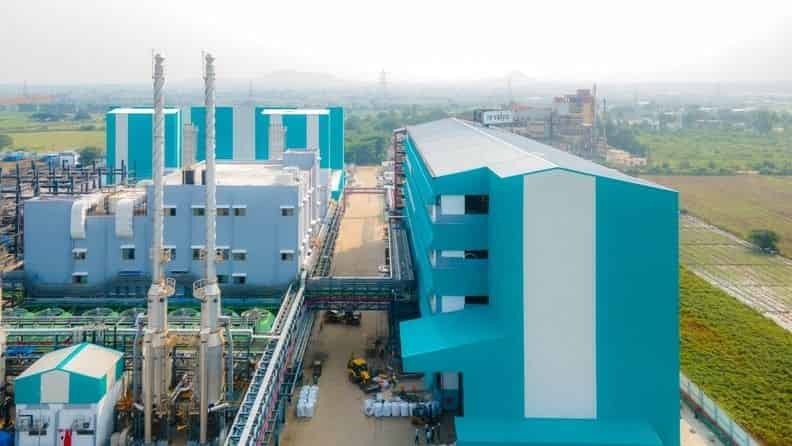
Revalyu Resources has inaugurated its second PET chemical recycling plant in Nashik, India, boosting its daily recycling capacity to over 20 million PET bottles and producing 160 tonnes of high-quality recycled PET chips and polymers
This expansion reinforces Revalyu’s leadership in the global PET recycling market, as noted by Revalyu India’s CEO, Makarand Kulkarni, and serves clients in sectors such as packaging, textiles, and automotive.
A third Nashik facility, set for completion by late 2025, will add 120 tonnes of capacity, enabling the recycling of 35 million plastic bottles daily and raising total production to 280 tonnes per day. With an innovative glycolysis-based process, Revalyu’s recycling uses 75% less water and 91% less energy than traditional PET production, producing sustainable esters at a lower cost and quality equivalent to conventional PET. Plastic pollution
Focused on technological advancement, Revalyu invests 5% of its annual budget in R&D to support a PET circular economy. Plans include expanding globally, with a 240-tonne-per-day plant in the U.S. by 2027 and a goal to reach 1,000 tonnes daily by 2030. The company is headquartered in Germany and is majority-owned by Heraeus, a German technology company, with operations in India and the U.S.
Plastic pollution