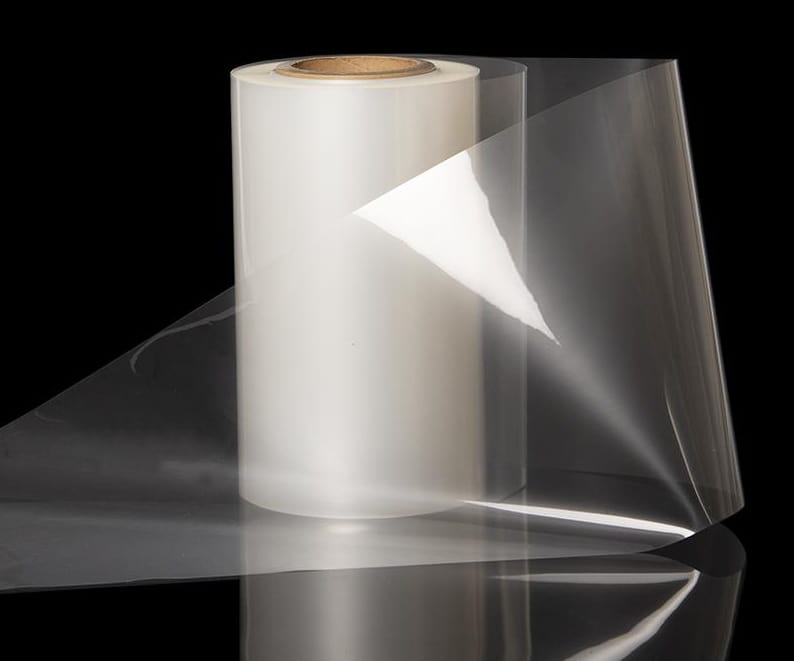
Plastic Pyrolysis – Evertis announces US $100 million investment in new production plant in the US Evertis, the world’s largest PET multilayer film supplier for the food industry, today unveiled plans to build a new leading edge production plant in Columbia, SC. With a total investment of US $100 million, the new facility is scheduled to be operational in Q2 2026, with its first commercial sales to customers anticipated later that year 03-03-2025 - Archive
Plastic Pyrolysis

Plastic Pyrolysis
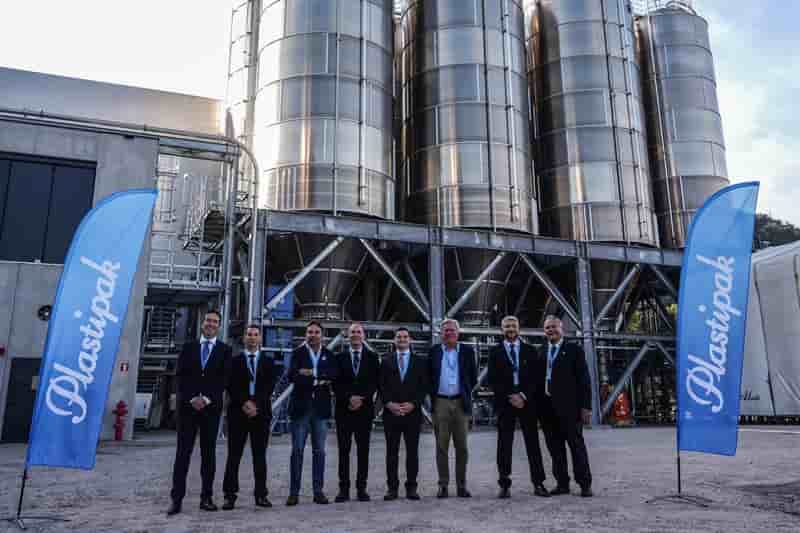
Evertis, the world’s largest PET multilayer film supplier for the food industry, today unveiled plans to build a new leading edge production plant in Columbia, SC. With a total investment of US $100 million, the new facility is scheduled to be operational in Q2 2026, with its first commercial sales to customers anticipated later that year. Plastic Pyrolysis
The initial phase of the expansion will add 30,000 tons of new capacity to the North American packaging market and is projected to create more than 100 full-time jobs in the region whilst contributing to the US economy and economic growth.
This strategic move will also generate significant benefits across the local value chain, with further expansion planned. In Q2 2028, a second phase will increase production capacity by an additional 30,000 tons, raising the total capacity to 60,000 tons.
Evertis has been serving the United States market since 2000, initially supplying from its plants in Mexico and Brazil. The decision to expand with a new production plant in the US reflects the company’s commitment to strengthening its local presence and ensuring more reliable, efficient supply to meet the growing demand in North America.
“This is truly another important milestone on our journey to deliver our packaging to the doorsteps of our customers,” said Thomaz Gruber, Executive VP Operations of Evertis USA. “The asset addition to our global Group production footprint will enable us to offer shorter lead times, reduce supply chain risks, and better align with the increasing market demand for packaging solutions that prioritize circularity and environmental responsibility.” Plastic Pyrolysis
Evertis is part of the IMG Group, a privately owned company with over 65 years in the polymers industry and a proven track record of leveraging their expertise and advanced technologies to deliver innovative solutions. This current announcement from the IMG Group follows a number of recent expansion and diversification strategies for the integrated Group. During 2024 the Group has seen existing asset expansion within its copolyester producing business, Selenis, at their plant in Fayetteville, NC, and the launch of the Evercare® and Selcare® brands to provide packaging solutions for the healthcare industry.

Carbon: The Unseen Challenge in Nuclear Fusion Reactors
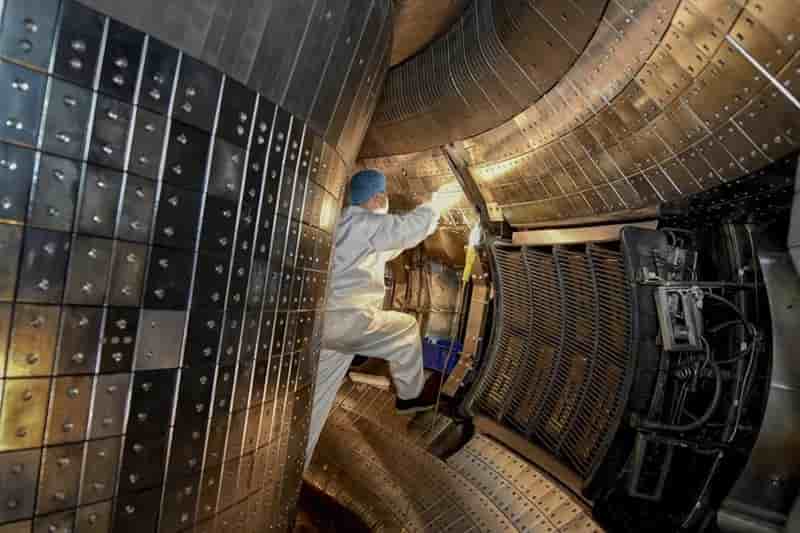
Nuclear fusion has the potential to deliver unlimited clean energy, but before this vision becomes a reality, scientists must address a crucial obstacle: preventing reactor walls from absorbing fuel. A recent study conducted by Princeton Plasma Physics Laboratory (PPPL) reveals an unexpected issue that could impact both the safety and operational efficiency of fusion-based power plants.
This research explores how fuel retention in reactor walls could complicate the management of future power plants. In nuclear fusion, one widely studied approach involves heating plasma within a tokamak—a device that uses strong magnetic fields to confine the high-temperature plasma. Plastic Pyrolysis
The plasma fuels the reaction, yet some of it inevitably interacts with the reactor’s walls, leading to potential absorption. This phenomenon can reduce efficiency over time and present challenges in fuel regulation. Addressing this issue is particularly vital for large-scale projects like ITER, the international fusion reactor currently under construction in France.
Scientists have long examined boron-coated reactor walls due to boron’s effectiveness in maintaining plasma purity. However, new findings indicate that boron itself is not the primary concern—carbon is. Plastic Pyrolysis
Even in small concentrations, carbon has been found to retain fuel, complicating its removal and adding new challenges to reactor maintenance.
The study involved testing boron-coated graphite samples in DIII-D, a tokamak facility operated by General Atomics in the United States. The data revealed that for every five units of boron, two units of fuel became trapped within the material. This suggests that even trace amounts of carbon can significantly contribute to fuel retention, a concern for the future of nuclear fusion power. Many current fusion reactors incorporate graphite—a carbon-based material—for their walls. However, in response to these findings, researchers are now considering a shift toward tungsten, a material known for its lower fuel retention properties. Plastic Pyrolysis
One of the most critical challenges for future nuclear power plants relying on fusion energy is the management of tritium, a radioactive fuel that requires careful regulation. If excessive amounts of tritium become trapped within the reactor walls, it could lead to violations of safety regulations, potentially forcing facilities to cease operations.
This research is an essential step toward mitigating fuel buildup and enhancing the feasibility of nuclear fusion. By identifying materials that minimize fuel retention, scientists can improve reactor efficiency and reduce safety risks. If successful, these advancements will help pave the way for nuclear fusion to become a viable source of clean, abundant energy, ultimately decreasing reliance on fossil fuels and supporting global sustainability efforts. Plastic Pyrolysis
Breaking barriers in polypropylene recycling: A path to sustainable packaging
Polypropylene (PP) is one of the most widely used plastics, yet it has comparatively low recycling rates. A recent market analysis from PreScouter examined the current state of the recycled PP supply chain. Report co-authors Dr. Marija Jovic and Dr. Daniel Morales share their key findings and recommendations on what brands and recyclers need to do to bridge the gap between PP recycling capacity and post-consumer recycled (PCR) plastic demand.
Plastic Pyrolysis
Polypropylene (PP) is the second most commonly used plastic worldwide. However, PP recycling rates are significantly lower than other plastics, such as high-density polyethylene (HDPE) and polyethylene terephthalate (PET). For example, PET bottles are recycled in the US at a rate 3.5 times higher than PP containers. This discrepancy is mainly due to differences in household collection rates.
Many consumer goods companies are now setting Environmental, Social, and Governance (ESG) goals that require at least 25% recycled content in their packaging by 2025 or 2030. As a result, there has been a significant focus on recycled polyethylene terephthalate (rPET), which has led to comparatively less attention on recycled polypropylene (rPP) because of its inherent recycling challenges. Nevertheless, our market analysis reveals a viable and promising pathway for recycling PP, which can assist CPG companies in achieving their sustainability goals.
US recyclers have the processing capacity of post-consumer recycled PP (PCR PP) to meet demand but lack sufficient input material and long-term commitments from brands to create sustained demand.
Plastic Pyrolysis
These findings emerged from our two-month study, which combined database reviews and interviews with recycling industry representatives. This methodology allowed us to estimate the total capacity for post-consumer PP in the US and gather insights into key metrics (i.e., material grades, facility numbers, partnerships, and key challenges).