Revolutionary Titanium-Based Catalyst from Clariant Dramatically Boosts Polyester Production Efficiency and Supports Circular Economy While Phasing Out Antimony Use 23-10-2025
Polyester Production – Revolutionary Titanium-Based Catalyst from Clariant
In the world of polyester production, the traditional use of antimony-based catalysts is facing major disruption. The Swiss chemical company Clariant has introduced its new AddWorks™ titanium-based catalyst system aimed at replacing antimony in polyester polymerisation. clariant.com+2clariant.com+2
This innovative titanium-based catalyst offers a range of advantages. First, it kicks off faster polymerisation kinetics, enabling lower processing temperatures and thus reducing energy consumption. clariant.com+1 The system is designed to be water-stable, meaning it avoids deactivation or the formation of unwanted by-products that can affect polymer quality. clariant.com+1
Beyond improved manufacturing efficiency, this catalyst also supports circular economy goals. polyester production
Its compatibility with recycling processes and improved colour performance in both virgin and recycled polyester help manufacturers and brands deliver higher-quality recycled content. clariant.com+1
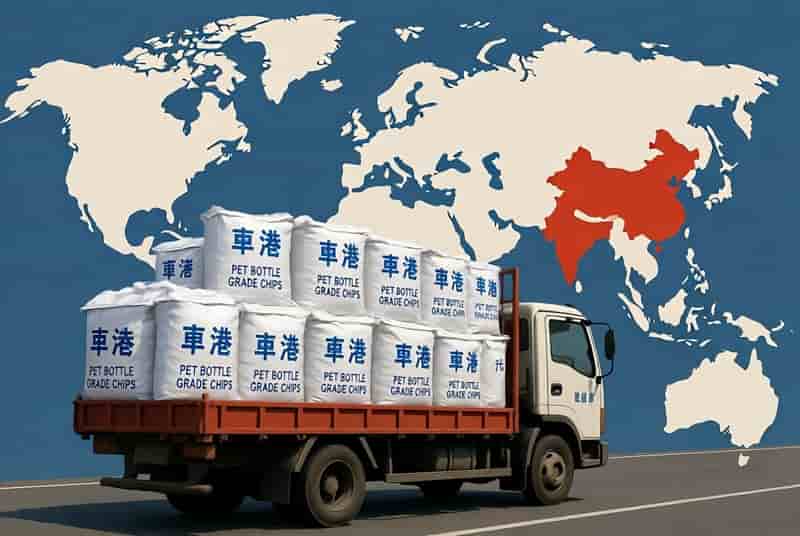
One of the strategic motivations behind this shift is supply-chain risk mitigation. With China enforcing export controls on antimony, polyester producers globally face heightened risk of disruption. Clariant’s titanium-based solution removes dependence on antimony, bolstering security and resilience. polyester production
Although the initial focus will be on conventional polyethylene terephthalate (PET), the AddWorks platform is compatible across the polyester family — including PETG, PCT, PBT, PTT, PBAT, TPEE and even emerging biobased polyesters like PEF. clariant.com+1
For polyester resin manufacturers, fibre producers, and recyclers, this technology represents more than just a catalyst swap. It promises potential savings in both capital expenditure (CAPEX) and operational expenditure (OPEX) via increased throughput, reduced downtime and lower energy/waste-treatment costs.
From a sustainability standpoint, eliminating heavy metals such as antimony improves environmental mobility, lowers toxicity and reduces risk of bioaccumulation. That aligns well with increasingly stringent environmental regulations and consumer demand for sustainable materials.
In summary, Clariant’s shift from antimony to titanium-based catalyst systems in polyester production is a decisive step toward more efficient, sustainable and resilient manufacturing. It addresses both process optimisation and the broader circularity challenge facing the polyester industry.