Global Polymer Prices Decline As Feedstock Costs Drop, Creating Market Uncertainty But Opening New Opportunities For Manufacturers And Buyers Across Multiple Downstream Industries Worldwide Today 25-11-2025
Polymer Prices Mostly Track Lower Feedstock Costs: What Manufacturers Need to Know
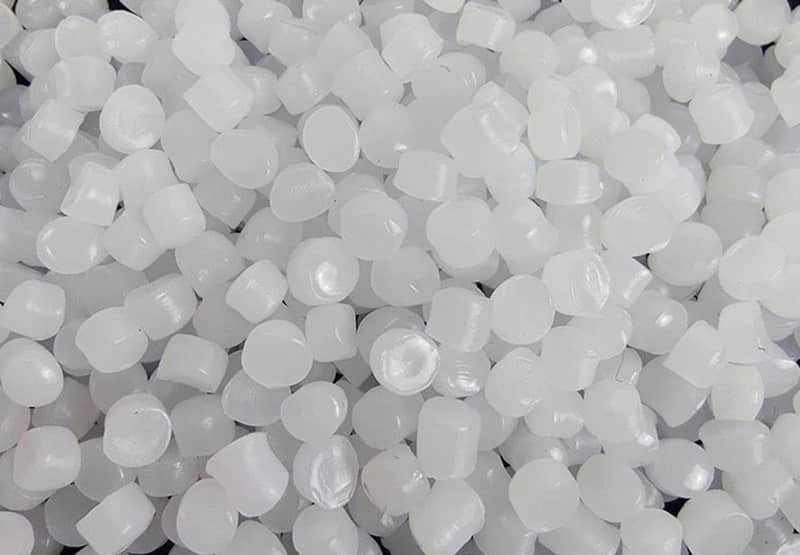
Global polymer prices are experiencing a noticeable downward shift as feedstock costs fall across several major petrochemical chains. This trend is shaping purchasing decisions, production planning, and supply-chain strategies for industries dependent on plastics, packaging, construction materials, consumer goods, and automotive components. As feedstock markets soften, buyers are watching closely to determine whether these reductions represent a short-term correction or the beginning of a more extended pricing cycle.
Feedstock Declines Drive Broader Market Adjustments
Feedstocks such as naphtha, ethylene, propylene, and benzene play a central role in determining polymer prices. When these primary inputs fall in cost, polymer markets typically respond within weeks. Recent declines have created downward pressure across key categories including polyethylene (PE), polypropylene (PP), polystyrene (PS), and PVC.
Lower feedstock values often signal either easing crude oil prices or a supply-demand imbalance. Many producers have noted weaker demand from converters, which has left more material in the system and contributed to additional price softness. As a result, the current environment reflects both cost-driven and demand-driven dynamics.
Polyethylene and Polypropylene React Quickly
PE and PP are among the most responsive materials when feedstock costs drop. PE trades in packaging, films, agricultural plastics, and consumer product applications, while PP remains essential for automotive, appliances, and injection-molded goods.
In recent weeks, buyers have reported increased willingness from suppliers to negotiate, particularly on large-volume purchases. This shift indicates that polymer prices in both categories are adjusting to softer input costs and easing downstream consumption. Although some producers attempted price rollovers earlier, market pressure has pushed numbers lower.
Polystyrene Under Pressure Due to Benzene Costs
Polystyrene markets typically react strongly to benzene fluctuations, and declining benzene values have added additional downward momentum. Converted products such as foam packaging, disposable items, and insulation materials are reflecting this cost reduction. Manufacturers who depend heavily on polystyrene are now evaluating whether to advance purchases to take advantage of lower polymer prices, or wait for potential further declines.
PVC Sees Mixed Movement but Follows Overall Downtrend
PVC markets, which align closely with construction activity, show mixed signals. While some regions are seeing healthy demand for pipe and profile materials, the overall trend still follows the broader feedstock-driven decline. Many PVC converters are benefiting from lower costs in chlorine and ethylene derivatives, allowing them to reduce material expenses and improve margin stability.
Global Market Conditions Influence Pricing Cycles
International trade dynamics remain a major factor in determining polymer prices. Regions with oversupply, such as parts of Asia and the Middle East, may export more aggressively when local demand softens, pushing global prices lower. Conversely, European producers facing energy cost challenges may reduce operating rates, tightening supply and moderating declines.
Despite regional variations, the global direction currently favors lower prices. Buyers working in multinational supply chains must carefully monitor freight rates, currency shifts, and regional inventory movements to forecast future cost changes.
Manufacturers Adjust Production and Inventory Strategy
Producers are responding to the downtrend by adjusting output and managing inventories more tightly. Some have reduced operating rates at polymer plants to prevent oversupply from growing. Others are focusing on margin protection by limiting spot cargo availability.
Converters and end-users, however, generally welcome lower polymer prices, as they help control production costs and improve competitiveness. Many are moving toward just-in-time purchasing to avoid holding higher-cost stock when market sentiment indicates potential further decreases.
Sustainability and Recycling Continue to Influence Market Behavior
Even as virgin polymer markets soften, demand for recycled materials remains relatively stable. Brands and manufacturers with sustainability commitments continue purchasing recycled PE, PP, and PET, creating a parallel market that is less sensitive to feedstock fluctuations.
This sustainability-driven demand may prevent virgin polymer prices from dropping too sharply long-term, particularly in regions with strong regulatory requirements for recycled content.
What Buyers Should Watch Next
Looking ahead, several factors may influence whether the current softness continues or stabilizes:
-
Crude oil price movements
-
Operating rates at global petrochemical facilities
-
Seasonal demand shifts across packaging and construction
-
Inventory strategies among converters
-
Macro-economic indicators impacting consumer goods production
For now, the downward trend in polymer prices is providing cost relief across multiple sectors. However, market participants should track feedstock shifts closely, as polymer pricing cycles can reverse quickly once demand recovers or supply tightens.
More…