Major €75m RCS Recycling Plant Breaks Ground in Germany
Major €75m RCS Recycling Plant Breaks Ground in Germany
RCS Group has started construction of a €75 million plastics recycling facility in Werne, Germany, marking a significant expansion of its capacity to turn post-consumer plastics into new raw materials.
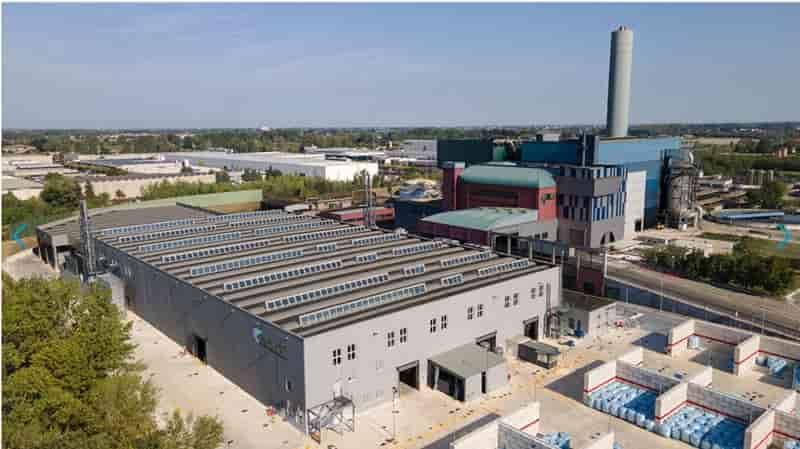
The RCS recycling plant is being developed on 6.5 hectares along Capeller Strasse, north of the group’s existing headquarters. RCS held the official groundbreaking on 28 August 2026, with local government, business and administrative representatives attending. RCS recycling plant
RCS project at a glance
-
Investment: €75 million
-
Site area: 6.5 hectares
-
Planned processing capacity: about 100,000 tonnes of plastic a year
-
Target materials: HDPE closures, polystyrene, PET trays and PET beverage bottles
-
Employment: about 60 new jobs, including roughly five apprenticeships
-
Expected completion: between late 2027 and early 2028
These figures describe RCS’s current plans and targets. Actual output will depend on commissioning, regulatory approvals, feedstock availability and operating conditions.
A dedicated site for several plastic streams
The development will operate as a standalone RCS Plastics location, bringing production, logistics, administration, maintenance and service functions together on one site.
RCS plans to process HDPE caps and closures, polystyrene, PET trays and PET drinks bottles. The resulting recyclates are intended for a range of new products, helping keep material in circulation and reduce demand for virgin plastic where technical and regulatory requirements can be met.
At roughly 100,000 tonnes a year, the planned processing capacity is the project’s headline figure. It should not be read as current production or as a guaranteed volume before the facility is completed and fully operational.
Food-grade recycled HDPE is the key challenge
One of the project’s most consequential goals is the production of recycled HDPE suitable for food-contact packaging, using caps as an input stream.
That ambition matters because food-contact recyclates must satisfy demanding requirements for process control, traceability, quality assurance and regulatory approval. RCS says it is investing in processes intended to open additional material loops and enable recycled plastics to be used in more applications.
The wording is important: the company is developing food-grade HDPE recyclates, but suitability for specific food-contact uses will depend on the required authorisations and verified performance. The project announcement does not establish that every output from the future plant will be food-grade. RCS recycling plant
Local investment and new employment
The groundbreaking follows cooperation between RCS, the City of Werne, the district government and other public authorities. Kreis Unna and the German recycling association bvse both reported the construction start in updates published within the past two days.
The project is expected to create around 60 jobs, including approximately five apprenticeship positions. For Werne, the investment combines industrial development with a larger role in Germany’s circular-economy supply chain.
The new plant also represents a long-term commitment to the region. RCS says completion is currently planned for late 2027 or early 2028, leaving a substantial construction and commissioning period before the announced capacity can come online.
Why the RCS recycling plant matters
The facility brings together three priorities facing European plastics recycling: greater domestic processing capacity, higher-value recycled materials and more reliable closed-loop applications.
Mechanical recycling alone does not eliminate the environmental costs of plastic production or guarantee that every collected item becomes an equivalent new product. Feedstock quality, contamination, product design and market demand all affect the result. However, investment in better sorting and processing can improve the quantity and quality of material returned to manufacturing.
RCS’s plans are therefore notable for more than their scale. The decisive test will be whether the plant can consistently produce recyclates that meet customers’ technical standards, including the stricter requirements attached to food-contact packaging. RCS recycling plant
What happens next?
Construction will continue toward the company’s late-2027 to early-2028 completion window. Key milestones will include installation and commissioning of production lines, receipt of relevant approvals and confirmation of commercial operating volumes.
Until those steps are complete, the €75 million investment, 100,000-tonne capacity and job figures should be presented as announced plans rather than completed outcomes.
Frequently asked questions
Where is the new RCS recycling plant?
The facility is under construction on a 6.5-hectare expansion site along Capeller Strasse in Werne, North Rhine-Westphalia, Germany.
What plastics will the plant process?
RCS plans to process HDPE caps and closures, polystyrene, PET trays and PET beverage bottles into recyclates for different applications.
How much plastic will it process?
The stated design target is about 100,000 tonnes per year. This is planned processing capacity, not current production.
When will the facility be completed?
RCS currently expects completion between late 2027 and early 2028.
How many jobs will it create?
The company expects approximately 60 new jobs, including about five apprenticeships.
Sources
-
RCS Group, “75 Millionen Euro für Kreislaufwirtschaft,” published 28 August 2026: https://www.rcs-entsorgung.de/2026/08/28/spatenstich/
-
Kreis Unna, “RCS baut neuen Standort,” published 1 September 2026: https://www.kreis-unna.de/Serviceportal/Nachrichten/RCS-baut-neuen-Standort.php?ModID=255&FID=3674.12557.1&kat=3674.49&max=3
-
bvse, “75 Millionen Euro für Kreislaufwirtschaft,” published 31 August 2026: https://www.bvse.de/gut-informiert-kunststoffrecycling/nachrichten-recycling/13131-75-millionen-euro-fuer-kreislaufwirtschaft.html
Plastic Recycling Crisis Deepens as Cheap Virgin Resin and EU Export Rules Squeeze Operators