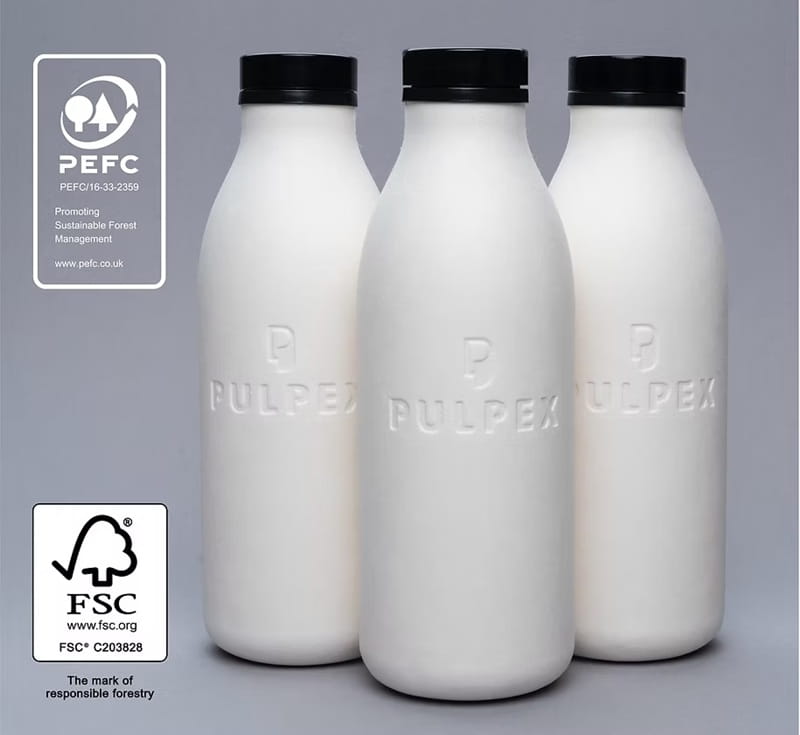
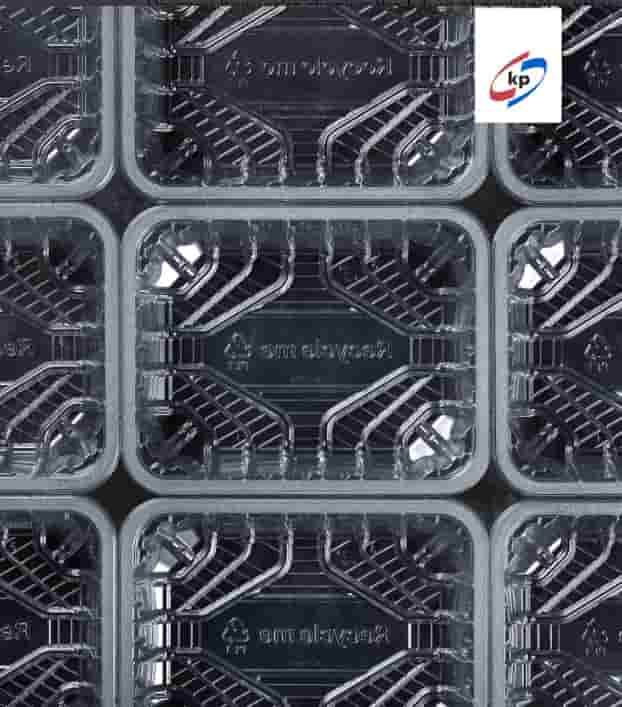
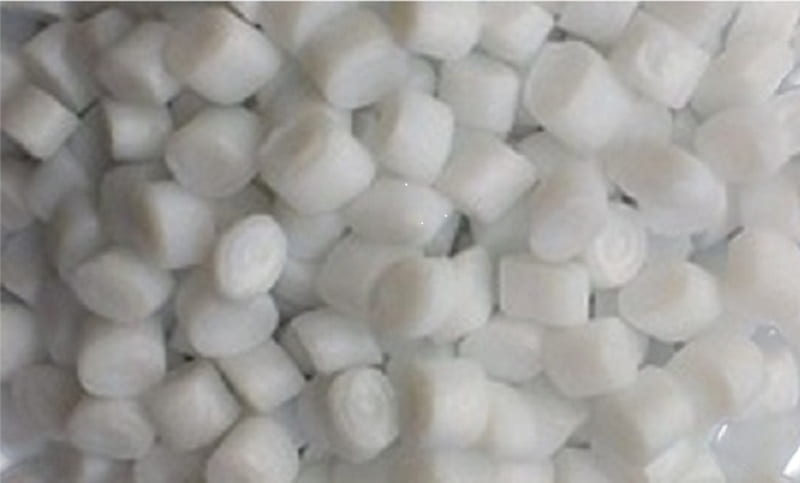
Recycle ready packaging accelerates sustainable flexible packaging transformation as regulation pressure rises innovation scales and brands demand recyclable solutions across global markets – Polymers and Petrochemicals prices 19-01-2026
Recycle ready packaging – Full price table (12/01/2026 →19/01/2026)
| ITEM | 12/01/2026 | 19/01/2026 | +/− |
|---|---|---|---|
| Bottle grade PET chips domestic market | 6,120 yuan/ton | 6,040 yuan/ton | -80 |
| Chinese bottle-grade PET chips FOB export price | 805 $/ton | 812 $/ton | +7 |
| LDPE CFR Est China | 950 $/ton | 1,000 $/ton | +50 |
| PET Semidull — Fiber chips | 5,800 yuan/ton | 5,750 yuan/ton | -50 |
| PET Bright — Fiber chips | 5,840 yuan/ton | 5,800 yuan/ton | -40 |
| Pure Terephthalic Acid PTA domestic market | 5,110 yuan/ton | 4,970 yuan/ton | -140 |
| Pure Terephthalic Acid PTA FOB China | 660 $/ton | 655 $/ton | -5 |
| Monoethyleneglycol (MEG) South China | 3,880 yuan/ton | 3,820 yuan/ton | -60 |
| Monoethyleneglycol (MEG) CFR China | 445 $/ton | 447 $/ton | +2 |
| Paraxylene PX FOB Taiwan market | 868 $/ton | 856 $/ton | -12- |
| Paraxylene PX FOB South-Korea market | 869 $/ton | 857 $/ton | -12 |
| Paraxylene PX FOB EU market | 851 $/ton | 841 $/ton | -10 |
| Polyester filament POY 150D/48F domestic market | 6,700 yuan/ton | 6,700 yuan/ton | – |
| Recycled Polyester filament POY domestic market | 5,900 yuan/ton | 5,900 yuan/ton | – |
| Polyester filament DTY 150D/48F domestic market | 7,750 yuan/ton | 7,850 yuan/ton | +100 |
| Polyester filament FDY 68D/24F | 7,650 yuan/ton | 7,700 yuan/ton | +50 |
| Polyester filament FDY 150D/96F domestic market | 6,900 yuan/ton | 6,950 yuan/ton | +50 |
| Polyester staple fiber 1.4D 38mm domestic market | 6,625 yuan/ton | 6,625 yuan/ton | – |
| Caprolactam (CPL) domestic market | 9,200 yuan/ton | 9,200 yuan/ton | -100 |
| Caprolactam (CPL) CFR China | 1,07 $/ton | 1,20 $/ton | +130 |
| Nylon 6 chips — overseas market | North America ~ $2.47 /kg – $2.93 /kg
Europe ~ $2.36 /kg Northeast Asia ~ $1.42 /kg – $1.74 /kg Southeast Asia ~ $1.62 /kg – $1.81 /kg Middle East ~ $1.50 /kg – $1.88 /kg |
North America 2.69 USD/kg Europe 2.41 USD/kg Northeast Asia 1.42 USD/kg Southeast Asia 1.89 USD/kg Middle East 1.60 USD/kg |
– |
| Nylon 6 chips conventional spinning domestic market | 9,700 yuan/ton | 9,700 yuan/ton | – |
| Nylon 6 chips high speed spinning domestic market | 10,200 yuan/ton | 10,050 yuan/ton | – |
| Nylon 6.6 chips domestic market | 15,000 yuan/ton | 14,700 yuan/ton | -300 |
| Nylon6 Filament POY 86D/24F domestic market | 11,400 yuan/ton | 11,400 yuan/ton | – |
| Nylon6 Filament DTY 70D/24F domestic market | 13,700 yuan/ton | 13,700 yuan/ton | – |
| Nylon6 Filament FDY 70D/24F | 12,100 yuan/ton | 12,100 yuan/ton | – |
| Spandex 20D domestic market | 26,700 yuan/ton | 26,700 yuan/ton | – |
| Spandex 30D domestic market | 26,200 yuan/ton | 26,200 yuan/ton | – |
| Spandex 40D domestic market | 23,000 yuan/ton | 23,000 yuan/ton | – |
| Adipic Acid China domestic market | 7,250 yuan/ton | 7,300 yuan/ton | +50 |
| Adipic Acid Europe market | 1,800 $/ton | 1,820 $/ton | +20 |
| Benzene domestic market East China | 5,340 yuan/ton | 5,575 yuan/ton | +235 |
| Benzene CFR China | 670 $/ton | 680 $/ton | +10 |
| Ethylene South East market | 710 $/ton | 700 $/ton | -10 |
| Ethylene NWE market CIF | 726 $/ton | 766 $/ton | +40 |
| Acrylonitrile (ACN) domestic market | 7,250 yuan/ton | 7,150 yuan/ton | -100 |
| Acrylonitrile ACN Southeast Asia | 1,110 $/ton | 1,112 $/ton | +2 |
| Acrylic staple fiber (ASF) CFR China | 13,160 yuan/ton | 13,160 yuan/ton | – |
| VSF viscose staple fiber | 12,800 yuan/ton | 12,650 yuan/ton | -150 |
| PP Powder domestic market | 6,250 yuan/ton | 6,475yuan/ton | +225 |
| Naphtha overseas market | 516 $/ton | 514 $/ton | -2 |
| Phenol domestic market (Jinan Dezheng / Yanshan Petrochemical, Shandong) | 5,692yuan/ton | 5,865 yuan/ton | +173 |
| Recycled PET | 4,050 yuan/ton | 4,050 yuan/ton | – |
Recycle ready packaging accelerates sustainable flexible packaging transformation as regulation pressure rises innovation scales and brands demand recyclable solutions across global markets
Recycle ready packaging solutions – what’s next?
Recycle ready packaging has moved from an emerging concept to a strategic necessity for the global packaging industry. As sustainability expectations rise, packaging must now balance performance, protection, cost efficiency, and environmental responsibility. Brand owners, converters, and regulators are aligned on one critical objective: packaging should deliver its function with the lowest possible environmental impact across its entire life cycle.
This life cycle perspective includes material sourcing, production, conversion, distribution, use, and end of life. Whether packaging is recycled, reused, or composted, its design plays a decisive role in determining its sustainability outcome. Among all available approaches, recycle ready packaging has become one of the most impactful and scalable solutions for advancing sustainable packaging.
Why recycle ready packaging is now a priority
Sustainability remains a central strategic focus for the packaging industry, even as companies face competing priorities such as automation, artificial intelligence adoption, cost pressures, and supply chain complexity. Regulatory developments have significantly increased urgency. The European Union Packaging and Packaging Waste Regulation introduces phased deadlines that will fundamentally reshape how packaging is designed, produced, and placed on the market.
In parallel, corporate sustainability commitments and consumer expectations are converging. Brand owners are under pressure to demonstrate measurable progress toward circular economy goals. Recycle ready packaging supports these objectives by enabling materials to re enter recycling streams, reducing landfill waste, and lowering overall environmental impact.
As a result, recycle ready packaging is no longer a niche innovation. It is rapidly becoming a baseline requirement for market access, regulatory compliance, and brand credibility.
The complexity behind flexible packaging sustainability
Despite growing demand, the transition to recycle ready packaging has not been straightforward. Flexible packaging has traditionally relied on multilayer structures composed of different polymers, aluminum, or coatings. These layers deliver critical properties such as oxygen barriers, moisture resistance, light protection, and mechanical strength.
There are thousands of polymer variations used in flexible packaging today. While these combinations are highly effective at protecting food and beverages, they are extremely difficult to recycle using conventional systems. Separation of materials is often impractical, and recycling infrastructure varies widely between regions.
In addition to material challenges, recycling systems themselves are inconsistent. Collection, sorting, and processing capabilities differ significantly from one country to another. This makes it difficult to design a single solution that performs equally well everywhere.
Industry progress toward recycle ready packaging
Despite these obstacles, the packaging industry has made meaningful progress in recent years. Advances in material science, coating technologies, and converting equipment have enabled the development of high barrier mono material solutions. These structures are designed to replace traditional non recyclable packaging while maintaining performance standards required for sensitive products.
Early innovation focused on proving technical feasibility. Today, the emphasis has shifted toward industrial scalability and real world application. Solutions are now being converted, printed, and finished on full scale production lines, demonstrating consistent quality and barrier performance across every stage of the process.
This progress shows that recycle ready packaging can meet both sustainability and commercial requirements, making it a realistic option for mass market adoption.
Mono material and paper based solutions
Modern recycle ready packaging solutions generally fall into two main categories: mono material plastic structures and fiber based alternatives.
Polyethylene based mono material packaging is designed to be compatible with existing recycling streams. These solutions deliver strong moisture and oxygen barriers while allowing the entire structure to be recycled as a single material. They are particularly well suited for food and beverage packaging where barrier performance is critical.
Paper based recycle ready packaging responds to growing demand for renewable materials. These solutions use fiber as the primary substrate while incorporating functional coatings that provide necessary protection. Certified paper based packaging supports recycling systems and aligns with regulatory frameworks focused on renewable content.
Both approaches support compliance with the Packaging and Packaging Waste Regulation and similar global initiatives. They also provide brand owners with credible pathways to reduce environmental impact without sacrificing product protection.
Simplifying adoption for converters and brands
One of the main barriers to widespread adoption of recycle ready packaging has been technical complexity. Producing high barrier sustainable packaging requires expertise across materials, coatings, metallization, printing, and process control. For many converters, developing these capabilities independently can be time consuming and costly.
Integrated approaches that combine material know how with advanced converting and coating technologies help address this challenge. By streamlining development and production, converters can achieve faster time to market while maintaining consistent quality. This also reduces risk when transitioning from traditional packaging structures to recycle ready alternatives.
For brand owners, these solutions provide confidence that sustainability targets can be met without disrupting supply chains or compromising product performance.
Expanding the recycle ready packaging portfolio
Recycle ready packaging is not a single solution but an evolving family of options. Different applications, markets, and regulatory environments require different combinations of substrates, coatings, and barrier levels. Flexibility is essential.
Ongoing development focuses on expanding material choices, exploring new chemical formulations, and improving convertibility. Simplification is another key goal. Reducing process steps lowers energy consumption, improves efficiency, and enhances overall sustainability.
This modular approach allows converters to select solutions that best fit their operational capabilities and customer requirements, accelerating adoption across diverse markets.
Moving beyond ultra high barrier packaging
Ultra high barrier packaging has long been the gold standard for protecting sensitive products. However, not all applications require maximum barrier performance. Shelf life requirements depend on factors such as food type, storage conditions, and distribution channels.
For many products, medium to high barrier packaging provides sufficient protection. In some cases, such as certain cheeses, completely airtight packaging can even be detrimental to product quality. Designing recycle ready packaging with tailored barrier levels allows for better alignment between performance and sustainability.
Medium barrier solutions often eliminate the need for certain coating steps, reducing complexity and environmental impact. This also improves production efficiency and lowers costs, making recycle ready packaging more accessible to a wider range of applications.
Opportunities beyond flexible packaging
While flexible packaging remains the primary focus today, recycle ready principles are increasingly relevant for other packaging formats. Folding carton and corrugated packaging present opportunities for fiber based and hybrid solutions that support recycling and renewable material use.
Experience gained from developing recycle ready flexible packaging provides a strong foundation for innovation in these sectors. Research and development efforts are already underway, and progress is expected to accelerate as technologies mature.
Expanding recycle ready packaging into additional formats will further support circular economy objectives and reduce overall packaging waste.
Compostability as a complementary solution
Recyclability is not the only pathway to sustainable packaging. Compostability is gaining attention, particularly in regions with limited recycling infrastructure. Home compostable packaging offers an environmentally responsible end of life option when recycling is not feasible.
Consumer demand, regulatory pressure, and material innovation are driving interest in compostable solutions. However, scalability remains a challenge. To be viable, compostable packaging must be machinable, reliable, and suitable for industrial production.
As research advances, compostability is likely to play a complementary role alongside recycle ready packaging, helping address regional infrastructure gaps while maintaining environmental responsibility.
The future of recycle ready packaging
Recycle ready packaging represents a critical step toward a more sustainable and resilient packaging ecosystem. By aligning material design, regulatory compliance, and performance requirements, it provides a practical and scalable solution for reducing environmental impact.
As regulations tighten and innovation accelerates, recycle ready packaging will continue to evolve. Collaboration across the value chain, from material suppliers and equipment manufacturers to converters and brand owners, will be essential to drive progress.
The next phase of sustainable packaging will be defined not by compromise, but by intelligent design. Recycle ready packaging demonstrates that sustainability, performance, and scalability can work together to shape the future of packaging worldwide.
More…