Recycled content – Recyclate prices drift down on low demand 25-11-2024 - Archive
Recycled content
- Plastic pollution – A new study published in *ACS Sustainable Chemistry & Engineering* has shown that Eastman Aventa™ compostable materials, specifically cellulose diacetate (CDA)-based foams, rapidly biodegrade in marine environments, offering a promising solution to the global plastic pollution crisis 18-11-2024
- New enzyme technology for environmentally friendly plastic recycling
Recycled content
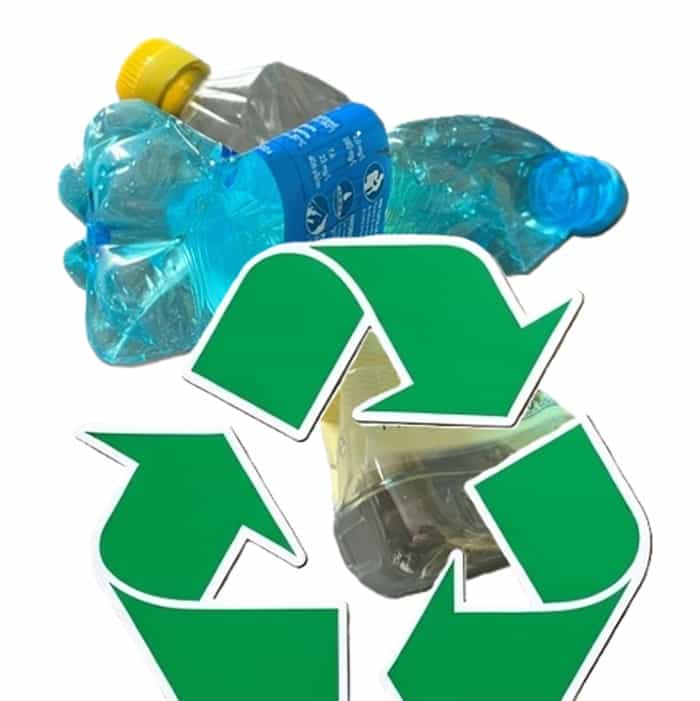
Recyclate prices drift down on low demand
Recyclate prices have been declining recently, driven by weak demand and increasing competition from cheaper virgin plastics and imported recycled materials.
This trend has particularly affected European markets, where prices for key recycled plastics like R-PET, R-LDPE, R-HDPE, and R-PP have softened.
For example, recycled PET (R-PET) food-grade pellet prices decreased by about €10/tonne in October due to reduced demand, lower costs of bottle scrap, and excess stock held by recyclers. Other materials like R-HIPS and R-PP have also seen similar downward trends.
High imports of plastics—both virgin and recycled—from non-EU countries have intensified the competition, undermining domestic recyclers. Recycled content
Imports are often less regulated and cheaper, which discourages the use of locally recycled materials. This scenario poses challenges to meeting the EU’s recycling and sustainability targets, as domestic recyclers struggle to maintain profitability and manage stock levels.
Organizations such as Plastics Recyclers Europe and EuRIC have called for policy interventions, such as enforcing stricter traceability and minimum recycled content standards for plastics in Europe, to protect the domestic recycling industry and ensure compliance with circular economy goals.
If you’re looking for more details or data on specific recycled material prices, I can help further.
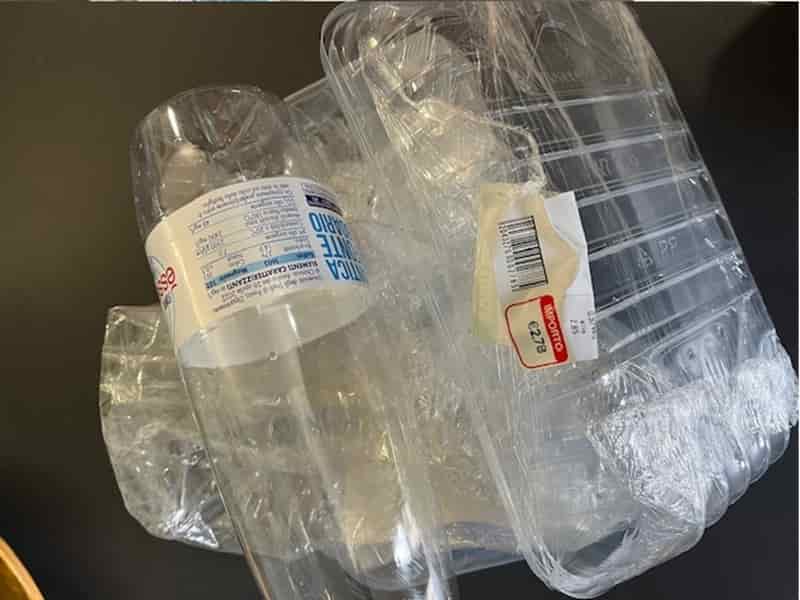
Coveris, a global leader in film and packaging solutions, has furthered its commitment to innovation and sustainability with significant upgrades at its Winsford facility in Cheshire, England
This initiative underscores the company’s dedication to modernizing production capacity, emphasizing sustainability, and supporting circular economy goals.
Investments in Advanced Extrusion Technology
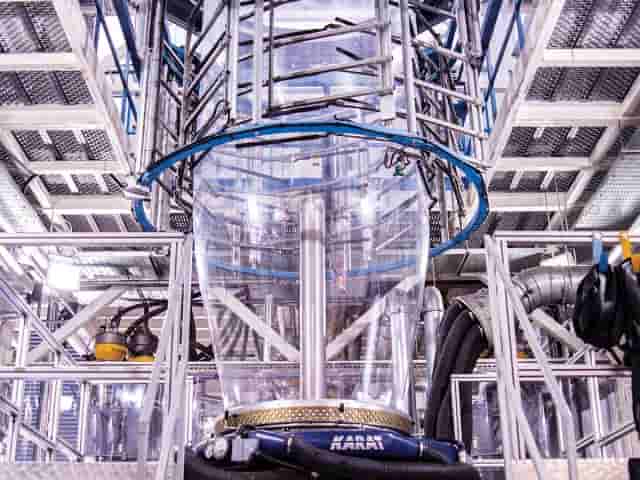
At the heart of the Winsford expansion are two newly installed extrusion lines: a nine-layer blown film line and a cast extrusion line.
The blown film system, equipped with an EVOH (ethylene vinyl alcohol) barrier layer, is designed to enhance food packaging by extending product shelf life while optimizing resource efficiency.
This state-of-the-art line represents Coveris’s push towards technical excellence in producing sustainable films tailored for the food sector. Recycled content
The cast extrusion line, operational since December, focuses on producing stretch films with a recycled content of at least 30%. This design not only aligns with environmental sustainability but also ensures compliance with the UK’s plastic packaging tax regulations, which incentivize the use of recycled materials in packaging.
Expanding Infrastructure and Storage
Complementing the new production capabilities is the construction of a 5,000-pallet capacity warehouse. Set to be operational by the first quarter of next year, this facility will triple Winsford’s storage capacity. This expansion not only supports the growing production volume but also improves logistical efficiency, enabling Coveris to better serve its clients in the UK and beyond.
A Holistic Approach to Sustainable Packaging
Coveris Winsford’s Managing Director, Sujoy Bose, highlighted the company’s overarching commitment to sustainable innovation. The focus, he emphasized, is on integrating recycled content, enhancing recyclability, reducing material usage through advanced thickness reduction technologies, and leveraging the EVOH barrier to optimize food preservation.
This comprehensive approach is exemplified by the facility’s recent addition of production areas dedicated to vacuum skin packaging (VSP) films. These advanced packaging solutions are engineered to minimize food waste by maintaining product freshness for longer periods. Recycled content
Meeting Consumer and Regulatory Demands
The investments at Winsford are part of Coveris’s broader strategy to address evolving market demands and stringent regulatory requirements. By focusing on recyclable and recycled-content films, the company positions itself as a leader in sustainable packaging solutions. The advancements also reflect the company’s responsiveness to consumer preferences for environmentally friendly products, particularly in the food packaging industry.
Driving Innovation in Packaging
This latest phase of upgrades aligns with Coveris’s ongoing global efforts to lead in sustainable film technology. Through its commitment to research, development, and advanced manufacturing, the company aims to deliver high-performance, eco-friendly packaging that supports both its customers’ needs and broader environmental goals.
In conclusion, Coveris’s Winsford facility serves as a cornerstone for the company’s vision of sustainable packaging innovation. By integrating cutting-edge technology, expanding production and storage capabilities, and prioritizing eco-conscious solutions, Coveris is setting a benchmark for the future of packaging. Recycled content