Recycled PET supply chain – Customer-First Strategy Powers Bantam Materials’ Resilient Global rPET Supply Chain Despite Market Volatility and Trade Disruptions 09-02-2026
Recycled PET supply chain
Customer focus as a competitive advantage in recycled PET markets
Bantam Materials International demonstrates how customer focus can be a decisive advantage in the recycled PET market. Founded in 2005, the Montreal-based recycled plastics supplier operates with a lean team of eight professionals while maintaining a truly global footprint. Its success lies not in scale, but in precision, reliability, and long-term relationships across the recycled PET supply chain.
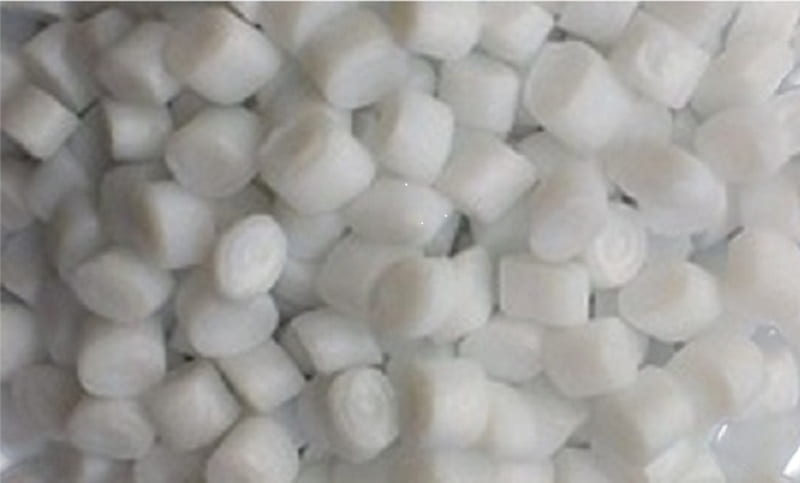
Specializing in clean, washed recycled PET flake, Bantam Materials supports converters, packaging producers, and thermoformers throughout North, Central, and South America. recycled PET supply chain
By consistently delivering dependable rPET supply, the company has remained resilient even as global resin markets fluctuate.
Filling a structural gap in recycled plastics supply
When Bantam Materials entered the market, recycled PET was significantly cheaper than virgin plastics such as PET, polypropylene, and high-density polyethylene. At that time, the recycled plastics supply chain lacked maturity, particularly in the United States, creating an opportunity for specialized trading expertise.
Early operations focused on importing recycled PET from South America, helping manufacturers meet cost objectives while beginning to respond to emerging sustainability expectations. Over time, sustainability shifted from a secondary benefit to a central driver of demand, reshaping procurement strategies across the plastics industry. recycled PET supply chain
Sustainability now drives rPET demand, not price
Since the 2010s, sustainability mandates, corporate recycled content targets, and consumer expectations have overtaken price as the primary drivers of recycled PET demand. Expanded curbside and deposit recycling systems across the United States and globally have reinforced this shift, supporting higher volumes of recycled material.
The plastics sector has grown alongside global PET demand, creating sustained momentum for recycled PET. Bantam Materials has benefited from this expansion by positioning itself as a reliable intermediary capable of balancing supply, quality, and logistics across regions. recycled PET supply chain
Logistics expertise ensures uninterrupted recycled PET supply
A core strength of Bantam Materials lies in managing complex logistics. The company supports recyclers seeking supplemental rPET volumes beyond domestic availability, often sourcing material from specific regions for extended periods.
Market conditions, freight rates, or regional supply constraints can change rapidly. When they do, Bantam Materials enables customers to pivot efficiently, shifting sourcing between Asia, Latin America, or other regions to maintain supply continuity and cost efficiency. recycled PET supply chain
This flexibility is particularly effective in recycled PET due to its relative material homogeneity compared to other plastics. By focusing on this high-volume commodity, Bantam Materials maximizes operational efficiency while minimizing risk.
Global presence backed by physical verification
Trust and transparency define Bantam Materials’ supplier relationships. The company maintains warehousing capacity across the United States and operates from Montreal while maintaining a strong operational presence in Central America. recycled PET supply chain
Supplier qualification is grounded in physical audits. Facilities are visited, evaluated, and continuously monitored to ensure consistent quality and compliance. This hands-on approach significantly reduces risk and strengthens long-term supply chain resilience.
Over two decades, Bantam Materials leadership has visited more than 150 recycling facilities worldwide. This commitment to firsthand verification underpins the company’s reputation for reliability and integrity.
Imported rPET fills a growing domestic supply gap
The availability of recycled PET flake in the United States has shifted dramatically over the past decade. Previously, domestic supply met most demand, with imports serving as swing volume. Today, consolidation among recycling operators and increased pelletization capacity have reduced the availability of domestic rPET flake. recycled PET supply chain
As older wash lines close and integrated players internalize production, imported recycled PET has become increasingly important. Imports now serve not only as supplemental volume but as a critical component of supply security.
Quality advantages of imported recycled PET
Quality is another key factor driving imported rPET demand. Recycled PET flake sourced from Southeast Asia, Latin America, and India often exceeds domestic material in cleanliness and consistency.
Higher-quality flake directly translates into superior recycled pellets, improving downstream product performance. Even vertically integrated recyclers increasingly rely on imported material to elevate pellet quality and meet stringent customer specifications. recycled PET supply chain
As a result, imported recycled PET has raised overall quality standards across the market, benefiting converters and brand owners alike.
Navigating tariffs and market turbulence
The recycled PET market faced significant challenges in 2025, compounded by changes in U.S. tariff policy. The removal of tariff exemptions for virgin and recycled PET imports introduced uncertainty, increased costs, and disrupted established trade flows.
In response, Bantam Materials adapted sourcing strategies, prioritizing tariff-resilient regions and shortening planning horizons. Despite these challenges, the company continued to operate, albeit in a constrained and volatile environment.
Higher costs have dampened demand, with limited ability for downstream customers to pass increases along. Global demand weakness across Asia and Europe has further limited alternative markets for excess supply.
Resilience through relationships and service excellence
Looking ahead, Bantam Materials does not anticipate rapid market recovery. Bale availability remains constrained across major regions, and broader economic uncertainty continues to weigh on demand.
However, the company’s long-term strategy remains unchanged. By prioritizing customer service, investing in trusted supplier relationships, and maintaining transparency throughout the recycled PET supply chain, Bantam Materials positions itself to endure volatility and emerge stronger.
Its two-decade track record demonstrates that in the recycled plastics industry, resilience is built through consistency, trust, and unwavering customer focus.
More…