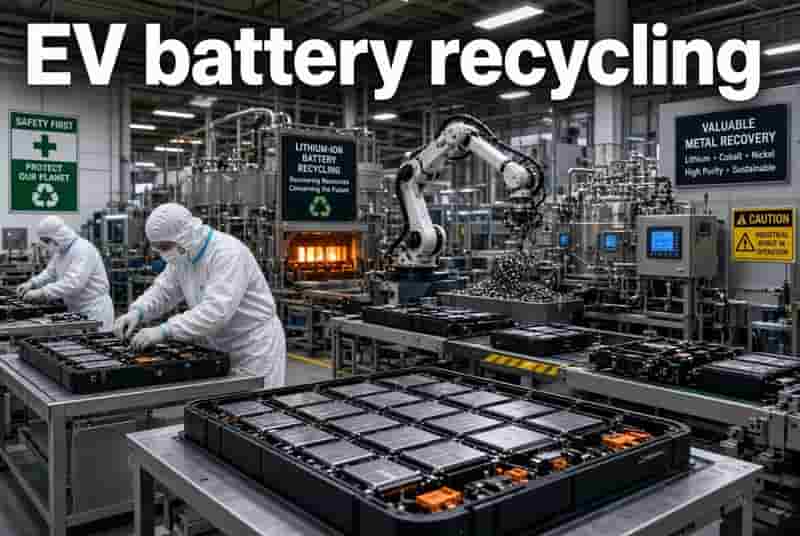
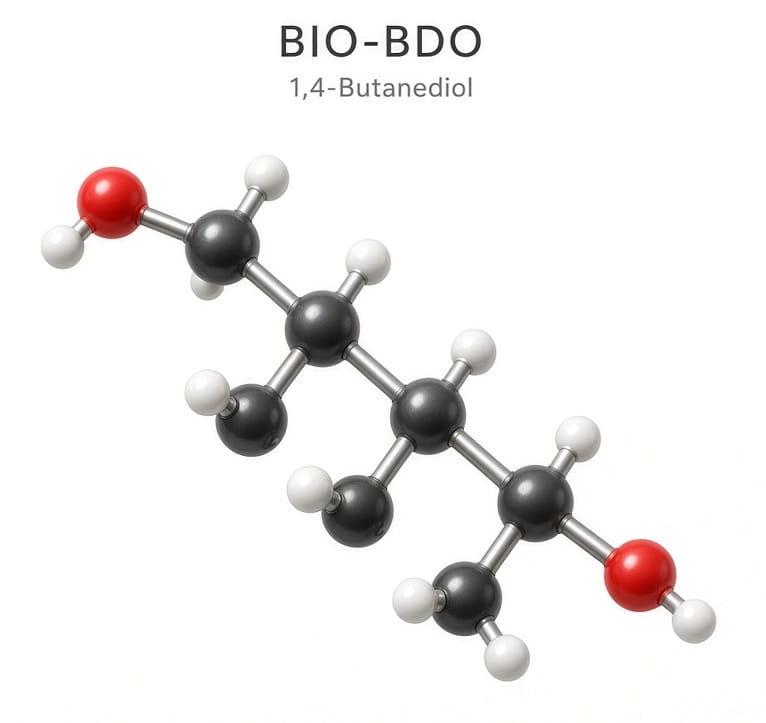
Recycled Plastics – Chemical Recycling and Advanced Polymers Chemical recycling is an emerging technology where plastics are depolymerized into monomers, which can then be repolymerized into virgin-quality plastics 26-08-2025 - Archive
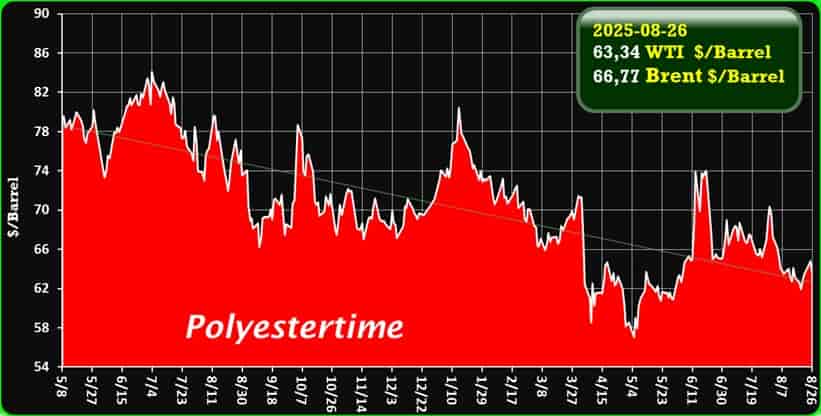
Crude Oil Prices Trend
EU Anti-Dumping on PTA and PET: Protecting European Polyester Production
Table of Contents
Introduction
The European Union (EU) has intensified its trade defense measures on imports of
terephthalic acid (PTA) and polyethylene terephthalate (PET). These products are vital in polyester production, and European industries have been raising concerns over unfair competition practices from international exporters.
The latest developments include an anti-dumping investigation into PTA imports from
South Korea and Mexico, as well as the confirmation of countervailing duties on PET from India. Recycled Plastics
Together, these measures reflect the EU’s broader strategy to safeguard domestic
industries from subsidized or dumped products that threaten local competitiveness.
The EU’s Investigation into PTA Imports
At the request of Ineos Aromatics, the European Commission has initiated
an anti-dumping proceeding concerning PTA imports from South Korea and Mexico.
This action follows concerns that imports were negatively affecting European
producers by driving down prices, reducing market share, and threatening employment.
Ac cording to evidence submitted in Brussels, the influx of low-priced PTA imports
has directly impacted sales volumes and profitability in Europe. Recycled Plastics
The Commission’s investigation aims to determine whether these imports constitute dumping — that is, selling products below market value or cost — and whether
they have caused material injury to the EU’s polyester industry.
Impact on European Polyester Producers
polyester producers, putting the sector’s long-term viability at risk.”
For European producers, the stakes are high. Polyester is widely used in textiles,
packaging, and industrial applications, meaning any sustained market disruption
can ripple across multiple sectors. Recycled Plastics
With U.S. duties already in place on PTA imports, the global trade environment
is shifting. The EU anticipates even greater competitive pressure in the face of
global overcapacity, especially from Asia, where production levels far exceed local demand.
Confirmed Countervailing Duties on Indian PET
In parallel, the EU has confirmed countervailing duties on imports of PET from India. This decision was based on a review of expiring anti-dumping measures requested by the PET Europe Association.
The investigation revealed that Indian PET exports continued to benefit from
government subsidies, distorting competition. Crucially, there was no indication
that these subsidies would be removed in the future. Recycled Plastics
The legal basis for this measure is laid out in Commission Implementing Regulation 2025/1748, recently published in the Official Journal of the European Union (OJEU).
Duty Rates for Indian Producers
The EU has imposed the following countervailing duty rates on Indian PET producers:
| Producer | Duty Rate |
|---|---|
| IVL Dhunseri Petrochem Industries Private Limited | 2.3% |
| Pearl Engineering Polymers Ltd | 13.8% |
| Reliance Industries Limited | 4.0% |
| Senpet | 4.43% |
| All other Indian producers | 13.8% |
| Futura Polyesters | Exempt (no subsidies) |
By setting differentiated rates, the EU aims to balance fairness with
precision, ensuring that only subsidized imports are penalized while
exempting producers not benefiting from state aid. Recycled Plastics
Global Trade and Overcapacity Challenges
These measures come at a time of significant uncertainty in global trade.
The polyester industry is particularly vulnerable to overcapacity, with Asian markets producing far more than they consume. This oversupply increases the likelihood of dumping into other markets, including Europe.
Moreover, the U.S. has also imposed duties, which may redirect Asian exports
toward Europe, intensifying competition.
The EU’s intervention is thus both a defensive and pre-emptive measure to
protect its industrial base. Recycled Plastics
Future Outlook for EU Trade Measures
The EU’s actions highlight its commitment to maintaining a level playing field in international trade. If the investigation confirms dumping practices by South Korea and Mexico, additional duties may follow.
Meanwhile, PET duties on India are likely to remain in place for the foreseeable
future, shaping the competitive dynamics of the polyester supply chain.
For European producers, these trade defenses provide some relief, but long-term
competitiveness will still depend on innovation, sustainability, and energy efficiency in production. Recycled Plastics
Conclusion
The EU’s anti-dumping and countervailing measures on PTA and PET signal a
stronger commitment to protecting European industries from unfair trade practices.
While these measures bring short-term relief to European producers, the broader
challenge of global overcapacity remains unresolved.
For stakeholders in textiles, packaging, and industrial applications, understanding these policy shifts is crucial. By closely monitoring regulatory developments, companies can adapt strategies, secure supply chains, and remain competitive in an increasingly complex global market.

♻️Sustainable Plastics: Types, Uses, and Misconceptions
?Table of Contents
- Introduction: What Are Sustainable Plastics?
- Types of Sustainable Plastics Recycled Plastics
- Bioplastics: Plant-Based Alternatives
- Recycled Plastics (rPET, rHDPE, rPP)
- Chemical Recycling and Advanced Polymers
- Sustainability ≠ Compostable ?
- Applications Across Industries
- Supporting the Circular Economy
- Conclusion: Choosing Truly Sustainable Plastics
?Introduction: What Are Sustainable Plastics?
Plastic has long been criticized for its environmental impact, but innovation in materials is changing the conversation. Sustainable plastics are designed to reduce environmental harm, whether through lower carbon footprints, recycled content, or enhanced recyclability. However, it is critical to understand that sustainable does not automatically mean compostable or biodegradable. Recycled Plastics
The term “sustainable” can encompass multiple strategies: reducing fossil fuel use, enabling recyclability, decreasing overall material consumption, or replacing conventional plastics with renewable alternatives. Companies and consumers alike need to grasp the nuances to make informed decisions.
?Types of Sustainable Plastics
There are several categories of sustainable plastics, each with unique characteristics and applications. These include:
- Bioplastics: Derived from renewable resources like corn, sugarcane, or algae.
- Recycled plastics: Plastics that are reprocessed from post-consumer or post-industrial waste.
- Chemically recycled plastics: Advanced polymers that can be broken down and rebuilt into new materials. Recyc led Plastics
Understanding these types helps brands and designers select materials that align with environmental and performance goals.
?Bioplastics: Plant-Based Alternatives
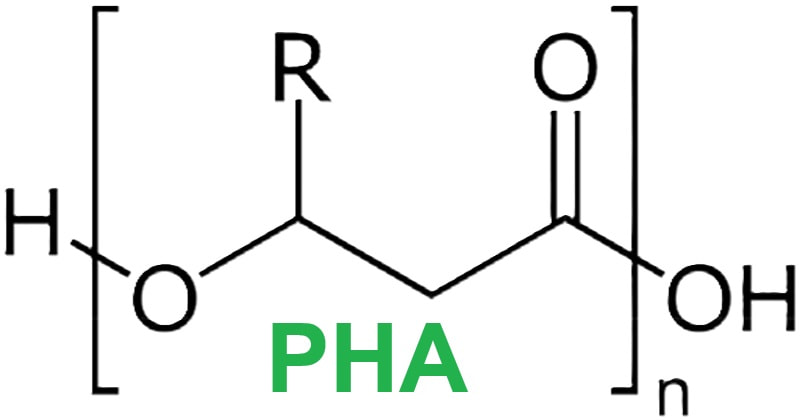
Bioplastics are a growing segment of sustainable plastics. They are derived from renewable feedstocks, such as corn starch, sugarcane, or cellulose. Common examples include PLA (Polylactic Acid) and PHA (Polyhydroxyalkanoates).
Advantages of Bioplastics
- Lower carbon footprint compared to conventional fossil-based plastics.
- Potential to integrate into existing recycling streams, depending on local infrastructure. Recycled Plastics
- Reduced reliance on non-renewable resources.
Limitations
Not all bioplastics are compostable, and even compostable versions often require industrial facilities. PLA, for instance, will not break down efficiently in home compost bins or the natural environment. Mislabeling can create confusion for consumers and recycling systems.
“Renewable feedstocks do not automatically solve plastic waste problems. Understanding end-of-life options is critical.” – Industry Expert
?Recycled Plastics (rPET, rHDPE, rPP)
Recycled plastics are among the most widely used sustainable materials. Post-consumer and post-industrial plastics are collected, cleaned, and processed into new products.
Key Types Re cycled Plastics
- rPET: Recycled polyethylene terephthalate, commonly used for beverage bottles and food containers.
- rHDPE: Recycled high-density polyethylene, ideal for milk jugs, detergent bottles, and rigid containers.
- rPP: Recycled polypropylene, used in packaging, automotive parts, and textiles.
Recycling reduces reliance on virgin fossil fuels, cuts greenhouse gas emissions, and supports a circular economy. Quality improvements in mechanical and chemical recycling processes have made recycled plastics viable for high-performance applications.
⚛️Chemical Recycling and Advanced Polymers Recycled Plastics
Chemical recycling is an emerging technology where plastics are depolymerized into monomers, which can then be repolymerized into virgin-quality plastics. This approach addresses limitations of mechanical recycling, such as contamination or downcycling.
Key advantages include:
- Ability to handle mixed or contaminated plastic waste.
- Production of high-quality polymers suitable for food-grade or technical applications. Recycled Plastics
- Potential to integrate with renewable feedstocks for a lower carbon footprint.
While still developing, chemical recycling is a promising tool to enhance sustainability without sacrificing performance. Recycled Plastics
?Sustainability ≠ Compostable
One of the most common misconceptions is that sustainable plastics are automatically compostable. This is not true. Sustainability can be achieved through multiple pathways:
- Using recycled content or renewable feedstocks.
- Improving recyclability in existing collection systems. Recycled Plastics
- Minimizing material use or designing for durability.
Compostable plastics are just one subset, and most require industrial composting facilities. Mislabeling or assuming “bioplastic = compostable” can lead to contamination in recycling streams and undermine circularity goals.
?Applications Across Industries
Sustainable plastics are increasingly used across sectors:
Packaging Recycled Plastics
rPET bottles, compostable PLA trays (with industrial composting), and biodegradable films for secondary packaging are common. Barrier coatings can also help make paper-based packaging more recyclable while maintaining performance. Recycled Plastics
Automotive
Recycled HDPE and PP are used in interior components, bumpers, and insulation panels. Biobased composites can reduce vehicle weight and carbon emissions.
Consumer Goods
Bioplastics and recycled plastics are used in electronics casings, toys, and textiles, offering both environmental and marketing benefits. Recycled Plastics
Construction
Durable recycled plastics and bio-based polymers are integrated into panels, piping, and insulation materials. Longevity and durability are key metrics, rather than compostability.
?Supporting the Circular Economy
Sustainable plastics thrive within circular systems that prioritize reuse, recycling, and material recovery. Key strategies include:
- Designing for recyclability from the outset. Recycled Plastics
- Investing in collection and recycling infrastructure.
- Educating consumers on proper disposal and separation.
- Using clear labeling and digital tracking, such as QR codes for recycling instructions.
By aligning material selection with end-of-life strategies, brands can close the loop and reduce the environmental footprint of plastics. Recycled Plastics
?Conclusion: Choosing Truly Sustainable Plastics
Not all plastics are equal when it comes to sustainability. Bioplastics, recycled plastics, and chemically recycled polymers all offer pathways to reduce environmental impact.
However, sustainable does not automatically mean compostable. Misunderstanding this distinction can create challenges in recycling, composting, and consumer adoption.
To make responsible choices, companies should:
- Evaluate material performance and end-of-life options.
- Design for circularity and recyclability.
- Educate consumers on proper disposal methods. Recycled Plastics
- Combine sustainability strategies with product innovation and brand storytelling.
♻️?By embracing these principles, sustainable plastics can help reduce reliance on virgin resources, minimize waste, and support a circular economy—without relying solely on compostability as a solution.
?????India and Russia Strengthen Trade Ties Despite U.S. Oil Tariffs
Table of Contents
- India-Russia Trade Targets
- Bilateral Trade Growth
- Sectoral Cooperation
- Impact of U.S. Tariffs
- Future Prospects and Strategic Moves
?India-Russia Trade Targets
India and Russia have set ambitious targets to deepen their economic partnership. The bilateral trade goal is projected at $100 billion by 2030. This move underscores both nations’ commitment to strategic cooperation despite growing global pressures and external political constraints. Recycled Plastics
During recent diplomatic engagements, leaders emphasized that the trade expansion is not limited to energy but spans multiple sectors. The vision aligns with India’s broader economic strategy to diversify its trade partners and Russia’s aim to secure reliable markets amid shifting global dynamics.
?Bilateral Trade Growth
In the fiscal year 2024-25, bilateral trade reached a record $68.7 billion, demonstrating a steady upward trend. However, this rapid growth comes with a significant trade imbalance. India imported a large volume of Russian oil, resulting in a trade deficit of $58.9 billion.
To put this in perspective, India is not only expanding its energy imports but is also positioning itself as a critical partner in areas beyond hydrocarbons. Both nations recognize that sustainable trade growth depends on balancing imports and exports across multiple industries. Recycled Plastics
?Quick Facts Table
| Metric | FY 2024-25 | 2030 Target |
|---|---|---|
| Bilateral Trade Volume | $68.7B | $100B |
| Trade Deficit (India) | $58.9B | Balanced |
| Major Imports (India) | Oil, Hydrocarbons | Hydrocarbons + Diversified Goods |
| Major Exports (India) | Pharmaceuticals, Agriculture, Textiles | Expanded Sectors |
?Sectoral Cooperation
Indian Foreign Minister Subrahmanyam Jaishankar highlighted key sectors where India plans to increase exports to Russia:
- Pharmaceuticals Recycled Plastics
- Agriculture products
- Textiles
“Indian skilled workers, especially in IT, construction, and engineering, can address the labor needs in Russia,” – Subrahmanyam Jaishankar
On the Russian side, Foreign Minister Sergey Lavrov emphasized growing cooperation in hydrocarbons, particularly in oil and energy projects. Strategic joint ventures are being considered in the Russian Far East and the Arctic shelf, offering opportunities for long-term collaboration.
⚡Key Strategic Areas
- Energy Production & Hydrocarbons
- Skilled Labor & IT Services
- Infrastructure & Engineering Projects
- Pharmaceutical & Agricultural Exports Recycled Plastics
???Impact of U.S. Tariffs
Despite the expanding trade ties, India faces external pressures, including tariffs from the United States. The tariffs target India’s oil imports from Russia, a move that has sparked some perplexity among Indian officials. Recycled Plastics
Jaishankar commented on the situation: “The Americans actually said for the last few years that we should do everything to stabilize the world energy markets, including buying oil from Russia. Incidentally, we also buy oil from America. And that amount has been increasing.”
This highlights the delicate balancing act India must perform between global energy demands, geopolitical alignment, and its economic priorities.
?Future Prospects and Strategic Moves
Looking ahead, India and Russia aim to:
- Balance the trade deficit by increasing Indian exports
- Develop joint energy projects in underexplored Russian territories
- Expand labor and technology collaboration Recycled Plastics
- Navigate international pressures without compromising economic growth
Analysts suggest that this partnership could serve as a model for other nations seeking to diversify their trade while managing geopolitical risks. By focusing on strategic sectors and balancing energy dependence, both countries are positioning themselves for sustainable, long-term collaboration.
In conclusion, the India-Russia trade relationship demonstrates a blend of economic ambition, strategic foresight, and geopolitical navigation.
By focusing on diversified trade, sectoral cooperation, and technological integration, both nations are paving the way for a resilient partnership, even amid global pressures and U.S. tariffs. ? Recycled Plastics


?⚡CO2Sustain Introduces TasteMod² and Advanced Carbonation at Drinktec 2025
Table of Contents
- Introduction
- TasteMod²: Healthier Flavours Without Compromise
- Advanced Carbonation Technology
- Industry Impact and Consumer Benefits
- Sustainability and Packaging Advantages
- UX, SEO, and Performance Strategies for Web Presentation
?Introduction
Beverage technology innovator CO2Sustain is making waves at Drinktec 2025, unveiling two groundbreaking solutions designed to meet the evolving demands of both manufacturers and health-conscious consumers.
These innovations, TasteMod² and upgraded carbonation technology, aim to provide superior taste experiences, support healthier beverage choices, and enhance sustainability in packaging. Recycled Plastics
With consumers increasingly prioritizing wellness, and governments introducing sugar taxes, beverage companies face pressure to innovate without compromising taste. CO2Sustain’s solutions respond directly to these market challenges while enabling manufacturers to optimize production and sustainability goals.
?TasteMod²: Healthier Flavours Without Compromise
TasteMod² is a flavour-modifying ingredient engineered to deliver full, satisfying taste in reduced-sugar beverages. It addresses a critical industry challenge: mitigating the off-notes and aftertastes often associated with high-intensity sweeteners like stevia and sucralose. Recycled Plastics
By improving mouthfeel and creating a natural sugar-like taste, TasteMod² allows brands to reduce sugar content without sacrificing flavour. It works seamlessly in both still and carbonated drinks, ensuring broad applicability across diverse beverage portfolios.
“TasteMod² is not just an ingredient but a tool for brands to align with consumer expectations for healthier options while maintaining taste.” – Jonathan Stott, Director, CO2Sustain Recycled Plastics
How TasteMod² Works ?
- Neutralizes bitter or metallic off-notes from high-intensity sweeteners
- Enhances mouthfeel to mimic sugar texture
- Supports sugar reduction strategies in beverages
- Compatible with still and carbonated drinks
?Advanced Carbonation Technology Recycled Plastics
CO2Sustain is also unveiling upgrades to its carbonation technology. This solution provides manufacturers with multiple benefits, including:
- Longer-lasting fizz: Retains carbonation for up to two months
- Reduced foaming: Simplifies production and packaging processes
- Lower CO2 reliance: Helps ease pressure on strained supply chains
- Compatibility with lightweight PET bottles: Supports sustainable packaging strategies
By improving carbonation retention and operational efficiency, this technology allows beverage makers to deliver a premium consumer experience while advancing sustainability goals. Recycled Plastics
Technical Advantages ⚙️
| Feature | Benefit |
|---|---|
| Extended Fizz Retention | Up to 2 months, enhancing product freshness |
| Reduced Foaming | Simplifies bottling and reduces waste |
| Lightweight PET Compatibility | Enables sustainable packaging solutions |
| Lower CO2 Usage | Supports industry-wide environmental targets |
?Industry Impact and Consumer Benefits
These innovations arrive at a critical time. Beverage companies face the dual pressures of consumer demand for healthier drinks and operational challenges like fluctuating CO2 supply. By integrating TasteMod² and advanced carbonation technology, brands can:
- Offer reduced-sugar beverages without compromising flavour
- Enhance product texture and consumer satisfaction
- Streamline production with reduced foaming and CO2 consumption
- Maintain premium drink experiences for both still and sparkling beverages
?Market Advantages Recycled Plastics
Early adopters of CO2Sustain’s technology can achieve:
- Improved market positioning with health-focused products
- Enhanced consumer loyalty through consistent taste and quality
- Operational efficiency through simplified carbonation processes
- Alignment with evolving sustainability standards
?Sustainability and Packaging Advantages
CO2Sustain’s carbonation technology supports sustainability goals across packaging and resource use. Lightweight PET compatibility reduces plastic consumption and CO2 usage while maintaining carbonation retention for longer periods. This reduces waste, supports carbon footprint reduction, and aligns with global environmental initiatives.
Additionally, these solutions help beverage brands meet increasingly stringent regulatory requirements around sugar content, CO2 usage, and packaging efficiency, ensuring compliance while remaining consumer-focused. Recycled Plastics
?Conclusion
CO2Sustain is positioning itself at the forefront of beverage innovation with the launch of TasteMod² and upgraded carbonation technology. By helping brands reduce sugar, enhance flavour, maintain fizz, and improve sustainability, these solutions respond directly to evolving consumer preferences and industry pressures.
As health-conscious consumers continue to shape the beverage landscape, and environmental standards become increasingly critical, CO2Sustain’s offerings provide both practical and strategic advantages for manufacturers, retailers, and consumers alike. ?
?Price Revisions for GENESTAR™ Heat-Resistant Polyamide Resin
?Table of Contents
?Official Announcement
Kuraray has announced its decision to implement price revisions for GENESTAR™ heat-resistant polyamide resin across all regions. These revisions will take effect for shipments made on or after September 1, 2025.
The move comes amid increasing costs for raw materials, logistics, and labor. According to Kuraray, these expenses have risen to levels that can no longer be offset solely through internal efficiency measures. Recycled Plastics
“To ensure the ongoing stable supply of GENESTAR™ and to maintain product quality, we have decided to implement price revisions globally.” – Kuraray Statement
?Why the Price Revision Was Necessary
Manufacturers across industries are facing pressure from multiple directions. Kuraray highlighted three major cost drivers:
- Raw materials: Upward pressure on petrochemical and specialty chemical inputs essential for polyamide production.
- Logistics: Higher global shipping rates, port congestion, and energy price volatility impacting distribution costs. Recycled Plastics
- Labor expenses: Rising wages and skills shortages, particularly in advanced materials and manufacturing sectors.
These cost pressures are not unique to Kuraray. They reflect broader global challenges in the plastics, resins, and specialty chemicals industries. Still, the company emphasized that maintaining reliability and quality for GENESTAR™ customers requires sustainable pricing adjustments.
?Scope, Timing, and Scale of Revisions
The following table summarizes the announced changes:
| Scope of Revision | Effective Date | Price Increase |
|---|---|---|
| All extrusion grades of GENESTAR™ heat-resistant polyamide resin | Shipments on or after September 1, 2025 | Japan: +200 JPY/kg Outside Japan: +1.50 USD/kg |
The revision applies globally and affects all extrusion grades of GENESTAR™, ensuring consistency across international supply chains.
?About GENESTAR™
GENESTAR™ is a high-performance, heat-resistant polyamide engineering plastic developed using a proprietary monomer from Kuraray. Its unique molecular design delivers a combination of properties that make it valuable across multiple demanding industries.
Key Properties
- Heat resistance: Maintains mechanical stability under high operating temperatures. Recycled Plastics
- Low water absorption: Reduces dimensional changes in humid environments.
- Chemical resistance: Durable against oils, fuels, and industrial chemicals.
- Dimensional precision: Ensures consistency and accuracy in molded parts.
GENESTAR™ has become an important material choice in electronics, automotive, and other industries where durability and precision are critical.
?⚡Applications in Key Industries
The combination of heat resistance, low moisture uptake, and chemical durability allows GENESTAR™ to perform in high-stress environments. Key applications include:
Electronics and Electrical Components
GENESTAR™ is widely used for connectors, circuit housings, and insulating components. Its resistance to heat and dimensional stability are crucial for miniaturized and high-density electronics. Recycled Plastics
Automotive
Lightweighting is a priority for the automotive industry to improve fuel efficiency and support electric vehicle (EV) design. GENESTAR™ is employed in engine components, fuel system parts, and structural connectors where thermal resistance and chemical durability are essential.
Industrial Uses Recycled Plastics
Beyond automotive and electronics, the resin is also used in machinery parts, precision tools, and consumer appliances that require both toughness and long-term reliability.
?Market and Supply Chain Context
Kuraray’s revision comes during a period of global recalibration in materials markets. Specialty plastics and engineering resins face overlapping challenges:
- Energy transition: As industries move toward electrification and decarbonization, demand for high-performance plastics continues to grow.
- Supply chain volatility: Logistics disruptions and raw material shortages are pushing companies to revise strategies for sourcing and distribution.
- Customer expectations: OEMs require reliable supply and consistent quality, which necessitates pricing models that reflect actual production costs.
For customers, this adjustment underscores the importance of resilient supply partnerships and forward planning in procurement strategies. Recycled Plastics
?Conclusion: Outlook for 2025 and Beyond
The September 2025 price revision for GENESTAR™ marks an important adjustment in Kuraray’s strategy to maintain supply reliability and safeguard quality standards. While cost increases present challenges to manufacturers and downstream customers, the decision reflects the realities of global raw materials and logistics markets.
For industries such as automotive, electronics, and industrial machinery, the resilience of supply and durability of materials like GENESTAR™ remain essential. Customers planning for 2025 and beyond should integrate these revisions into procurement strategies while continuing to leverage the benefits of high-performance polyamide engineering plastics.
As innovation continues in lightweighting, electrification, and high-performance design, materials like GENESTAR™ will remain at the forefront of advanced engineering applications worldwide. ? Recycled Plastics

Trump Tariffs: How India’s Textile Loss Becomes a Gain for Pakistan, Bangladesh, Turkey, Vietnam, Egypt, and Italy
Introduction
Global trade dynamics shift quickly with policy changes. The recent move by the Trump administration to impose a 25% tariff and additional penalties on Indian textile exports has sent shockwaves across the industry.
For India, this means potential revenue loss, disrupted orders, and growing uncertainty. For competitors such as Pakistan, Bangladesh, Turkey, Vietnam, Egypt, and Italy, however, thi presents a golden opportunity to capture greater market share in the lucrative U.S. textile sector. Recycled Plastics
This article explores the impact of these tariffs on India’s textile heartland of Panipat, examines exporter responses, and highlights the countries likely to benefit. We’ll also place this news into a broader digital strategy context, showing how such developments should be reported in ways optimized for SEO, Core Web Vitals, and even LLM citations.
The Tariff Shock: 25% Penalty on Indian Textiles
The United States has announced a 25% tariff increase on Indian textile products, with the possibility of further penalties raising the effective rate to 50%. Previously, Indian textiles faced only a 10% tariff, giving exporters a competitive edge. The sudden escalation dramatically changes the playing field. Recycled Plastics
For U.S. importers, this means negotiating discounts with Indian suppliers or shifting orders to alternative sourcing countries. For Indian exporters, the challenge is balancing profitability with retaining loyal buyers.
Panipat: India’s Textile City Under Stress
Panipat, often called the “Textile City of India”, accounts for nearly Rs 20,000 crore in annual exports.
About 60% of this output—worth Rs 12,000 crore—heads directly to the U.S. market. The city specializes in home textiles like bedsheets, curtains, blankets, towels, and cushions, along with floor coverings such as carpets and rugs. Recycled Plastics
The industry was already battling headwinds: fallout from the Russia–Ukraine conflict, inflation in Europe and South America, and high freight charges. The tariff hike intensifies these pressures, pushing exporters toward a “wait and watch” stance.
Exporters’ Voices: Uncertainty and Discounts
Exporters report that U.S. buyers are demanding 20–25% discounts on existing orders. Some shipments are being renegotiated or placed on hold until tariff clarity emerges.
“We export textiles worth Rs 20,000 crore per annum, and of this 60 percent go to the U.S. If tariffs rise to 50 percent, Pakistan, Bangladesh, Turkey, and others will benefit while Panipat suffers.” — Vinod Kumar, Haryana Chamber of Commerce Recycled Plastics
This uncertainty has frozen new orders, leaving approximately 500 exporters in Panipat vulnerable. Collectively, they employ nearly 200,000 workers.
Competitors Poised to Gain
Countries like Pakistan, Bangladesh, Turkey, Vietnam, Egypt, and Italy are expected to gain ground. Their tariff rates remain lower than India’s new structure, giving them a price advantage. For example:
- Pakistan & Bangladesh: Tariffs around 19%, significantly less than India’s new 25–50% range.
- Turkey & Egypt: Only 10% tariffs on key products like machine-made carpets and bath mats. Recycled Plastics
- Italy & Vietnam: Well-established supplier relationships and niche expertise to capture high-value orders.
For U.S. buyers, switching suppliers may now be the only way to maintain competitive retail pricing, especially in luxury textile segments such as rugs and floor coverings.
Employment Risks and Industry Concerns
If orders continue to decline, Panipat’s workforce faces risk. Retrenchment is on the table, and with nearly 2 lakh workers dependent on the sector, unemployment could rise quickly. Beyond direct employees, the industry supports 35–40 lakh weavers through small-scale and cottage industries. Recycled Plastics
The government faces growing pressure to provide incentives or relief packages. Without intervention, the cascading effects may include reduced exports to Europe, South Asia, and South America as well.
Statistical Snapshot: Resilience Amid Crisis
Despite uncertainty, Indian textile exports showed resilience in mid-2025. Data from the
Directorate General of Commercial Intelligence & Statistics (DGCIS) reveals:
| Category | July 2024 | July 2025 | % Growth |
|---|---|---|---|
| Total Textile Exports | USD 2.94 billion | USD 3.10 billion | +5.37% |
| April–July Exports (Cumulative) | USD 11.73 billion | USD 12.18 billion | +3.87% |
| Ready-Made Garments (RMG) | USD 1.28 billion | USD 1.34 billion | +4.75% |
These numbers show that while tariffs present challenges, India’s diverse textile portfolio—including eco-friendly jute, cotton, MMF textiles, and handicrafts—remains resilient.
Conclusion
More…