Recycled Thermoplastic – Herma Expands Certified Wash-Off Label Portfolio for PET & HDPE Recycling Herma, the German adhesive technology leader, is taking another step toward a circular plastics economy by expanding its certified wash-off self-adhesive materials to include both PET and HDPE packaging streams 15-08-2025 - Archive
Recycled Thermoplastic
Crude Oil Prices Trend
Oil Prices Could Drop to $50 by 2026 Amid Supply Surge and Weak Demand
Energy experts warn of potential price declines as OPEC+ ramps up production while demand growth remains sluggish.
Market Overview: From Stability to Decline
After a relatively stable July, European oil prices may be heading for a sharp decline toward the end of the year. Analysts point to a combination of weak demand and growing supply, driven largely by OPEC+’s decision to raise production in September 2025. This move will effectively undo much of the deep production cuts implemented in 2023.
According to the latest projections, the price of North Sea Brent crude could fall to $50 a barrel by early 2026. The drop would mark a steep fall from July’s $71 average and could reshape global energy markets in the coming year. Recycled Thermoplastic
EIA Forecast: Brent at $58 in Late 2025, $50 in 2026
The Energy Information Administration (EIA), the U.S. Department of Energy’s statistical agency, now forecasts Brent crude averaging $58 per barrel in Q4 2025 before sliding further to about $50 at the start of 2026.
The key driver behind this downward trend is a rapid buildup in global oil inventories. OPEC+’s accelerated production schedule is expected to flood the market at a time when demand may not keep up, creating a significant surplus.
“We now expect global oil inventories to build on average by more than 2 million barrels per day in the fourth quarter and first quarter of 2026, or 0.8 million b/d higher than the July forecast,” the EIA explained. Recycled Thermoplastic
IEA Adjusts Demand and Supply Outlook
Following OPEC+’s announcement, the International Energy Agency (IEA) revised its forecasts, increasing supply projections while trimming demand estimates. Supply is now expected to grow by 2.5 million barrels per day in 2025, up from the previous 2.1 million bpd forecast. Meanwhile, demand growth has been cut to 680,000 bpd from 700,000 bpd.
IEA analysts attribute this weak demand outlook to sluggish economic activity in major economies, continued low consumer confidence, and disappointing consumption figures from China, India, and Brazil. Within OECD nations, demand remains largely flat, with Japan hitting its lowest levels in decades. Recycled Thermoplastic
The IEA notes that the modest 600,000-barrel increase in global consumption between April and June 2025 came entirely from non-OECD countries.
Why Demand Is Struggling
- Sluggish economic growth: Many economies are grappling with slow recoveries, limiting industrial energy use.
- Weak consumer sentiment: Depressed confidence impacts transportation and travel demand.
- Efficiency improvements: Technological advances are reducing oil intensity per unit of GDP.
- Geopolitical uncertainties: Political instability and trade tensions dampen investment and consumption. Recycled Thermoplastic
Inventory Trends and Future Balancing
The oil market is projected to begin rebalancing in early 2026. Low prices are expected to discourage production from both OPEC+ and some non-OPEC producers, slowing the rate of inventory accumulation later in the year.
The EIA now anticipates Brent crude stabilizing at an average of $51 a barrel for 2026, down from the $58 estimate given just a month ago.
Current Prices and U.S. Production Outlook
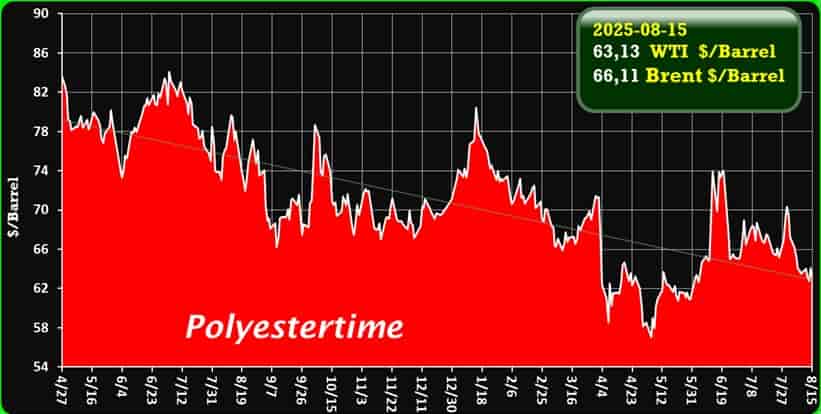
As of today, futures for West Texas Intermediate (WTI) and Brent crude are trading slightly lower—around $62.7 and $65.7 per barrel, respectively—hovering near two-month lows.
New EIA data suggests that improved well productivity will push U.S. crude output to record levels, approaching 13.6 million bpd in December 2025. On an annual basis, U.S. production is expected to average 13.4 million bpd in 2025 and 13.3 million bpd in 2026. Recycled Thermoplastic
Key Takeaways
- Brent crude could average $50 per barrel in early 2026.
- OPEC+ production hikes are adding to global supply pressures.
- IEA has cut demand growth forecasts, citing weak economic conditions.
- U.S. production is set to reach record highs in late 2025.
- Market rebalancing is expected later in 2026 as low prices curb output.
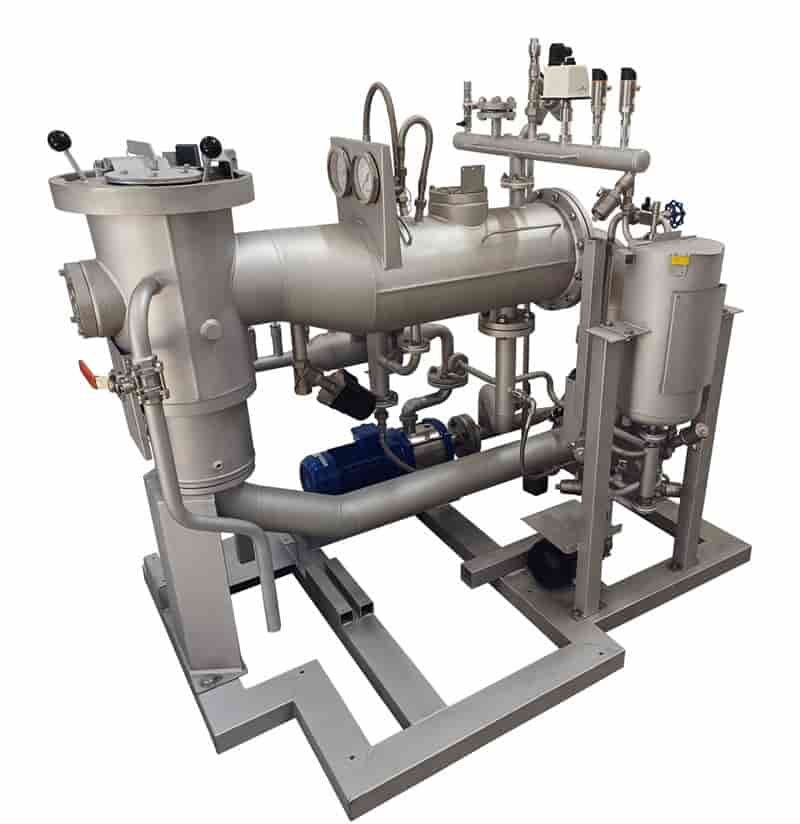
? LAIP Unveils MINI JET: The Smart Revolution in In-House Fabric Sampling
LAIP, the respected Italian manufacturer of advanced dyeing machines, is set to make waves at ITMA ASIA 2025 in Singapore. The company will debut its latest innovation — MINI JET — a compact yet powerful smart dyeing solution designed to reshape how textile manufacturers manage fabric sampling.
Visitors to the event can explore the MINI JET firsthand at Hall H7 – Booth A305, where LAIP will showcase why this machine is not just a new product, but a new standard for sampling efficiency and precision. Recycled Thermoplastic
? The Growing Need for Smart In-House Sampling
In a textile industry increasingly defined by speed, customization, and sustainability, in-house control over sampling processes is becoming essential. Outsourcing lab dips to external suppliers can introduce delays, added costs, and potential inconsistencies.
The MINI JET eliminates this dependency. By enabling textile producers to carry out full sampling operations internally, it shortens product development cycles, ensures tighter quality control, and offers direct savings in both time and resources.
? Beyond Lab Dips: Real Prototypes, Real Results Recycled Thermoplastic
Traditional lab dips typically test only a few small swatches of fabric — often insufficient for evaluating full garment performance. In contrast, the MINI JET allows dyeing of up to 20 meters per color.
This capacity means manufacturers can produce true-to-life garment prototypes during sampling, assessing:
- ? Color accuracy under realistic production conditions
- ? Fabric behavior during actual garment assembly
- ? Material performance before committing to bulk production
The result: fewer surprises, fewer revisions, and a smoother transition from sample to market-ready product. Recycled Thermoplastic
? Guaranteed Dye Reproducibility
One of MINI JET’s most remarkable strengths is its 100% dye reproducibility. The colors and finishes achieved in the sampling phase can be flawlessly replicated on industrial-scale dyeing machines — no rework, no recalibration, and no costly delays.
Why Reproducibility Matters
- Maintains brand color standards across multiple production runs
- Reduces resource waste from trial-and-error adjustments
- Speeds up time-to-market by removing duplication of effort
⏱ Cutting Sampling Time by Half
MINI JET delivers fast dyeing cycles that save up to 50% of processing time compared to traditional methods. This acceleration enables:
- ? More sample tests per day for rapid product iterations Recycled Thermoplastic
- ? Faster product launches to meet seasonal trends
- ⚡ Greater operational agility for responding to urgent orders
In a market where speed and flexibility often dictate competitiveness, these gains can be a decisive advantage.
? Industry 4.0 Ready
True to LAIP’s forward-thinking approach, the MINI JET is fully Industry 4.0 enabled. The machine integrates seamlessly with advanced digital systems, offering:
- ? Remote monitoring for real-time performance insights
- ? Data analytics to optimize dyeing recipes and workflows
- ? Process traceability for compliance and quality assurance
This digital connectivity supports predictive maintenance, production planning, and sustainability reporting — aligning with the future of smart manufacturing.
? Sustainability and Efficiency in One Recycled Thermoplastic
MINI JET isn’t just about speed and control — it’s also about reducing environmental impact. By optimizing dyeing cycles and improving reproducibility, the machine minimizes:
- ? Water usage
- ⚡ Energy consumption
- ? Waste from rejected or flawed samples
These efficiencies contribute to lower operational costs and stronger environmental performance — increasingly critical in a global textile market under sustainability scrutiny.
? Strategic Benefits for Textile Producers Recycled Thermoplastic
Integrating MINI JET into an in-house sampling process can yield tangible competitive advantages:
- Faster market response for trend-driven designs
- Consistent color quality from sample to bulk
- Lower costs through reduced outsourcing
- Enhanced control over proprietary dyeing processes
For brands and manufacturers aiming to boost agility without compromising quality, MINI JET offers a clear path forward.
? Debut at ITMA ASIA 2025
The official unveiling of MINI JET will take place at ITMA ASIA 2025 in Singapore. Attendees can see the machine in action and consult LAIP’s experts at:
? Hall H7 – Booth A305 Recycled Thermoplastic
ITMA ASIA serves as the perfect stage for MINI JET’s debut, bringing together global leaders in textile technology and manufacturing innovation.
? Official Statement from LAIP
“With MINI JET, we are delivering a solution that combines speed, accuracy, and sustainability. It empowers textile producers to take full control of their sampling process, ensuring the highest quality from the very first prototype.”
? Conclusion
The launch of MINI JET marks a pivotal innovation in textile sampling technology. By combining compact design, industrial-level performance, 100% reproducibility, and Industry 4.0 connectivity, LAIP is offering textile manufacturers a way to accelerate development cycles, improve consistency, and reduce environmental impact.
For any company aiming to stay competitive in the fast-moving textile industry, MINI JET is more than a new machine — it’s a strategic advantage. Recycled Thermoplastic
Source: LAIP Official Website
? Avantium Secures Strategic Funding Boost with Lender Support
Avantium N.V., a leader in renewable and circular polymer materials, has announced a significant step in its long-term funding journey. The company has reached a conditional agreement with its core lenders — ABN AMRO, ASN Bank, ING, Invest-NL, and Rabobank — to extend and amend its Senior Debt Financing Agreement. This milestone is tied to a planned equity raise in September 2025.
As part of this strategic timeline, Avantium will delay the release of its 2025 Half-Year Results. Instead of publishing on 13 August 2025, the results will be unveiled alongside the equity raise prospectus in September. Recycled Thermoplastic
? The Comprehensive Funding Package
The company’s funding vision is designed to accelerate its path to profitability while safeguarding financial stability. Avantium’s plan combines:
- Government investments
- Fresh equity capital
- Revised and extended debt agreements
The cornerstone of this strategy is the new agreement with lenders, which will only take effect if the equity raise is successful. Once completed, Avantium will cancel the remaining €14.1 million debt commitment in exchange for improved loan terms. These terms aim to preserve cash through lower interest rates and reduced repayment obligations. Recycled Thermoplastic
Key Amendments at a Glance:
- ? Loan Maturity Extension: New maturity date set to 30 June 2028 (previously 31 March 2026).
- ? Lower Interest Rates: Part of cash interest converted to payment-in-kind (PIK), tied to milestone achievements.
- ? Warrants Issuance: Approximately €2.5 million in warrants based on Avantium’s 30-day VWAP ending 12 August 2025.
- ? Lock-up Period: Warrants (excluding ASN) locked for 180 days after equity raise completion.
? The September 2025 Equity Raise
Avantium’s planned equity raise is the next major step in its capital strategy. The company has already secured conditional backing from Invest-NL, which will act as an underwriter. Discussions are ongoing with other financial institutions and investors to lock in further underwriting and pre-commitment agreements. Recycled Thermoplastic
Full details of the equity raise, including structure, pricing, and allocation, will be disclosed in the upcoming prospectus scheduled for September 2025.
? Strategic Rationale and Market Context
The renewable materials sector is undergoing rapid transformation. Global demand for circular and sustainable polymers is expanding as brands and governments push for reduced environmental footprints. Avantium’s technology positions it as a key enabler in this shift, offering alternatives to fossil-based plastics. Recycled Thermoplastic
The extended maturity date and lower cost of debt provide Avantium with breathing room to scale operations without the immediate pressure of short-term repayments. This, combined with the equity raise, is expected to strengthen the balance sheet and support ongoing innovation projects.
? Official Statement
According to Avantium’s official announcement:
“The extension and amendment of our Debt Financing Agreement, together with the planned equity raise, represent crucial steps toward our long-term profitability and strategic growth. We are grateful for the ongoing support of our lenders and partners.” Recycled Thermoplastic
? Conclusion
Avantium’s strategic funding update signals a period of financial strengthening and market readiness. With lender backing, government involvement, and a targeted equity raise, the company is positioning itself for growth in a rapidly expanding renewable materials market.
Investors and industry stakeholders will be watching closely as September 2025 approaches, bringing with it critical updates, financial disclosures, and the launch of a new phase in Avantium’s journey toward a sustainable, profitable future.
Source: Avantium.com
? SIBUR Unveils High-Performance mLLDPE for Next-Gen FMCG Packaging
Published: August 15, 2025
? A New Chapter in Polymer Innovation Recycled Thermoplastic
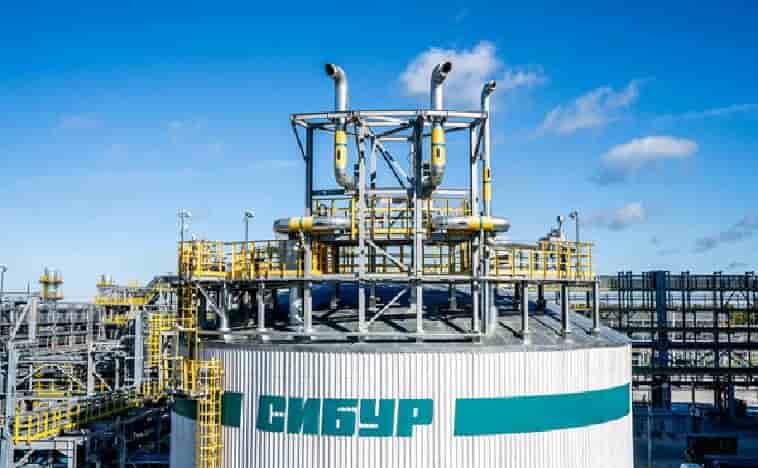
SIBUR, Russia’s largest polymer producer, has announced the development of a cutting-edge metallocene linear low-density polyethylene (mLLDPE) grade tailored for the fast-moving consumer goods (FMCG) sector. This new grade, mLL20183 FE, is designed to meet the high-performance needs of modern packaging — from barrier and lamination films to dairy packaging and stretch films for secure wrapping.
Backed by SIBUR’s R&D expertise and created in collaboration with leading packaging manufacturers, the new polymer combines strength, flexibility, and sealing excellence — qualities that make it competitive with international alternatives and attractive for both domestic and export markets.
? Key Features That Redefine Packaging
- ? Exceptional Strength – Enhanced resistance to tearing and punctures.
- ? Superior Sealing – Ensures product safety and freshness.
- ♻️ Process Efficiency – Optimized for blown film lines, reducing waste and downtime. Recycled Thermoplastic
- ? Global Competitiveness – Matches the quality of foreign-made mLLDPE.
- ? Seamless Grade Transition – Reduces operational costs during production changes.
With these advantages, film manufacturers can deliver more reliable, cost-effective, and environmentally conscious packaging solutions.
? The Science Behind mLLDPE
Metallocene polyethylene is produced using metallocene catalysts — specialized additives based on zirconium or titanium. These catalysts allow precise control over polymer structure, resulting in:
- ? Higher Strength – Improved tensile properties for durable films.
- ? Enhanced Clarity – Greater transparency for retail display packaging.
- ? Superior Flexibility – Suitable for diverse product shapes and uses.
In essence, mLLDPE brings a blend of performance and efficiency that conventional polyethylene grades struggle to match. Recycled Thermoplastic
? Production at Nizhnekamskneftekhim
SIBUR currently manufactures metallocene polyethylene at the Nizhnekamskneftekhim production complex. This facility is already a cornerstone of Russia’s polymer industry and is now being positioned for significant expansion.
By 2028, SIBUR plans to fully modernize production by building a new plant with a capacity of up to 300,000 tonnes annually. This ambitious project not only aims to meet domestic demand but also unlocks major export opportunities for premium-grade polymers.
? Export Potential and Market Outlook
The FMCG packaging market is undergoing rapid transformation driven by consumer expectations for better product preservation, sustainability, and design appeal. SIBUR’s mLL20183 FE aligns with these demands, offering a premium-grade polymer that can serve industries worldwide. Recycled Thermoplastic
Its properties make it suitable for Europe, Asia, and the Middle East, where the demand for high-performance films is accelerating due to e-commerce growth and stricter packaging standards.
? Why This Matters for FMCG Brands
For FMCG brands, packaging is more than just a container — it’s a marketing tool and a quality guarantee. Using advanced materials like mLLDPE can result in:
- Reduced material usage without compromising strength ✅
- Lower production costs through faster line speeds ⏱️
- Extended product shelf life through better sealing ?️
- Improved consumer trust and brand perception ? Recycled Thermoplastic
? Technical Performance Summary
| Property | mLL20183 FE | Benefit |
|---|---|---|
| Tensile Strength | High | Withstands mechanical stress |
| Sealing Temperature Range | Wide | Enables diverse packaging applications |
| Clarity | Excellent | Better product visibility |
| Processability | Optimized | Faster production with fewer defects |
? The Future of Packaging Innovation
SIBUR’s investment in metallocene technology reflects a larger trend: packaging materials are becoming smarter, stronger, and more sustainable. As the global supply chain adapts to e-commerce, regulatory shifts, and consumer awareness, advanced polymers like mLL20183 FE will play a crucial role in defining packaging standards for the next decade.
♻️ Multimaterial Additive Manufacturing of Recycled Thermoplastic Composites
By embracing advanced 3D printing techniques, engineers are unlocking the full potential of recycled thermoplastic composites—reducing waste, improving efficiency, and pushing the circular economy forward. Recycled Thermoplastic
? Why Recycling Thermoplastic Composites Matters
Every year, Europe produces around 2.2 million tonnes of composite materials. These materials, prized for their strength-to-weight ratio, are used in everything from automotive parts to aerospace structures. But when they reach the end of their life, the question becomes: what next?
In a circular economy, composites should be treated as valuable resources, not disposable waste. Recycling them extends their usefulness, reduces raw material extraction, and helps industries meet sustainability goals.
However, there’s a catch—recycling thermoplastic composites often leads to weaker mechanical properties. Sorting, cleaning, and reprocessing can also introduce contamination, making industrial reuse difficult. Recycled Thermoplastic
? A Winning Idea at JEC World 2025
The Sampe Young Engineer’s Challenge (YEC) winners at JEC World 2025 tackled this exact problem. Their solution? Use multimaterial additive manufacturing to strategically place recycled composites only where they’re most effective.
By combining this with Finite Element Analysis (FEA), engineers can determine which parts of a component experience high stress and which don’t. Recycled materials go in low-stress regions, while virgin composites are reserved for high-performance zones.
?️ How Multimaterial Additive Manufacturing Works
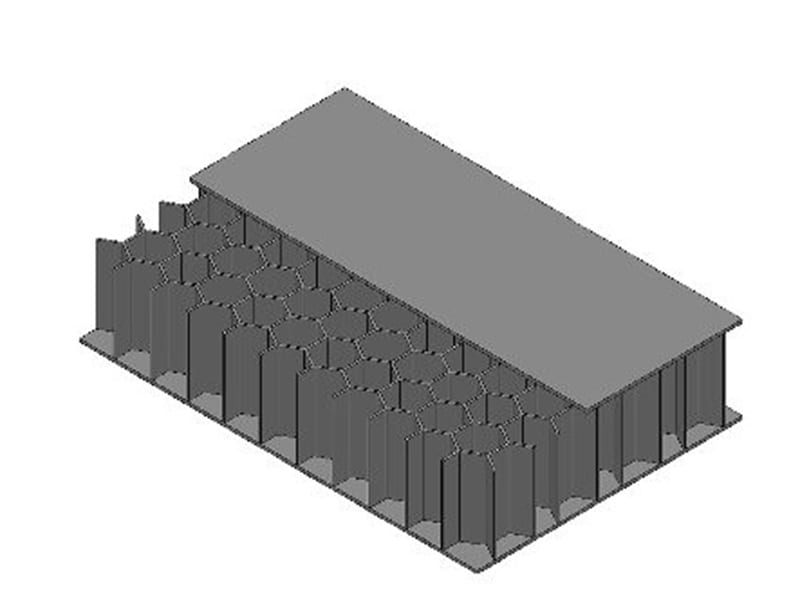
Also known as material extrusion additive manufacturing or simply 3D printing, this process involves melting short-fibre-reinforced thermoplastics and depositing them layer by layer to create a finished component in one step.
Benefits include:
- ? Design flexibility – Complex shapes can be produced without expensive tooling.
- ♻️ Waste reduction – Only the needed material is used.
- ? Sustainable feedstock – Recyclable or bio-based polymers can be used.
- ⚡ Fast iteration – Prototypes and production runs can be adjusted quickly.
? The Science Behind the Strategy
This innovation comes from a joint research effort at the Laboratory for Multiscale Mechanics (LM2), part of the Department of Mechanical Engineering at Polytechnique Montréal, Canada. Recycled Thermoplastic
The team includes experts in:
- Additive manufacturing – Prof. Daniel Therriault
- Modelling and simulation – Prof. David Mélançon
- Smart materials & structures – Prof. Sampada Bodkhe
- Slender structure mechanics – Prof. Frédérick Gosselin
- Multiscale mechanics – Prof. Martin Lévesque
LM2 is collaborating with the Poly Circle X.0 laboratory, led by Prof. Samira Keivanpour, focusing on resource circularity and sustainable engineering.
? Life Cycle Assessment (LCA)
To ensure environmental gains are real, the team uses Life Cycle Assessment—evaluating environmental impacts from raw material extraction all the way to end-of-life, including recycling and landfill scenarios. Recycled Thermoplastic
This holistic view is essential for proving that multimaterial AM isn’t just clever engineering—it’s a genuine sustainability solution.
? Targeted Use of Recycled Composites
Instead of replacing all virgin material with recycled composites, the strategy focuses on:
- Running FEA simulations to map stress distribution.
- Identifying low-stress regions suitable for recycled composites.
- Maintaining virgin composites in high-stress areas for safety and performance. Recycled Thermoplastic
By matching material type to performance requirement, engineers can lower environmental impact while maintaining structural reliability.
? Conclusion: Engineering a Sustainable Future
Multimaterial additive manufacturing offers a smart, targeted, and eco-friendly way to integrate recycled thermoplastic composites into production. By strategically placing recycled material where performance demands are lower, manufacturers can cut waste, reduce carbon footprint, and still meet industry standards.
This isn’t just a research project—it’s a glimpse into a future where engineering innovation meets environmental responsibility. Recycled Thermoplastic
♻️ Reuse smart. Print smart. Build smart.
♻️ Herma Expands Certified Wash-Off Label Portfolio for PET & HDPE Recycling
Herma, the German adhesive technology leader, is taking another step toward a circular plastics economy by expanding its certified wash-off self-adhesive materials to include both PET and HDPE packaging streams. This enhanced portfolio will make its official debut at Labelexpo Europe 2025 in Barcelona — marking the first time Herma will present its complete certified range in one place. Recycled Thermoplastic
? Why Wash-Off Labels Matter in Recycling
Labels are often overlooked in discussions about packaging recyclability, yet they can have a major impact on whether a plastic container can be effectively recycled. If labels and adhesives can’t be removed cleanly during the recycling process, they can contaminate the recovered material — lowering quality and reducing reuse potential.
Herma’s wash-off technology addresses this challenge head-on. By ensuring labels can be fully separated from PET and HDPE packaging during washing stages — even in cold water — the company supports more efficient recycling and helps packaging achieve higher-quality reuse grades. Recycled Thermoplastic
? New Certifications from Cyclos-HTP
The independent recycling institute Cyclos-HTP has granted certifications to multiple label material and adhesive combinations in Herma’s updated portfolio. At the heart of these solutions is the company’s 72Hpw adhesive — a versatile, cost-competitive adhesive designed for recyclability without compromising performance.
For HDPE Packaging:
- ✅ Five labeling materials certified with 72Hpw adhesive
- ? Designed for safe removal in cold wash processes
- ♻️ Compatible with rigid HDPE recycling streams
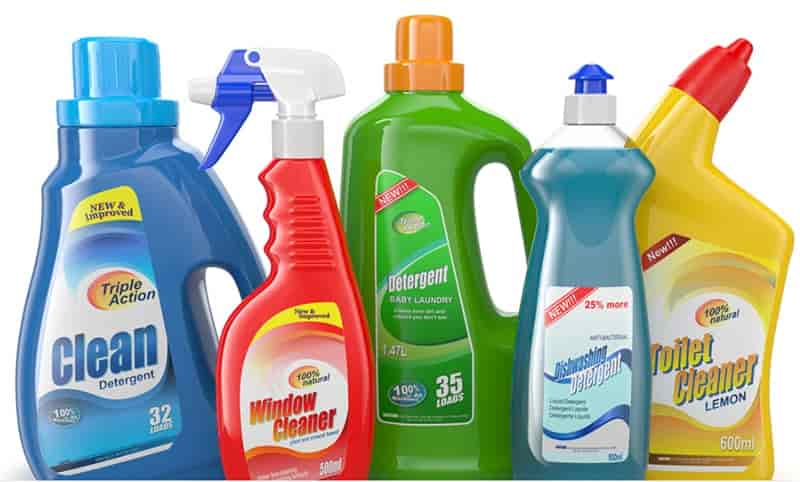
These certifications ensure that labels used on products like shampoo bottles, detergent containers, and milk jugs can be removed without residue, allowing the plastic to be processed cleanly. Recycled Thermoplastic
? PET Packaging Certifications
For PET packaging, Cyclos-HTP has certified twelve combinations of the 72Hpw adhesive with different label materials, including:
- ? Paper labels
- ? PE films
- ? PP films
These certifications apply to recycling paths 5, 5a, and 5b — which cover:
- Transparent PET bottles
- Other PET bottle types
- PET trays
This means everything from water bottles to ready-meal trays can now benefit from labels that won’t interfere with recycling quality. Recycled Thermoplastic
? Recognition from RecyClass & KIDV
Herma’s recyclability credentials go beyond Cyclos-HTP:
- ? RecyClass Letter of Compatibility — Awarded for one self-adhesive material in the portfolio, confirming compliance with strict recyclability standards.
- ?? Positive KIDV (Verpact) Assessment — Granted to two PP films with respect to HDPE recycling compatibility.
These recognitions are crucial for brand owners selling in multiple markets, as they provide internationally recognized validation of recycling performance.
? Official Statement from Herma
“Our self-adhesive materials are developed so that they reliably enable labels to be separated from the appropriate packaging,” said Dr. Stefan Kissling, Head of Adhesive and Special Coatings at Herma. “This is a key prerequisite for a closed plastics cycle.” Recycled Thermoplastic
? Cost-Competitive & Ready to Ship
While many sustainability solutions come at a premium, Herma’s 72Hpw adhesive is comparable in price to standard adhesives. In addition:
- Many certified materials are available from stock
- Supplied in standard net width ranges
- Can be implemented quickly by label printers
- Ideal for brand owners needing rapid adoption
These practical advantages mean recyclability upgrades can be rolled out without long lead times or major operational changes. Recycled Thermoplastic
? Benefits for Label Printers & Brand Owners
By choosing Herma’s certified wash-off materials, businesses can:
- Meet tightening regulatory requirements for recyclability
- Enhance brand sustainability credentials
- Reduce contamination risks in recycling streams
- Improve material recovery quality
In an era where Extended Producer Responsibility (EPR) laws are gaining ground, adopting certified wash-off labels is both a compliance measure and a market differentiator. Recycled Thermoplastic
? Sustainability Impact
Wash-off labels help create a closed-loop plastics cycle by enabling PET and HDPE materials to be recycled into high-quality feedstock for new products — not just downcycled into lower-grade materials.
This supports the EU’s recycling targets and responds to consumer demand for packaging with a demonstrable environmental benefit.
? Showcase at Labelexpo Europe 2025
Herma will present its full certified portfolio at Labelexpo Europe 2025 in Barcelona, giving visitors the opportunity to:
- View the complete certified PET & HDPE range
- Discuss technical details with Herma’s experts
- Explore integration options for specific packaging lines Recycled Thermoplastic
Event Details:
? Labelexpo Europe 2025, Barcelona
? September 2025
? Conclusion
With its expanded certified wash-off portfolio, Herma is setting a new benchmark for sustainable labeling in PET and HDPE packaging. Backed by independent certifications and designed for cost-effective adoption, these solutions empower brands and label printers to improve recyclability without compromising efficiency or aesthetics.
By showcasing the range at Labelexpo Europe 2025, Herma is signaling its commitment to innovation, compliance, and environmental stewardship — a move that aligns with the growing demands of both regulators and eco-conscious consumers.