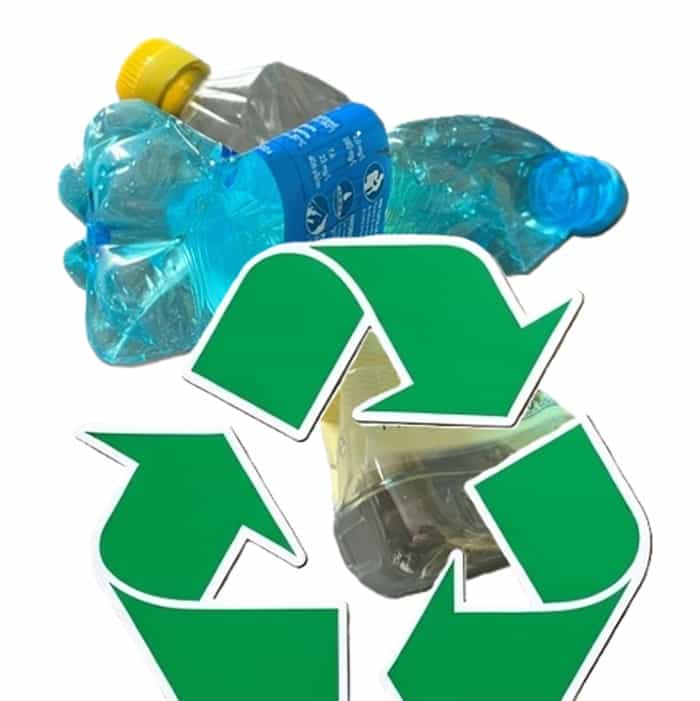
Specialty Polymers – Werner & Mertz Breaks Record: 1 Billion Bottles Made from 100% Recycled Plastic Werner & Mertz, the German eco-innovator behind brands like Frosch, reached a sustainability milestone that made history: the company has now introduced over one billion bottles made entirely from post-consumer recycled plastic (rPET) to the market 28-06-2025 - Archive
Evonik Boosts Polybutadiene Production in Asia with Shanghai Expansion
Evonik, a global leader in specialty chemicals, is taking a significant step to reinforce its supply chain resilience and customer service in Asia. The company has announced the localization of the final production phase of POLYVEST® ST-E 60 in Shanghai, China, with full operations expected by Q3 2025.
This move is part of a broader strategy to enhance regional supply security and support the growing demand for high-performance, silane-functionalized polybutadienes—materials essential for a wide range of industrial applications.Specialty Polymers
Strengthening Market Position with Local Capacity
Evonik’s decision to expand local production is a strategic response to the increasing demand in Asia for specialized rubber additives. The newly added capacity will support applications in:
- Tires and rubber compounds
- Adhesives and sealants
- Industrial coatings
These sectors rely heavily on POLYVEST® for its role as a reactive plasticizer, offering superior compatibility with rubber matrices, particularly in tire tread formulations. This expansion not only underlines Evonik’s technical leadership but also ensures customers receive faster delivery and more secure sourcing. Specialty Polymers
Localized Supply Chain for Greater Resilience
“This strategic investment will enhance our production capabilities and ensure that our customers in Asia benefit from improved supply security and shorter lead times,” said Dr. Anna Maria Ickert, Head of Evonik Coating & Adhesive Resins.
The Shanghai facility will serve as a critical hub for regional distribution, reducing dependence on long-distance logistics and enabling Evonik to respond more nimbly to evolving market needs. Specialty Polymers
Supporting Growth and Sustainability
“This expansion aligns with our long-term strategy to strengthen our global footprint while maintaining a strong focus on sustainability and operational excellence,” added Dr. Jürgen Herwig, who leads the polybutadienes and specialty acrylics business.
With this new capacity, Evonik is well-positioned to help customers achieve their commercial and environmental goals. The facility is designed with modern technologies that support efficient energy use and environmentally responsible operations, reinforcing the company’s sustainability pledge. Specialty Polymers
Why This Matters for Industry Stakeholders
For manufacturers of tires, adhesives, and coatings, Evonik’s move means:
- Greater supply reliability amid global logistics uncertainty
- Faster lead times and regional customization
- Improved access to high-quality materials for performance-critical products
As Asia continues to be a driving force in global manufacturing, Evonik’s enhanced presence ensures it can partner more closely with clients, delivering value both technically and logistically.
About POLYVEST®: A Smart Fit for High-Performance Formulations Specialty Polymers
POLYVEST® ST-E 60 is part of Evonik’s family of silane-functionalized polybutadienes, prized for their:
- High reactivity
- Compatibility with rubber systems
- Durability and performance under stress
Used widely in automotive, infrastructure, and industrial applications, these additives are pivotal for durability, flexibility, and adhesion strength.
What’s Next?
With production set to go live by Q3 2025, Evonik is actively preparing for a smooth ramp-up phase. Customers in Asia can expect:
- Local inventory availability Specialty Polymers
- Enhanced customer support
- Proactive supply chain management
This investment marks a key milestone in Evonik’s Asia-Pacific strategy—one that promises to boost operational agility and advance regional growth for years to come.

Werner & Mertz Breaks Record: 1 Billion Bottles Made from 100% Recycled Plastic
Werner & Mertz, the German eco-innovator behind brands like Frosch, reached a sustainability milestone that made history: the company has now introduced over one billion bottles made entirely from post-consumer recycled plastic (rPET) to the market.
This world record is the fruit of a long-term commitment to circular packaging and sustainable innovation that began more than a decade ago. Specialty Polymers
The Recyclate Initiative: A Bold Vision Since 2012
Back in 2012, Werner & Mertz launched the Recyclate Initiative, partnering with industry players across the value chain. Their goal? To develop high-quality, closed-loop recycling systems for plastic packaging.
Rather than waiting for market incentives, the company made the first move—investing in rPET despite its higher cost compared to virgin plastic. Their bet paid off. With support from NGOs like NABU, packaging leaders like Alpla and Mondi, and recycling company PreZero, the initiative proved that sustainable packaging on a mass scale is possible.
One Billion Bottles and Counting
The billion-bottle milestone doesn’t just represent a number—it’s a symbol of what can be achieved when innovation meets persistence.
These bottles are made entirely from post-consumer recyclate, sourced from German household recycling streams. Specialty Polymers
Even more impressively, Werner & Mertz is now pushing further: the company will convert all rPET bottles for its Frosch brand to use 100% Yellow Bag plastic—recyclable waste collected directly from German homes.
This material is traditionally seen as low-value due to inconsistent quality, but the company’s in-house experts and strict quality controls at sorting facilities have changed the game.
Sustainability That Doesn’t Sacrifice Quality
For Werner & Mertz, sustainability doesn’t mean compromise. According to owner Reinhard Schneider, the company is committed to offering high-performing, eco-friendly products without sacrificing quality or user experience.
“We are not making ascetic products for a niche market. We specialize in making a sustainable lifestyle achievable for the majority,” Schneider said during the record celebration in Berlin. Specialty Polymers
This approach blends cheerful branding, market reach, and effective resource efficiency—proving that being green and mainstream can go hand in hand.
From Waste to High-Quality Packaging
How is this level of recycling even possible?
The answer lies in technical precision and collaboration. Werner & Mertz and its partners regularly inspect and evaluate plastic bales arriving at recycling plants. Their hands-on knowledge of the Yellow Bag waste stream fuels continuous improvements in the recycling process.
This level of engagement has enabled them to achieve something few others have: turning household plastic waste into cosmetic-grade packaging—a major leap forward in recycling standards. Specialty Polymers
Calling for Political Action
Despite these advances, the use of post-consumer recyclate in packaging remains rare among manufacturers. Why? Not due to technology—but due to unfair market conditions.
Plastics made from crude oil are still cheaper, creating a major hurdle for companies looking to use recycled alternatives. That’s why Werner & Mertz, alongside partners and NGOs, continues to pressure policymakers in Berlin and Brussels.
They’re advocating for legislation that levels the playing field, encouraging more widespread adoption of circular economy practices.
Final Thoughts
Werner & Mertz’s billion-bottle benchmark is more than just a corporate achievement—it’s a powerful case study in what’s possible when environmental values are taken seriously. Specialty Polymers
By turning household plastic waste into high-quality, everyday products—and doing so at scale—they’ve set a new global standard for sustainability in packaging.

Sabic Shuts Down Teesside Plant After 46 Years – Hundreds of Jobs at Risk
In a major blow to the UK’s industrial heartland, Sabic has confirmed it will permanently close its Olefins 6 cracker plant in Wilton, Teesside — putting hundreds of jobs in jeopardy.
A Legacy Ends After Nearly Five Decades
Sabic, one of the world’s largest petrochemical manufacturers, has officially announced the shutdown of its flagship Teesside plant after 46 years of operation. The Saudi-owned company has cited a “thorough analysis aimed at optimising competitiveness” as the reason behind the closure. Specialty Polymers
The facility — known as Olefins 6 — has been a critical piece of Teesside’s chemical industry, producing ethylene, a vital raw material used across a wide range of plastic and industrial products.
Hundreds of Jobs at Stake
The plant currently employs around 330 people, but the exact number of layoffs remains uncertain. The news has sent shockwaves through the local workforce and trade unions.
Union leaders have called the decision a betrayal. According to Sharon Graham, General Secretary of Unite:
“It is a disgrace that valued workers are being threatened with redundancy by a profitable company.” Specialty Polymers
Profit vs. People?
Sabic made nearly £300 million in net profit last year, yet the company still plans to cut its Teesside operations — sparking outrage among workers and unions. Reports from May also hinted that Sabic may be looking to sell off its European petrochemicals division, citing pressure from surging energy costs across the continent.
A Site Left in Standby Mode
The Olefins 6 plant had already been offline since late 2020. There were initial plans to revamp the facility to run on gas feedstocks, transitioning from previous fuel sources. However, those plans never materialized into a restart.
Unite noted that employees were being paid to maintain the site in a condition ready for reactivation, raising further questions about the timing and motivation behind the closure. Specialty Polymers
A Broader Industrial Footprint
While the Olefins 6 cracker is the centerpiece of the announcement, Sabic’s footprint in the Teesside area also includes:
- Chemical, fertilizer, and plastics production units
- Logistics and storage hubs in North Tees and Teesport
It’s unclear at this stage how those other operations will be affected, but the ripple effects of the closure are likely to spread far beyond just Wilton.
“A Devastating Blow”
Fazia Hussain-Brown, a regional officer for Unite, voiced the union’s alarm over the potential fallout:
“The loss of so many jobs is a devastating blow. There are very few options for redeployment or alternative work in the area.” Specialty Polymers
Hussain-Brown also stressed that the news has sparked deep anger and frustration among employees, many of whom have spent years — if not decades — at the site.
What’s Next?
As the closure moves forward, attention will now turn to:
- Job support and redeployment options for affected workers
- The future of Sabic’s remaining UK operations
- Potential government or local authority interventions
The Teesside region, already grappling with the decline of traditional heavy industry, now faces another challenge as it works to rebuild its manufacturing base and secure new investment. Specialty Polymers

Borealis and AnQore Partner to Drive Circular Innovation in Acrylonitrile
Borealis and AnQore have joined forces to revolutionize the acrylonitrile (ACN) value chain, pushing the boundaries of sustainability and circularity in the chemical industry. This strategic partnership marks a significant step toward reducing the environmental impact of essential materials used in everyday products—from cars and electronics to water treatment systems.
A Sustainable Shift with Borvida™ B-Propylene
At the heart of this collaboration is Borvida™ B-propylene, a renewable feedstock developed by Borealis. Derived from ISCC PLUS-certified non-food waste biomass, this innovative material is chemically identical to conventional propylene but offers a significantly lower carbon footprint. Specialty Polymers
AnQore uses Borvida™ B-propylene to produce Econitrile-MB™, the world’s first mass-balanced, sustainable acrylonitrile. This breakthrough product enables manufacturers to maintain high performance while dramatically improving the sustainability of their supply chains.
What Makes Borvida™ Special?
Borvida™ B-propylene is part of the broader Borvida portfolio, which includes renewable and circular base chemicals. These materials:
- Match the performance of fossil-based alternatives
- Reduce reliance on virgin fossil resources
- Are traceable through a Mass Balance Chain of Custody model, ensuring transparency from source to final product
This traceability is key to verifying the circular content and supporting sustainability claims across the value chain.
Econitrile-MB™: A Game-Changer for Sustainable Manufacturing
Econitrile-MB™, produced using Borvida™ B-propylene and sustainable ammonia, has been in production for several years. It offers a carbon footprint reduction of up to 90% per kilogram compared to traditional acrylonitrile. Specialty Polymers
This makes it an ideal solution for manufacturers of:
- ABS plastics
- Acrylamide
- Carbon and acrylic fibers
- Nitrile rubber
- Surfactants
- And other advanced materials
By switching to Econitrile-MB™, producers can significantly enhance the sustainability of their products without compromising on quality or performance.
Industry Leaders Speak Out
“At AnQore, we’re striving to make the value chains for our specialist chemicals more sustainable, and that starts with the raw materials. Thanks to our partnership with Borealis, we’re proud to offer the world’s first circular, mass-balanced acrylonitrile.”
“This partnership shows that by working together across the value chain, we can unlock the value of waste. With AnQore, we’re developing innovative, high-performance solutions that support customers’ sustainability goals and help them prepare for future sustainable transformation.”
About the Partners
AnQore is a leading European producer of acrylonitrile and other key chemical building blocks. Based at the Chemelot Chemical Park in Geleen, the Netherlands, AnQore is committed to delivering safe, secure, and sustainable solutions for industries ranging from water treatment to automotive and electronics. Specialty Polymers
Borealis is a global leader in advanced and sustainable polyolefins and base chemicals. Through its We4Customers strategy, Borealis empowers partners like AnQore with access to high-quality, circular materials and the flexibility to meet evolving market demands.

Indorama Ventures and PolySource Team Up to Deliver Next-Gen Specialty Polymers
Indorama Ventures Public Company Limited, a global leader in sustainable chemical solutions, has announced a strategic distribution partnership with PolySource, a top-tier distributor of high-performance polymer solutions. This collaboration, launched under Indorama Ventures’ Combined PET (CPET) segment, marks a significant milestone in the company’s global expansion in specialty polyesters.
As part of the agreement, PolySource becomes an authorized distributor of Indorama Ventures’ specialty PET and PEN polymers across North America and selected global markets. Specialty Polymers
Powering Innovation Across Critical Industries
This alliance opens new pathways for delivering cutting-edge specialty polymers to industries where performance, compliance, and innovation are essential. These include:
- ? Cosmetics – packaging solutions that demand high clarity and durability
- ? Medical – precision-engineered polymers for safe, regulatory-compliant applications
- ? Electronics – heat- and impact-resistant materials for advanced components
- ?️ Defense – robust, high-strength polymers for mission-critical gear
- ⚙️ Industrial – tailored materials for complex, high-demand use cases
“We’re delighted to partner with PolySource, a company that mirrors our passion for innovation and customer success,” said Marc Potemans, Head of Specialty Chemicals at Indorama Ventures. “This agreement gives customers easier access to our most advanced polyesters—backed by technical support and the proven reach of PolySource.” Specialty Polymers
Key Benefits for Customers
Broader Access to Premium Materials
Indorama Ventures’ advanced co-polyesters are now available through PolySource’s robust distribution network, ensuring faster sourcing and delivery.
Expert Application Support
PolySource’s technical team will assist customers with formulation guidance and application development, helping reduce time-to-market for innovative products.
Customized Solutions
From high-clarity cosmetics packaging to thermal-resistant electronics, this partnership brings a range of specialty materials designed to solve specific industry challenges. Specialty Polymers
Shared Vision for Smarter Material Solutions
“Indorama Ventures offers some of the highest-performing polyesters available today,” said Damien Couch, Chief Development Officer at PolySource. “With our expertise in application development, we’re excited to help engineers and designers find smarter solutions across advanced sectors.”
What’s Next?
The agreement took effect in June 2025, with both companies already working in sync to execute a joint go-to-market strategy and build stronger customer engagement.
This collaboration highlights Indorama Ventures’ ongoing commitment to:
- ? Sustainable and innovative materials
- ? Customer-focused distribution strategies
- ?️ Tailored solutions for advanced applications Specialty Polymers
Together, Indorama Ventures and PolySource are positioned to accelerate innovation in sectors where materials truly make the difference.

? Electric Cars with 5,000 KM Range? The Future Is Closer Than You Think
A revolution in sustainable mobility is on the horizon. Imagine electric vehicles (EVs) capable of traveling up to 5,000 kilometers on a single charge—enough to drive across entire countries without stopping. This breakthrough could soon be a reality, thanks to a groundbreaking battery technology developed by researchers from South Korea’s Pohang and Sogang universities. Specialty Polymers
The team, led by professors Soojin Park, Youn Soo Kim, and Jaegeon Ryu, has unveiled a revolutionary lithium-ion battery design.
Their innovation could redefine the limits of electric vehicle autonomy, transforming the future of transportation.
The Innovation Behind the Range
At the heart of this advancement lies a clever combination: a silicon-based anode paired with a next-generation polymer binder.
Why silicon? Compared to traditional graphite, silicon can store up to 10 times more energy. That’s a game-changer for EV batteries. Specialty Polymers
However, silicon has always posed one major problem—it expands when it absorbs lithium. This expansion causes instability, leading to shorter battery life and performance issues.
To tackle this, the researchers engineered a high-performance polymer binder. It leverages hydrogen bonds and Coulomb forces to stabilize the silicon’s expansion during charging cycles. The result? A robust yet flexible battery structure that can handle higher energy loads without breaking down.
Adding polyethylene glycol into the mix improves lithium-ion flow, enhancing energy density even further.
This combination marks a major leap forward in battery design—one that could make ultra-long-range EVs a reality. Specialty Polymers
Roadblocks to Mass Production
While the innovation is promising, turning lab results into real-world products is never simple.
There are still big questions around industrial scalability. Producing these advanced batteries on a mass scale will require significant investment, equipment upgrades, and technical fine-tuning.
Another challenge? Affordability. These high-performance batteries are likely to be expensive—at least initially.
Whether costs can be brought down to consumer-friendly levels remains to be seen.
And then there’s safety and reliability. The team emphasizes that rigorous testing is required before any market rollout.
These batteries must pass high standards for safety, lifespan, and consistent performance—especially for daily transport applications. Specialty Polymers
What This Means for the EV Market
Despite the hurdles, this breakthrough offers transformative potential for the automotive industry.
If the technology proves viable, it could bring EV range on par with—or even beyond—gasoline-powered cars.
That would remove one of the biggest barriers to EV adoption: range anxiety.
More importantly, it would accelerate the global shift toward clean transportation, slashing carbon emissions and reducing dependency on fossil fuels.
A New Era for Electric Mobility
This innovation from South Korea may very well be the next big leap in electric vehicle evolution. Specialty Polymers
While we’re still a few years away from seeing 5,000 km-range EVs in showrooms, the wheels of change are already in motion.
The message is clear: the future of electric cars is not only electric—it’s supercharged.
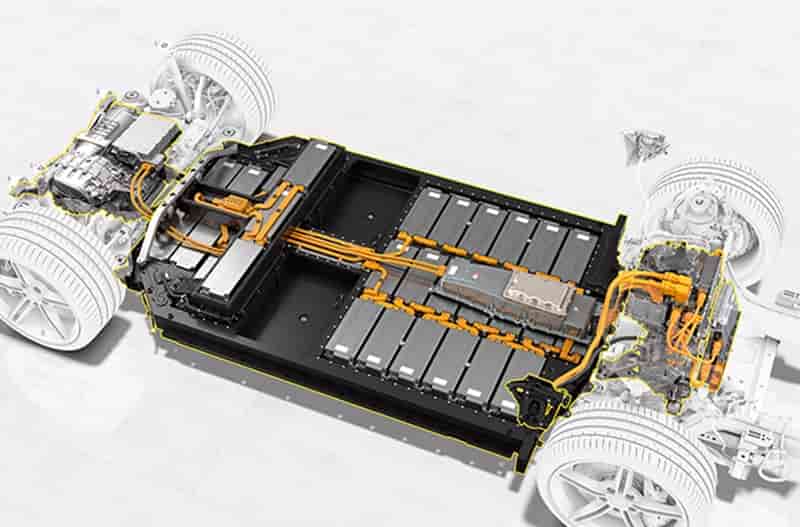
Plug-In Hybrid Cars: A Fading Trend in the Shift to Full Electric
The Rise and Stall of PHEVs
As the auto industry races toward electrification, plug-in hybrid vehicles (PHEVs) have served as a middle ground for hesitant drivers. In early 2025, European PHEV sales rose by 11% compared to the same period in 2024. These cars offer a mix of electric power and traditional combustion, promising lower emissions and flexibility for longer trips.
But the enthusiasm might be short-lived. According to multiple manufacturers and industry analysts, PHEV technology is reaching its peak. While adoption is still climbing, innovation is slowing — and investments are rapidly shifting elsewhere. Specialty Polymers
Complex, Costly, and Near the End of the Road
The limitations of PHEV technology were made abundantly clear during the Automotive News Europe Congress. Yes, some plug-in hybrids now offer over 100 km of electric-only range — a few pushing close to 200 km. But to go beyond that, significantly larger (and more expensive) batteries are needed. That not only raises vehicle costs but also adds complexity to production and repair.
From a manufacturer’s standpoint, the equation no longer makes sense. Why continue investing in a technology that can’t scale economically or technically — especially when full-electric (BEV) models are becoming more affordable and powerful? Specialty Polymers
EVs Are Catching Up (Fast)
Thanks to leaps in battery technology — particularly in energy density and charging speed — EVs are more competitive than ever. The result? Full-electric cars are starting to beat PHEVs at their own game: delivering clean, efficient, and cost-effective driving.
As EVs continue to drop in price, their appeal will only grow. Consumers who once saw plug-in hybrids as a safe bet will soon have fewer reasons to avoid fully electric options.
Tougher Rules Are Coming for PHEVs
If rising costs weren’t enough, regulations are also turning against plug-in hybrids.
Starting this year in Europe, new PHEV models must undergo a stricter WLTP testing protocol that more accurately reflects real-world usage. This change is expected to double the official CO2 emission ratings for many plug-in models — especially those driven without regular battery recharges. Specialty Polymers
Beginning January 1, 2026, even existing PHEV vehicles will face these tougher emissions assessments. This shift will make it harder for automakers to rely on PHEVs to meet fleet-wide emission targets, further tipping the scales toward BEVs.
2028: A Pivotal Year for the Industry
Another major regulatory milestone awaits in 2028. The EU is expected to implement even stricter emissions standards, effectively pushing plug-in hybrids to the margins. By then, the first mass-market vehicles with solid-state batteries should arrive, offering even faster charging, greater range, and longer battery life. Specialty Polymers
These advancements will make intermediate technologies like PHEVs feel increasingly outdated — a temporary fix for a problem that’s rapidly being solved by pure electrics.
The Future Is Fully Electric
In conclusion, while plug-in hybrids served a valuable role in the transition to cleaner mobility, their limitations are becoming more evident. With shrinking performance gains, high production costs, and tighter regulations, the days of PHEVs as a mainstream solution are numbered.
Manufacturers are already shifting their focus. The smart money is on BEVs — not only as a cleaner alternative but also as the most logical investment for a sustainable automotive future.