5 Strategic Moves as US and China Struggle to Reopen Strait of Hormuz
5 Strategic Moves as US and China Struggle to Reopen Strait of Hormuz
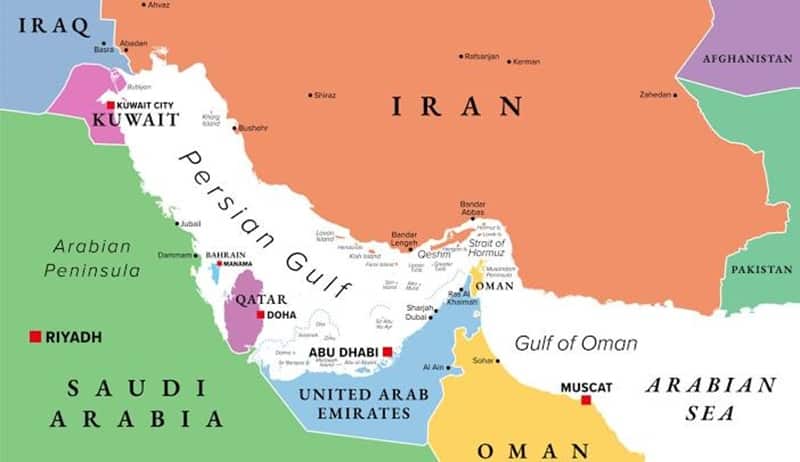
The Strait of Hormuz crisis has rapidly become one of the most serious disruptions to global energy supply in recent years. Following Iranian threats and attacks on shipping, tanker traffic through the narrow waterway has nearly stopped, halting a critical energy corridor responsible for about 20% of the world’s oil flows.
In response, the United States and China are pursuing separate strategies to restore shipments. Both countries depend heavily on Gulf energy exports, but their approaches reveal sharply different geopolitical priorities. The outcome of the Strait of Hormuz crisis could reshape global energy security, influence oil prices for months, and deepen strategic divisions between major powers.
Parallel US and Chinese Strategies Emerge
The Strait of Hormuz crisis has forced both Washington and Beijing to act quickly, though through very different channels.
The United States is pursuing a security-driven strategy. The administration has announced plans to provide government-backed political risk insurance for maritime trade moving through the Gulf. In addition, Washington has signaled its readiness to deploy US Navy escorts to protect tankers passing through the strait.
This combination of military presence and financial support aims to reassure shipping companies and encourage tanker traffic to resume. Strait of Hormuz crisis
China, meanwhile, is relying on diplomacy rather than military intervention. As Iran’s largest oil buyer, Beijing has begun direct negotiations with Tehran to secure safe passage for Chinese crude oil and LNG shipments. Because China maintains close economic ties with Iran, its vessels are not subject to the same restrictions Tehran has imposed on Western-linked ships.
This diplomatic approach could allow China to maintain access to Gulf energy even if Western shipping remains constrained.
Insurance Collapse Triggers Shipping Halt
A key driver of the Strait of Hormuz crisis is not a physical blockade but the sudden collapse of maritime insurance coverage.
London-based insurers that traditionally provide war-risk insurance for vessels in the region withdrew coverage after Iranian threats increased the risk of attacks. Without insurance protection, shipowners cannot legally or financially justify sending vessels into the Gulf.
As a result, many tankers have anchored offshore or left the region entirely. Shipping companies are unwilling to expose vessels worth tens of millions of dollars without coverage.
The United States is attempting to address this gap by stepping in with state-backed insurance. The US Development Finance Corporation is expected to provide political risk coverage for ships willing to resume operations.
This strategy resembles government-supported insurance programs used in other geopolitical crises. If successful, it could restore confidence in shipping markets and reduce the impact of the Strait of Hormuz crisis.
Global Energy Supply Shock Deepens
The impact of the Strait of Hormuz crisis on global energy markets has been immediate and severe.
The strait normally carries between 16 and 20 million barrels per day of petroleum products, along with significant volumes of liquefied natural gas. When tanker movements collapsed, these supplies were effectively frozen.
Shipping data illustrates the scale of disruption. Earlier in the year, roughly 40 tankers passed through the strait each day. At the height of the crisis, traffic dropped to just a single vessel on March 3.
Energy analysts warn that alternative supply sources cannot quickly compensate for the disruption. Even if US shale production increases in the coming months, the additional output will be small compared with the scale of lost Gulf exports.
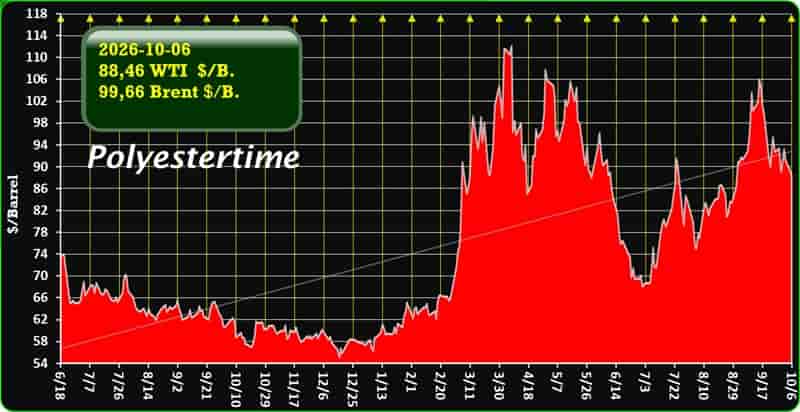
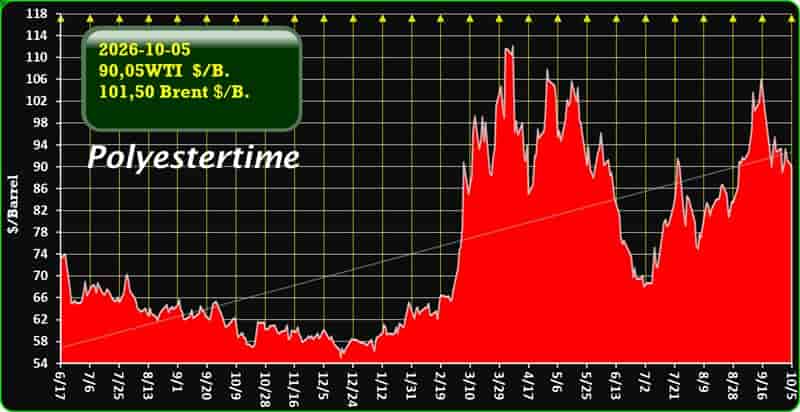
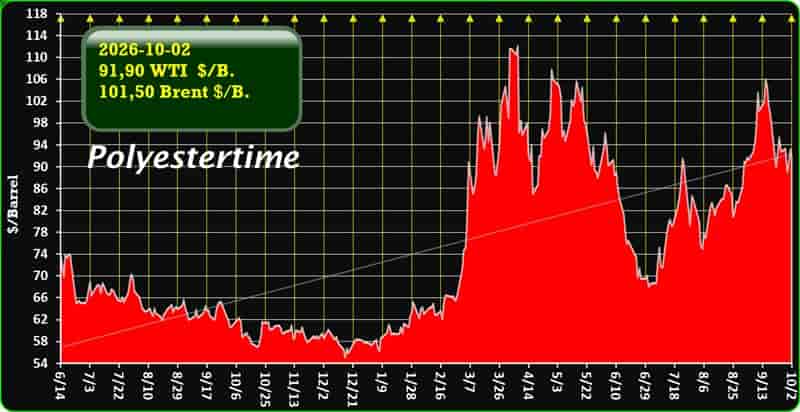
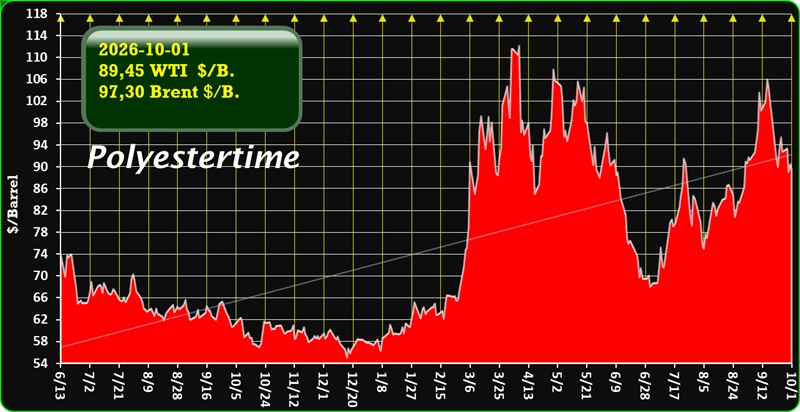
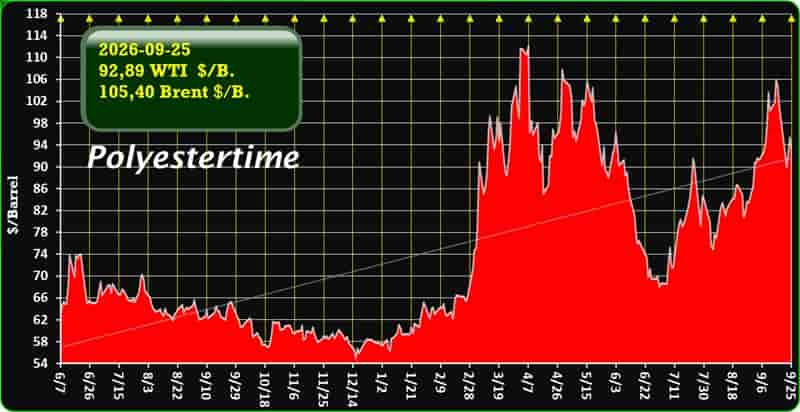
As a result, oil prices have already begun rising sharply. Continued instability in the Strait of Hormuz crisis could push energy prices higher and fuel inflation across global economies.
Possible Futures: Confrontation or Coordination
The next phase of the Strait of Hormuz crisis will depend on whether the separate US and Chinese strategies succeed.
If US naval escorts restore confidence among shipping companies, tanker traffic could gradually return. Similarly, successful diplomatic negotiations between China and Iran could reopen the corridor for Asian energy imports.
A partial reopening of the strait would likely stabilize global oil markets and reduce pressure on energy prices.
However, the risks remain significant. If the crisis escalates or if attacks on vessels continue, the Strait of Hormuz could remain a high-risk maritime zone for months. Tankers might be forced to reroute around Africa, dramatically increasing shipping costs and delivery times.
Another possible outcome is a fragmented energy corridor. China could secure safe passage for its own vessels while Western shipping remains blocked. Such a scenario would deepen geopolitical divisions and reshape global energy trade patterns.
Strategic Implications for Global Energy Markets
The Strait of Hormuz crisis highlights how vulnerable the global energy system remains to geopolitical tensions in key maritime chokepoints.
For decades, the narrow waterway between Iran and Oman has been the world’s most important oil transit route. Any disruption immediately affects energy markets, shipping logistics, and global economic stability.
The current crisis may accelerate efforts to diversify energy routes and reduce dependence on a single chokepoint. Governments and energy companies are already considering alternative pipelines, expanded strategic reserves, and new shipping strategies.
At the same time, the crisis demonstrates how geopolitical competition between major powers increasingly intersects with global energy security.
Conclusion
The Strait of Hormuz crisis has created a dangerous moment for global energy markets. With nearly one-fifth of the world’s oil flows disrupted, governments are racing to restore shipping through one of the planet’s most critical maritime corridors.
The United States is relying on naval protection and government-backed insurance to restart tanker traffic, while China is negotiating directly with Iran to secure its energy imports.
Whether these strategies succeed will determine not only the future of the strait but also the trajectory of global energy prices and geopolitical stability in the months ahead.
More…