Trump’s China Visit, Oil Shockwaves and the Strait of Hormuz: Why Global Markets Are on Edge
Trump China visit Strait of Hormuz oil prices
Trump’s China Visit Raises Stakes in Global Energy Crisis
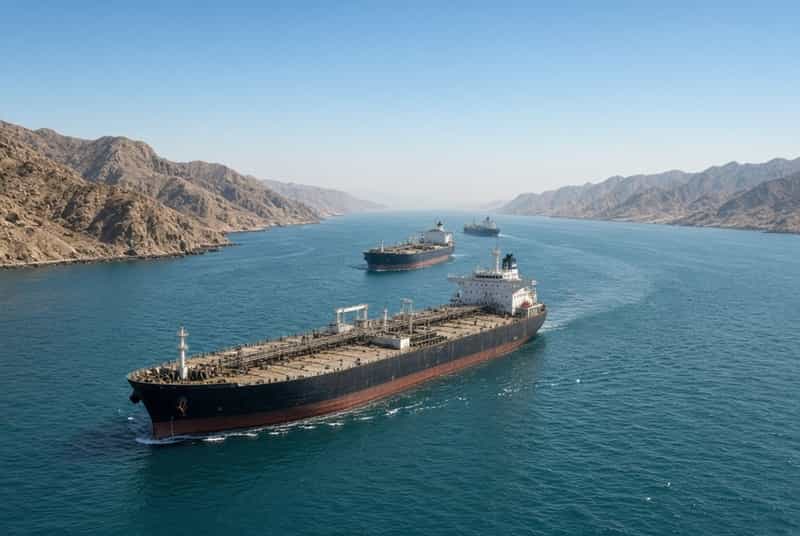
Donald Trump’s high-profile visit to China is unfolding during one of the most fragile geopolitical moments for global energy markets in recent years. The central issue is no longer only diplomacy between Washington and Beijing. Markets are now focused on the future of the Strait of Hormuz, the strategic maritime corridor through which roughly one-fifth of the world’s oil supply passes.
Recent talks between Trump and Chinese President Xi Jinping have centered on energy security, Iran and the reopening of commercial shipping lanes in the Gulf. According to Reuters, US Treasury Secretary Scott Bessent stated during the Beijing meetings that China has a strong interest in helping restore stability in the Strait because of its dependence on Middle Eastern energy supplies.
The summit has therefore become more than a bilateral diplomatic event. It is increasingly viewed as a critical attempt to stabilize global oil markets before further economic disruption spreads worldwide.
Why the Strait of Hormuz Matters
The Strait of Hormuz is one of the world’s most important energy chokepoints. Any disruption immediately affects oil prices, shipping insurance costs and global inflation expectations.
Tensions escalated after Iran threatened commercial transit in response to military pressure from the United States and Israel. Analysts fear that prolonged instability could reduce oil flows for months, especially if negotiations fail.
Recent reports indicate that tanker traffic through the Strait remains dramatically below normal levels. Some estimates show daily crossings falling from nearly 50 tankers per day earlier this year to fewer than three in recent weeks.
This uncertainty has pushed energy traders into defensive positioning across global commodity markets.
Oil Prices Continue to React to Geopolitical Pressure
Oil prices remain highly volatile as investors monitor every development surrounding Iran and the Gulf region.
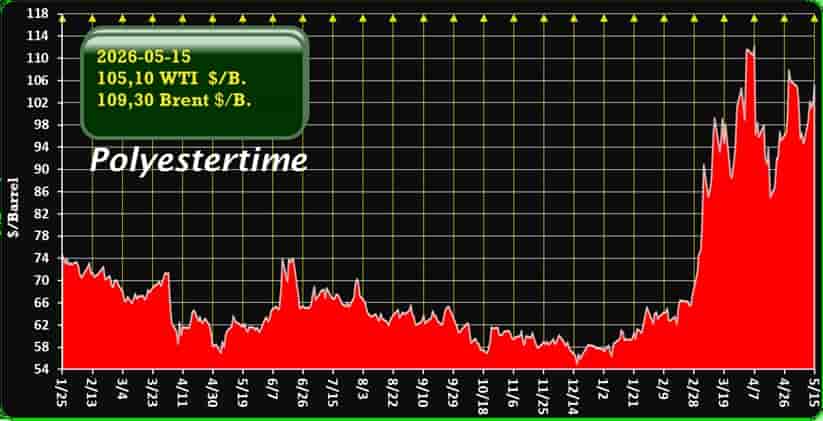
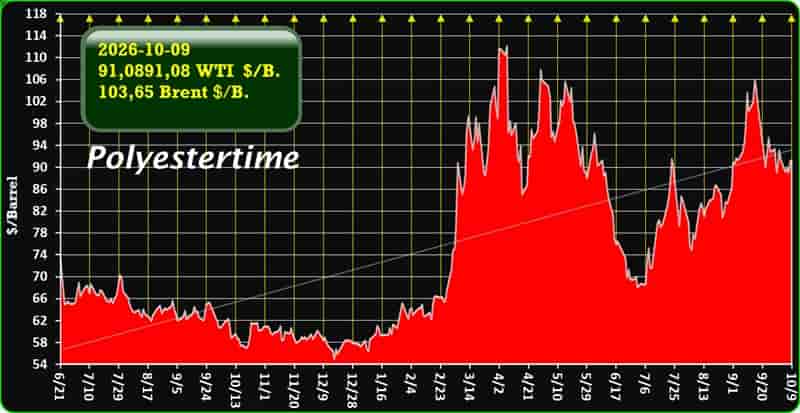
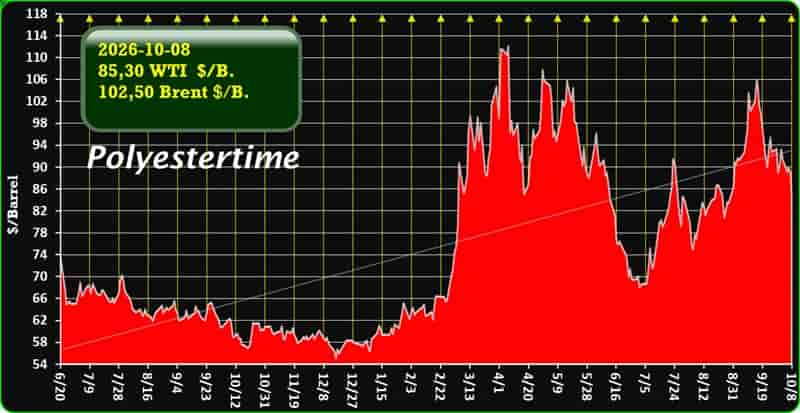
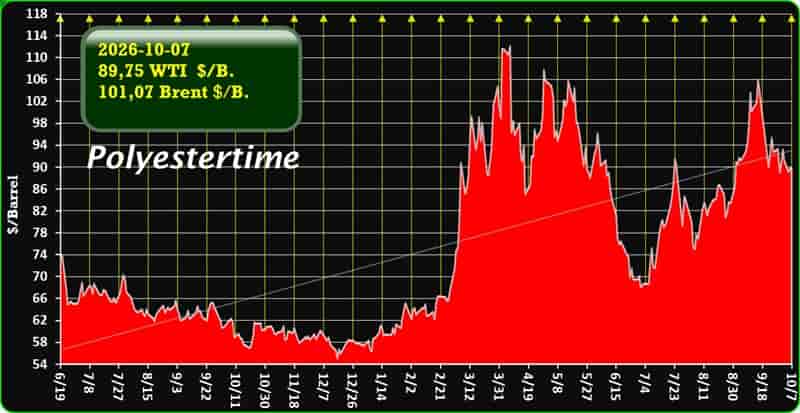
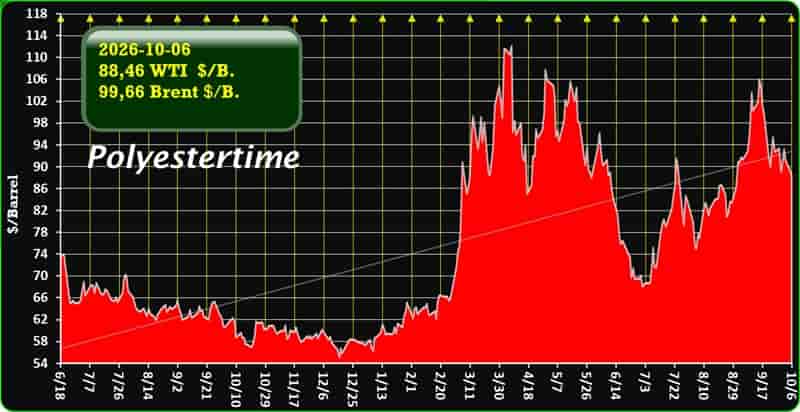
According to Barron’s, Brent crude recently traded around $105 per barrel while West Texas Intermediate hovered above $101.
Earlier in the crisis, prices surged dramatically after Donald Trump warned that restrictions around Iranian shipping could continue for “months.” Brent crude briefly climbed above $126 per barrel, its highest level in years.
Energy analysts believe markets are reacting not only to immediate supply risks but also to fears of long-term instability in global shipping routes.
The impact is already visible at consumer level. US gasoline prices recently climbed to their highest levels since 2022 due to concerns surrounding Hormuz-related disruptions.
China’s Strategic Position in the Crisis
China occupies a delicate position in the current standoff.
Beijing remains one of the largest buyers of Iranian oil while also seeking stable economic relations with Washington. During the Trump-Xi meetings, both leaders reportedly agreed that the Strait of Hormuz must remain open and that wider regional escalation would damage the global economy.
However, no concrete agreement has yet emerged from the summit.
Chinese officials continue to call for de-escalation and diplomatic solutions while avoiding direct involvement in military operations or sanctions enforcement. Analysts see this as part of Beijing’s broader strategy to preserve regional influence without becoming trapped inside the conflict itself.
At the same time, Washington increasingly hopes China can use its economic leverage over Tehran to reduce tensions and restore shipping stability.
Markets Fear a Prolonged Energy Shock
Financial markets are increasingly worried that the Strait of Hormuz crisis could evolve into a longer-term structural energy problem.
Several risks are now converging:
- Reduced oil tanker traffic
- Rising shipping insurance costs
- Increased military presence in the Gulf
- Persistent uncertainty around Iranian exports
- Potential inflationary pressure worldwide
Commodity strategists warn that even temporary disruptions in Hormuz can trigger ripple effects across manufacturing, transport and consumer prices globally.
For Europe, the situation is particularly sensitive because Gulf instability also affects liquefied natural gas supplies and industrial energy costs.
Trump’s China Trip Could Influence Global Oil Stability
Although trade and technology remain central topics between Washington and Beijing, energy security has unexpectedly become the dominant theme of Trump’s visit.
The White House appears eager to demonstrate that cooperation between the US and China is still possible on critical global issues despite wider geopolitical competition.
Whether this diplomatic effort succeeds may determine the short-term direction of oil prices and broader market confidence.
For now, investors remain cautious. Any escalation involving Iran, Gulf shipping lanes or military operations could rapidly send crude prices even higher.
Conclusion
Donald Trump’s visit to China arrives at a pivotal moment for the global economy. The combination of geopolitical tension, uncertainty around Iran and instability in the Strait of Hormuz has transformed energy security into the defining issue of the summit.
Oil markets are reacting in real time, with prices remaining elevated as traders assess the risk of prolonged disruptions. Meanwhile, China’s role as both a major energy consumer and diplomatic actor places Beijing at the center of any potential solution.
The coming weeks could prove decisive not only for US-China relations, but also for the future stability of global energy markets.
More…