Strait of Hormuz: Tehran Studies Mechanism to Make Shipping Tolls Permanent
Strait of Hormuz tolls
Strait of Hormuz: Tehran Is Studying a Mechanism to Make Tolls Permanent
Tehran Pushes Toward a Permanent Toll System
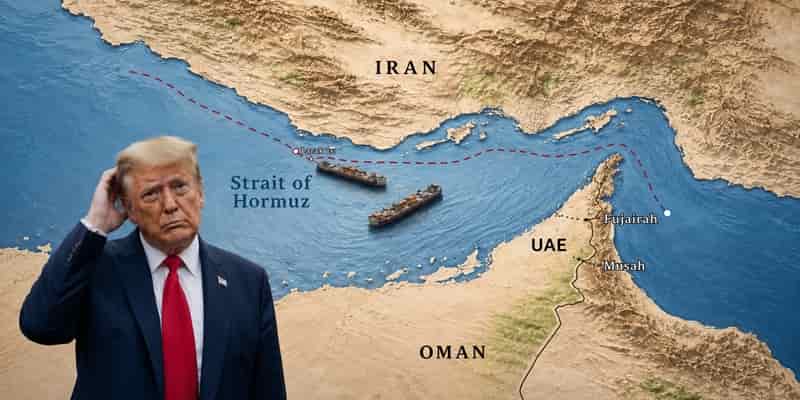
Iran is reportedly studying a mechanism that could make shipping tolls in the Strait of Hormuz permanent, according to multiple international reports and regional diplomatic sources. The move would formalize a system that Tehran has increasingly used during recent tensions in the Gulf.
The Strait of Hormuz is one of the world’s most critical maritime chokepoints. Roughly one-fifth of global oil and liquefied natural gas trade passes through the narrow waterway connecting the Persian Gulf to the Gulf of Oman. Any disruption immediately affects global energy markets, freight costs, and shipping insurance rates.
Iranian officials have argued that the proposed fees would cover “security” and “specialized maritime services” provided to vessels crossing the strait. However, Western governments and maritime organizations fear the measure could become a precedent for long-term political leverage over international shipping.
Why the Strait of Hormuz Matters
The Strait of Hormuz is strategically essential because it serves as the main export route for oil producers including Saudi Arabia, Iraq, Kuwait, Qatar, and the United Arab Emirates. The corridor is only a few dozen kilometers wide at its narrowest point, making it highly vulnerable during military or diplomatic crises.
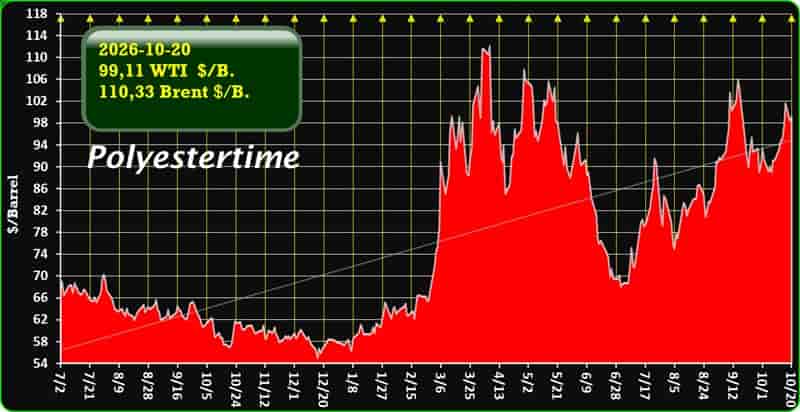
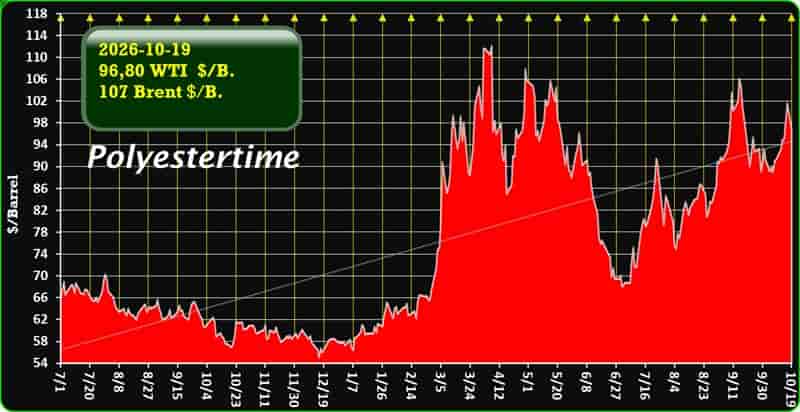
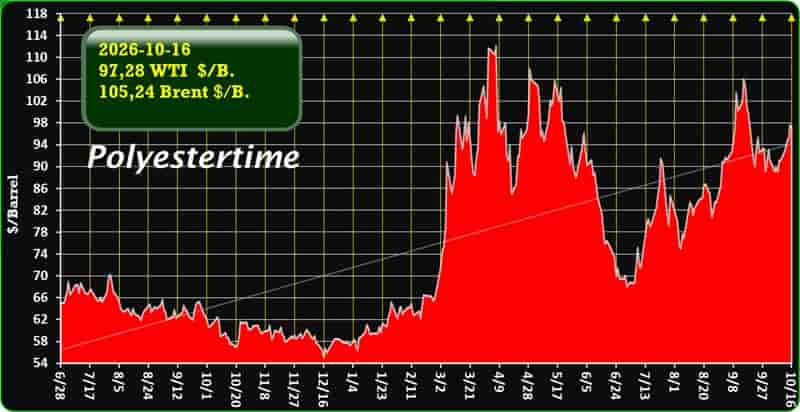
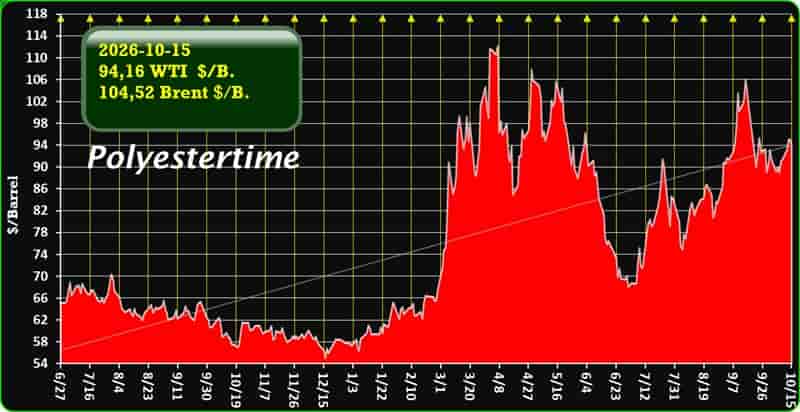
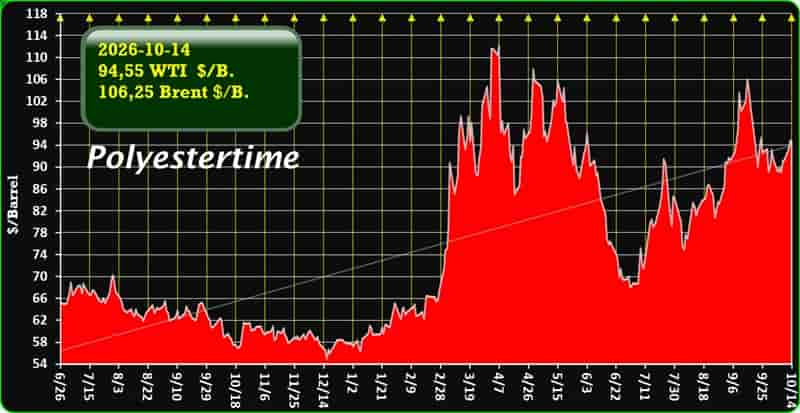
Energy analysts warn that even partial restrictions can rapidly push oil prices higher and create instability in global supply chains. Since early 2026, shipping traffic in the area has already faced severe disruption due to regional tensions involving Iran, the United States, and allied Gulf states.
Some reports suggest selected vessels have already been allowed to transit under informal arrangements, while others faced delays or restrictions. This has increased concerns that Tehran may be attempting to establish selective control over maritime access.
International Concerns Over Legality
The proposal is also fueling a debate over international maritime law.
According to experts cited by international media, charging mandatory transit fees in an international strait could conflict with principles established under the United Nations Convention on the Law of the Sea (UNCLOS). The convention generally protects freedom of navigation through strategic waterways used for international transit.
The International Maritime Organization has already warned against measures that could limit free passage or create discriminatory access for commercial shipping.
Iran, meanwhile, argues that the strait lies within waters jointly influenced by Tehran and Oman and therefore requires coordinated regional management. Reports indicate that a new administrative structure linked to maritime oversight has already been discussed in Tehran.
Markets Watching Oil Prices Closely
Financial markets are closely monitoring developments in the Gulf.
Any permanent toll structure could increase operational costs for shipping companies and energy exporters. Analysts also warn that uncertainty surrounding Hormuz could raise tanker insurance premiums and contribute to volatility in crude oil and LNG prices.
Asian economies would likely be among the most exposed. A large share of oil shipments passing through the strait is destined for China, India, Japan, and South Korea. European energy markets are also vulnerable because of LNG shipments originating in Qatar.
Several governments are now pushing for diplomatic solutions to avoid further escalation in one of the world’s most sensitive energy corridors.
Growing Geopolitical Pressure
The issue is rapidly becoming more than an economic dispute.
Regional governments fear that a permanent toll system could effectively normalize Iranian control over the strait. Western officials remain concerned that the mechanism could evolve into a broader geopolitical tool tied to sanctions, military pressure, or negotiations over Iran’s nuclear program.
Diplomatic talks involving Gulf states, Oman, and international mediators are continuing, but no long-term agreement has yet emerged.
For now, shipping companies, energy traders, and governments are preparing for the possibility that temporary restrictions in the Strait of Hormuz could become part of a more permanent regional framework.
China’s Delicate Balancing Act in the Iran Crisis and Strait of Hormuz Tensions
More…