US Iran Oil Prices: Brent at $79, WTI at $75
US Iran Oil Prices: Brent Near $79 as Hormuz Talks Test the War Premium
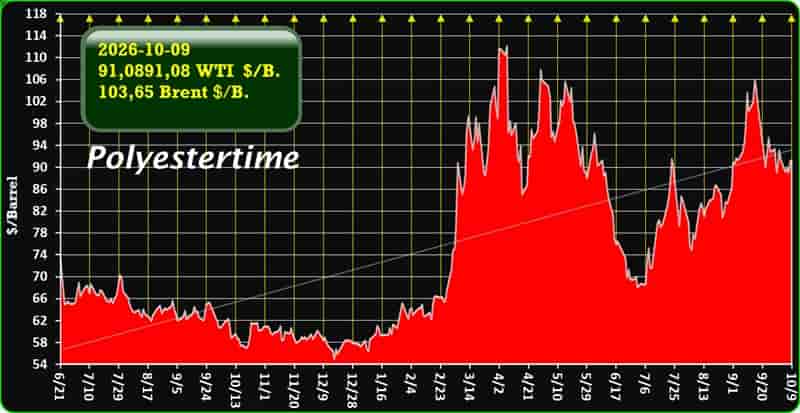
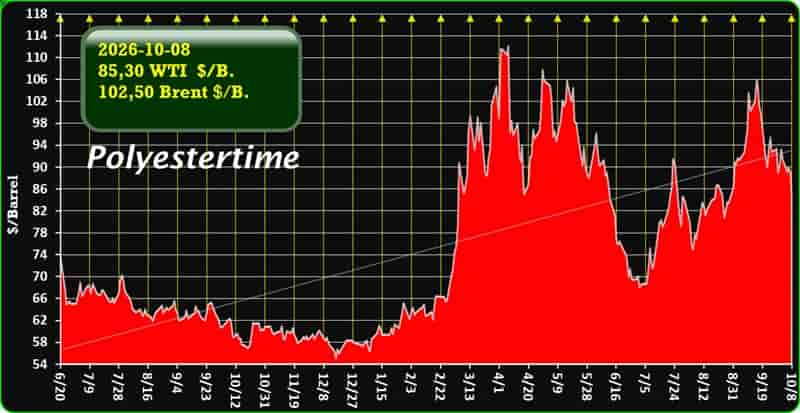
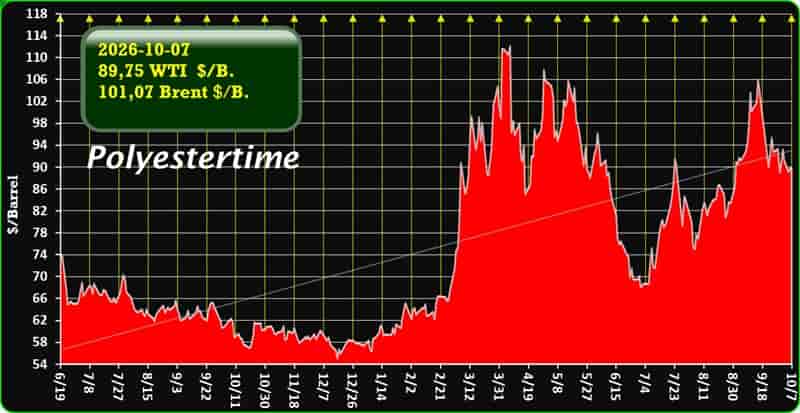
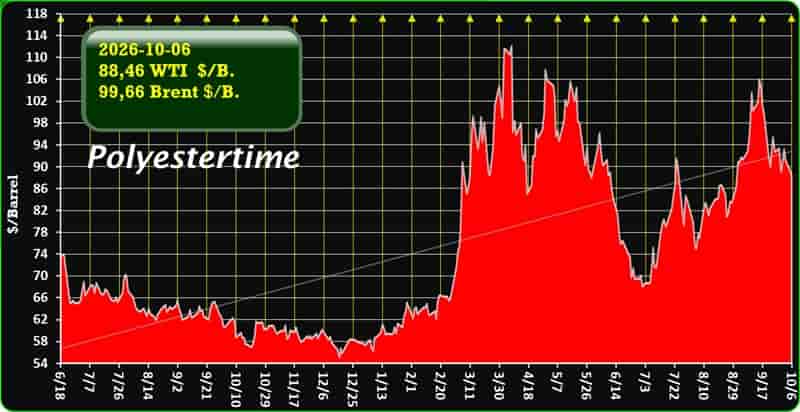
Brent crude is trading at roughly $79 a barrel and West Texas Intermediate is near $75, putting oil well below the peaks reached earlier in the US-Iran war. The retreat reflects growing hope that Iran and Oman can agree on a temporary shipping arrangement for the Strait of Hormuz. It does not mean that the conflict, or the threat to energy supplies, has been resolved.
Prices remain highly sensitive to headlines. During recent trading, Brent moved around the $79–80 range while WTI traded near $75–76. These are intraday reference levels, not fixed closing prices, and they may change quickly as negotiations and security conditions develop.
The situation in brief
-
Brent is around $79 a barrel and WTI around $75 at the time of publication.
-
Iran says an agreement with Oman on a Strait of Hormuz route is in its final drafting stage, but final approval and key political terms remain unresolved.
-
Washington opposes an arrangement that would entrench Iranian control or impose transit fees, while Tehran has linked a durable reopening to relief from the US blockade of Iranian ports.
-
Any verified increase in safe, regular tanker traffic would put downward pressure on the war premium in crude prices.
-
A breakdown in talks, renewed attacks or disruption at another regional shipping route could push prices higher again.
Why oil has fallen back toward $79
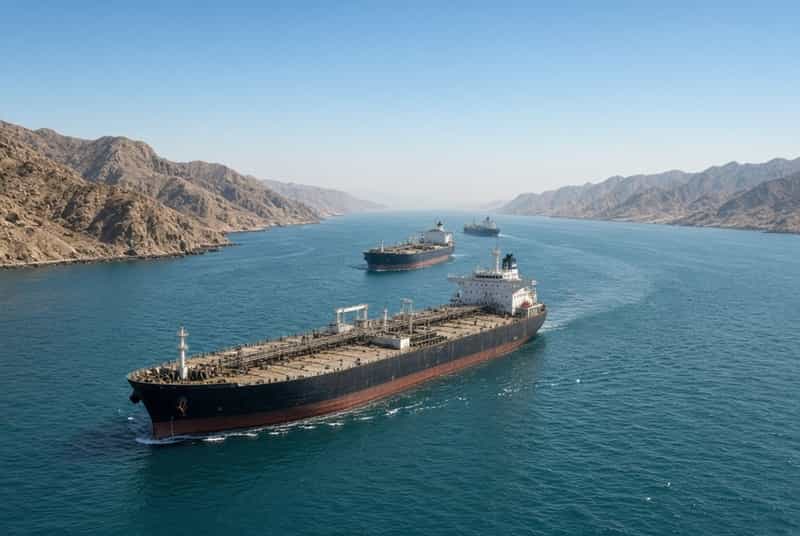
The latest decline is primarily a repricing of geopolitical risk. Traders are considering the possibility that a temporary arrangement could allow more ships to cross the Strait of Hormuz, the narrow waterway connecting the Persian Gulf with the Gulf of Oman.
The Associated Press reported on August 5 that Iranian and Omani negotiators had finalized a draft and were awaiting final Iranian approval. The proposed structure would reportedly route inbound ships through an Iran-controlled passage and outbound traffic through an Oman-controlled passage. However, the terms remain contested. Iran has sought a measure of control, while the United States has opposed transit fees and any agreement that normalizes Tehran’s grip on the strait.
That distinction matters. A political announcement can move futures within minutes, but a durable fall in the risk premium would require evidence: fewer security incidents, lower war-risk insurance costs and a sustained recovery in physical tanker movements. US Iran oil prices
Why the Strait of Hormuz matters so much
Hormuz is one of the world’s most important energy chokepoints. Before the conflict, around 20 million barrels a day of oil moved through the strait, according to the International Energy Agency. The IEA says flows averaged only 2.7 million barrels a day in March, April and May after the near closure of the route.
The disruption did more than remove crude from the market. It affected liquefied petroleum gas, petrochemical feedstocks, diesel and jet fuel. That helps explain why consumers can continue to face expensive refined products even when headline crude benchmarks retreat.
Alternative routes have softened the shock but cannot fully replace normal Hormuz traffic. Saudi Arabia increased exports through its East-West pipeline and the Red Sea port of Yanbu, while the United Arab Emirates used its Habshan-Fujairah pipeline. Producers outside the Gulf, including the United States, Brazil and Kazakhstan, also increased supply to Asian buyers. Emergency stock releases and weaker demand provided further relief.
A fragile diplomatic opening, not a peace agreement
The market’s current optimism deserves caution. The reported Hormuz proposal is a temporary mechanism, not a comprehensive settlement of the US-Iran war. The United States and Iran still disagree over the blockade of Iranian ports, control of the waterway and the conditions for wider nuclear negotiations.
The conflict has already shown how quickly a ceasefire can unravel. The IEA’s July Oil Market Report said an earlier interim ceasefire helped Gulf exports rebound in June, but renewed hostilities on July 7–8 clouded the outlook again. Gulf oil exports recovered to 16.1 million barrels a day in June, including bypass routes, yet remained well below the pre-war average of 24 million barrels a day.
Shipping risks also extend beyond Hormuz. The Associated Press reported new claims of attacks against Saudi-linked tankers near the Red Sea and Gulf of Aden. Those claims were not independently substantiated at the time, but the wider security threat matters because the Red Sea has become an important alternative outlet for Saudi oil.
What could send Brent and WTI lower
Oil prices could weaken further if the proposed route produces a measurable, sustained increase in tanker traffic. A verified easing of the US blockade, practical security guarantees, mine clearance and lower insurance costs would all strengthen confidence that more Gulf supply can reach the market.
Demand is another constraint on prices. The IEA reported that high prices and the disruption itself sharply reduced consumption earlier in the conflict. The market also entered the war with a substantial supply cushion. If shipping normalizes while demand remains subdued, traders may shift their attention from scarcity to the possibility of oversupply.
In that scenario, the Brent-WTI spread may continue to reflect Brent’s greater exposure to international shipping risk, while both benchmarks could lose part of their geopolitical premium.
What could push oil higher again
The clearest upside risk is a collapse in negotiations followed by renewed disruption in Hormuz. Physical attacks on tankers, Gulf export terminals or pipelines would have an even more immediate effect. Escalation involving the Red Sea, Gulf of Aden, Iraq or the Israel-Lebanon front could also tighten supply routes and lift freight and insurance costs.
Product markets deserve particular attention. The IEA said Gulf exports of refined products and liquefied petroleum gas remained at less than half their pre-war levels in June, even as crude flows recovered more strongly. Diesel, gasoline and jet fuel can therefore remain tight independently of a softer Brent price.
The oil-price outlook: three signals to watch
The next direction for US Iran oil prices will depend less on diplomatic language than on evidence from the physical market.
First, watch confirmed tanker transit volumes through Hormuz. Regular flows sustained over several weeks would be more significant than a one-day convoy or announcement.
Second, monitor the terms of any Iran-Oman arrangement. Control of the lanes, the US blockade, security guarantees and any proposed fees could determine whether Washington accepts the plan and whether shipowners are willing to use it.
Third, follow refined-product availability and shipping costs. Falling crude prices do not automatically translate into immediate relief for drivers, airlines or industry when refineries, insurance and transport remain constrained.
Bottom line
Brent near $79 and WTI near $75 show that traders are assigning a greater probability to partial de-escalation. They are not pricing in a clean end to the war. The market remains caught between the prospect of more Gulf barrels and the risk that negotiations fail or regional attacks intensify.
For now, the most defensible reading is that the war premium has narrowed, not disappeared. A lasting move lower would require a functioning Hormuz agreement, safer shipping and sustained physical exports. Without those conditions, oil is likely to remain volatile and unusually responsive to political and military headlines.
Frequently asked questions
Why are Brent and WTI prices different?
Brent is the leading international benchmark and is more directly exposed to global seaborne trade. WTI is the main US benchmark and reflects conditions centered on the American market. Transport, quality and regional supply differences create the price spread.
Could oil fall if the Strait of Hormuz reopens?
Yes. A credible reopening with regular tanker traffic would reduce the immediate supply-risk premium. The size and durability of any decline would also depend on global demand, inventories, OPEC+ policy and refined-product availability.
Could oil rise even after a deal is announced?
Yes. Prices could rebound if the agreement lacks final approval, shipowners consider the route unsafe, insurance remains expensive or either side disputes the terms. Markets will look for implementation, not only an announcement.
Does lower crude immediately mean cheaper fuel?
Not necessarily. Retail fuel prices also reflect refining margins, transport, taxes, exchange rates and local inventories. The war has kept some refined-product markets tighter than the crude market.
Sources and methodology
This article distinguishes reported proposals from completed agreements and uses approximate intraday prices because crude futures change continuously. It was fact-checked on August 6, 2026, using the following sources:
-
Associated Press: Iran and the US say a Strait of Hormuz deal is close
-
International Energy Agency: How global supplies adjusted to the Hormuz shock
-
US Energy Information Administration: World Oil Transit Chokepoints
This is news analysis, not investment advice.
US-Iran Oil Prices Fall as Hormuz Talks Advance