US-Iran War Oil Prices: Brent Near $96
US-Iran War Oil Prices: Why Brent Is Near $96 and WTI Near $92
Last updated: September 4, 2026, based on prices reported at approximately 01:00 GMT.
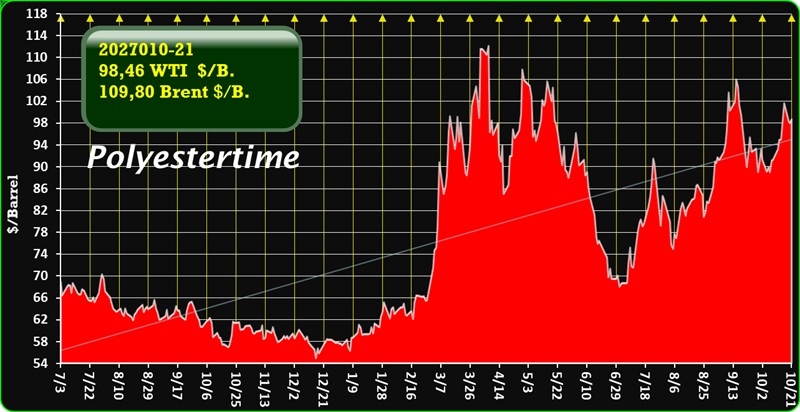
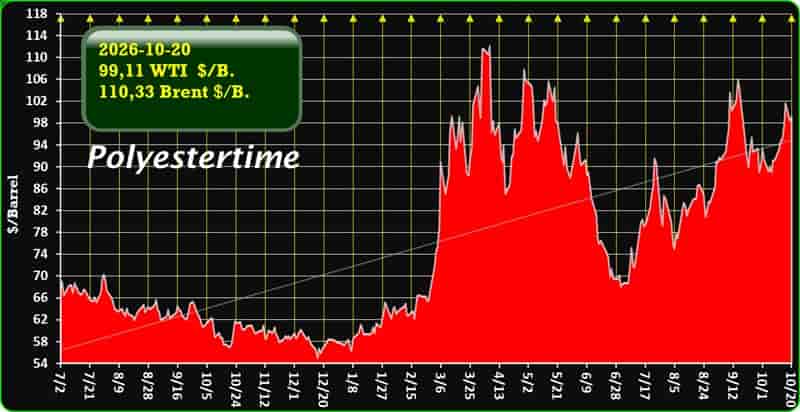
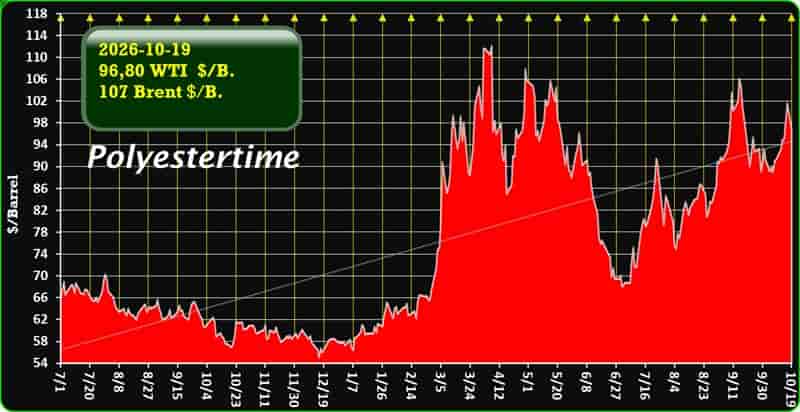
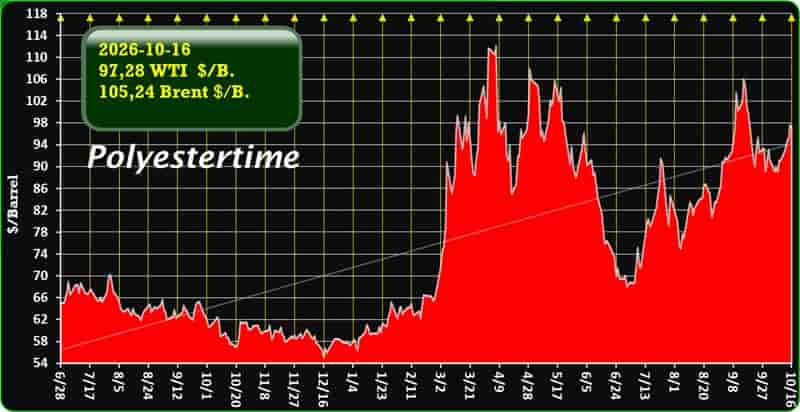
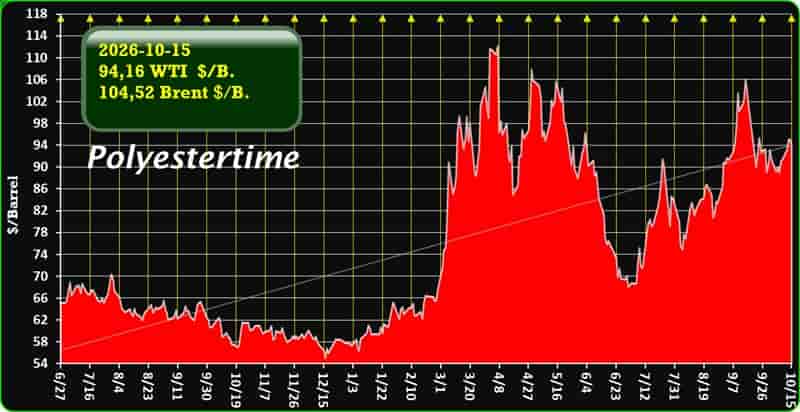
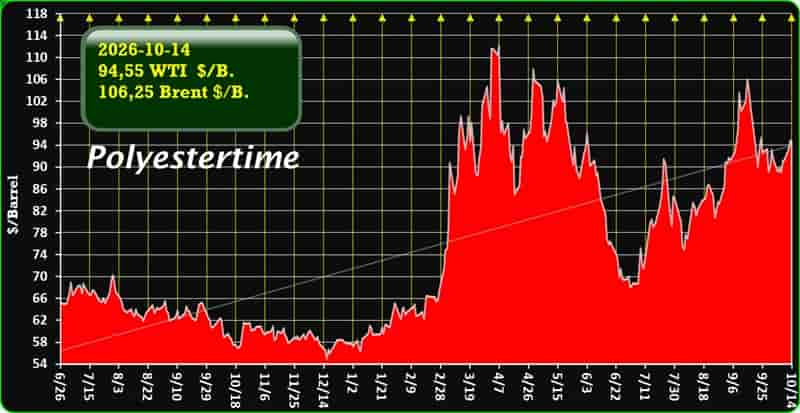
Brent crude is trading at approximately $96 a barrel, while West Texas Intermediate, or WTI, is near $92. The latest increase reflects renewed fighting between the United States and Iran and fears that oil shipments through the Strait of Hormuz could face further disruption.
According to Reuters, Brent futures rose to $96.06 a barrel and WTI reached $92.10 in early trading on September 4. At that point, Brent was up about 7.6% for the week and WTI had gained approximately 10.4%.
These prices are a market snapshot, not a closing level. Oil futures can move rapidly as military, diplomatic and shipping developments emerge. US-Iran war oil prices
Key points
-
Brent crude is near $96 a barrel.
-
WTI crude is near $92 a barrel.
-
Renewed US-Iran attacks have increased the risk premium in oil.
-
Shipping conditions in the Strait of Hormuz remain the market’s central concern.
-
Alternative supply routes and higher exports from other producers provide some protection, but cannot fully replace normal Gulf shipments.
-
Prices could rise further if physical oil flows decline, but de-escalation or improved shipping access could remove part of the geopolitical premium.
Why oil prices are rising
The immediate driver is a renewed exchange of attacks after a period of relative calm.
Reuters reported that fresh US operations and Iranian retaliation had revived concerns about Middle Eastern supply. Iran has also expanded the list of vessels it considers non-compliant with its rules for crossing the Strait of Hormuz, potentially exposing more ships to fines, detention or confiscation.
The Associated Press describes the current US strategy as a combination of military action and intensified economic pressure. Negotiations remain stalled, while intermittent strikes and restrictions on shipping continue.
This uncertainty adds a risk premium to every barrel. Traders are not pricing only the oil that has already been lost. They are also assessing the possibility of future tanker delays, higher insurance costs, damaged infrastructure and a wider regional confrontation. US-Iran war oil prices
Why the Strait of Hormuz matters
The Strait of Hormuz is the narrow maritime passage connecting the Persian Gulf with the Gulf of Oman and the Arabian Sea. It is one of the most important energy routes in the world.
Before the current conflict, approximately 20 million barrels of petroleum liquids passed through the strait each day. That was equivalent to about one-fifth of global petroleum consumption, according to the US Energy Information Administration.
The route is especially important to Asian buyers. EIA data show that 84% of the crude oil and condensate crossing Hormuz in 2024 went to Asian markets. China, India, Japan and South Korea were the leading destinations.
This exposure explains why even a limited deterioration in shipping conditions can affect prices worldwide. A tanker does not have a simple alternative sea route around the strait.
The market has buffers, but they are limited
Oil prices are below the extreme levels recorded earlier in the conflict because producers, refiners and governments have adapted.
The International Energy Agency says emergency stock releases, lower demand, alternative pipelines and increased exports from producers outside the Gulf helped offset part of the disruption.
Saudi Arabia can move some crude through its East-West pipeline to the Red Sea. The United Arab Emirates has a pipeline to Fujairah that avoids Hormuz. Producers including the United States, Brazil, Kazakhstan and Venezuela have also supplied more oil to international markets.
These measures are important, but they are not a complete substitute for normal traffic through Hormuz. EIA estimates cited before the present war indicated that Saudi and UAE pipelines had about 2.6 million barrels per day of available bypass capacity—far below the volume normally carried through the strait.
Inventories also cannot solve a prolonged supply shortage. Stored oil and emergency reserves can buy time, but continued drawdowns eventually leave the market more vulnerable to another disruption. US-Iran war oil prices
What could push Brent above $100?
A sustained move above $100 would become more likely if the conflict caused a measurable reduction in physical supply rather than temporary anxiety alone.
The most important upside risks include:
-
A further decline in tanker traffic through Hormuz
-
Attacks on oil terminals, pipelines, refineries or export infrastructure
-
Damage to commercial vessels
-
Higher maritime insurance and freight costs
-
Wider involvement by major Gulf oil-producing countries
-
Evidence that inventories are falling faster than replacement supplies are arriving
The market would also react strongly to any indication that Iranian restrictions were becoming broader or more consistently enforced.
These factors do not guarantee $100 oil. They identify the conditions that could make such a move more probable. US-Iran war oil prices
What could bring prices back down?
Oil prices could retreat if shipping traffic improves and the probability of a wider conflict falls.
A durable ceasefire, a US-Iran diplomatic channel or an agreement guaranteeing commercial navigation through Hormuz could remove some of the current risk premium. Stronger production outside the Gulf, weaker global demand or a credible expansion of emergency stock releases could also limit prices.
There are already counterweights. Some Gulf cargoes continue to reach the market, Iraq has increased exports from its recent lows, and alternative suppliers have responded. Expectations of weaker economic activity can also restrain oil demand.
The key distinction is between a temporary de-escalation and a lasting improvement in supply security. Markets may respond quickly to reassuring headlines, but a sustained decline would require reliable evidence that oil can move safely and consistently. US-Iran war oil prices
What higher oil prices mean for consumers and businesses
Crude prices affect much more than gasoline.
A prolonged increase can raise diesel, aviation fuel and shipping costs. Those expenses can feed into food prices, manufacturing, air travel and the transportation of goods. Import-dependent economies are particularly exposed because they must spend more foreign currency on energy.
The effect on motorists is not immediate or uniform. Retail fuel prices also depend on refining capacity, inventories, taxes, distribution expenses and regional supply conditions. Nevertheless, crude oil is a major input cost, so a sustained rise normally creates upward pressure at the pump.
Higher energy costs can also complicate central-bank decisions. If fuel-driven inflation persists, policymakers may have less flexibility to reduce interest rates even when economic growth weakens. US-Iran war oil prices
The outlook
US-Iran war oil prices are likely to remain unusually sensitive to military and shipping news.
At Brent near $96 and WTI near $92, the market is assigning a substantial value to supply risk without pricing in the most severe possible outcome. Traders appear to believe that some oil will continue moving through alternative routes and that other producers can provide partial relief.
That balance is fragile. A verified improvement in navigation through the Strait of Hormuz could push prices lower. A serious interruption, infrastructure attack or expansion of the conflict could send them sharply higher. US-Iran war oil prices
For readers following the market, the most useful indicators are confirmed tanker movements, export volumes, freight and insurance costs, inventory data and official announcements from the countries involved. Intraday price changes alone cannot show whether the underlying supply situation is improving.
Editor’s note: This article distinguishes verified developments from possible market scenarios. It is informational and does not constitute investment advice.
US-Iran Oil Prices: Brent Near $95 as Conflict Risk Returns
More…