Hyosung’s Bold 100 Million Dollar Investment in Đà Nẵng Strengthens Vietnam Textile Manufacturing and Positions Central Region as Rising Industrial Powerhouse 02-03-2026
Hyosung Expands Vietnam Textile Manufacturing with New Đà Nẵng Plant
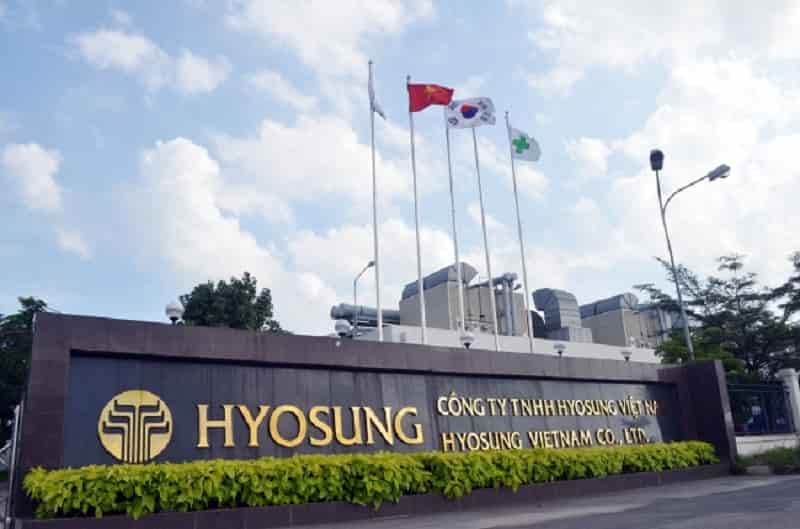
South Korea’s Hyosung Group is accelerating its footprint in Southeast Asia with a major expansion in central Vietnam. Through its subsidiary HS Hyosung Quảng Nam, the company will invest 100 million dollars to build a new polyester curtain fabric and industrial fibre plant in the Tam Thăng Expanded Industrial Park.
Construction is scheduled to begin in the first quarter of 2026. Once completed, the facility is expected to significantly reinforce Vietnam textile manufacturing, strengthening the country’s role in regional and global supply chains.
This investment confirms Vietnam’s growing importance as a strategic production hub for high-performance textiles and industrial materials.
Strategic Location in Tam Thăng Expanded Industrial Park
The new facility will be located in the Tam Thăng Expanded Industrial Park, under a land-rent agreement signed with the Chu Lai Industrial Zone Authorities. The expansion builds on Hyosung’s initial entry into central Vietnam in 2019, when it launched its first plant in the region.
Since then, HS Hyosung Quảng Nam has steadily increased its capital commitment, investing more than 450 million dollars across two major projects. The company has created approximately 1,500 jobs, contributing to local economic development and industrial upgrading.
The decision to scale operations further highlights investor confidence in Vietnam textile manufacturing and the regulatory stability of the central region.
Production Capacity and Product Portfolio
The new plant is designed with a production capacity of 6,750 tonnes per month. Output will include:
-
Polyester curtain fabric for residential and commercial interiors
-
Nylon fabric for automotive airbags
-
Industrial fibres serving both domestic and export markets
These materials are essential components in high-value manufacturing segments, particularly the automotive support industry.
In its earlier investment phase, Hyosung focused on high-strength industrial materials such as tyre cords, seat belt materials and airbag fabrics. The new facility expands this industrial textile ecosystem, reinforcing vertical integration within Vietnam textile manufacturing.
By combining curtain fabric and advanced industrial fibres under one production platform, Hyosung enhances operational efficiency and export competitiveness.
Strengthening the Automotive and Industrial Supply Chain
Industrial fibres and technical textiles play a critical role in modern manufacturing. Products such as tyre cords and airbag fabrics require high tensile strength, durability and strict quality compliance.
Hyosung’s expansion in Đà Nẵng positions Vietnam textile manufacturing closer to global automotive supply chains. As automotive production continues shifting toward Asia, suppliers with established regional manufacturing capacity gain a strategic advantage.
The addition of nylon airbag fabric capacity is particularly significant. Automotive safety standards are tightening worldwide, driving demand for reliable, high-performance textile inputs.
Vietnam’s integration into this value chain reflects a broader transformation from low-cost garment production to advanced industrial textiles and engineered materials.
South Korea Remains Vietnam’s Largest Investor
South Korea continues to be Vietnam’s largest foreign investor, and Hyosung’s expansion reinforces this partnership. According to the South Korean Consulate General in Đà Nẵng, approximately 250 South Korean businesses are operating in Huế, Đà Nẵng and Quảng Ngãi.
Beyond manufacturing, cooperation increasingly focuses on digital transformation, high technology and innovation.
Vietnam textile manufacturing benefits directly from this long-term strategic relationship. South Korean firms bring capital, advanced production technologies and global market access, while Vietnam provides a skilled workforce and competitive operating environment.
This synergy has helped position central Vietnam as a rising industrial cluster.
Đà Nẵng’s Broader Industrial Ambitions
Đà Nẵng is not only strengthening its manufacturing base but also aiming to become a regional innovation hub. The city’s development strategy for 2025 to 2030 emphasizes:
-
Information and communications technology
-
Semiconductors
-
Artificial intelligence
-
High-tech manufacturing
While textiles remain a pillar of industrial growth, authorities are actively encouraging investment in digital infrastructure and advanced industries.
Vietnam textile manufacturing therefore operates within a broader ecosystem of industrial modernization. The combination of traditional industrial strength and emerging high-tech sectors increases the resilience of the regional economy.
Hyosung’s new plant contributes to this balanced growth model.
Economic Impact and Employment
With more than 450 million dollars already invested in the region, HS Hyosung Quảng Nam has become a major employer. The new 100 million dollar facility is expected to generate additional direct and indirect employment opportunities.
Industrial parks such as Tam Thăng Expanded Industrial Park provide integrated infrastructure, logistics access and regulatory support. These factors reduce operational risk and accelerate project timelines.
For local communities, expansion of Vietnam textile manufacturing translates into:
-
Stable employment
-
Skills development
-
Technology transfer
-
Increased export revenue
The multiplier effect extends to supporting industries including logistics, packaging and maintenance services.
Why This Investment Matters for Global Markets
Global supply chains are undergoing restructuring due to geopolitical shifts, sustainability pressures and demand volatility. Companies are seeking diversified manufacturing bases that combine cost competitiveness with political stability.
Vietnam textile manufacturing has emerged as a preferred alternative in Asia. The country benefits from:
-
Strategic geographic location
-
Free trade agreements
-
Growing domestic infrastructure
-
Skilled industrial workforce
Hyosung’s continued expansion signals long-term confidence in these fundamentals.
The addition of polyester curtain fabric capacity also strengthens Vietnam’s position in the global home textile market, while industrial fibre production deepens integration into automotive and technical textile supply chains.
Sustainability and Future Outlook
Although the announcement focuses on capacity expansion, sustainability considerations increasingly shape textile investment decisions. Modern industrial fibre production typically incorporates energy efficiency measures, emissions control systems and waste reduction technologies.
As global buyers impose stricter environmental standards, Vietnam textile manufacturing must align with international compliance frameworks.
Hyosung’s long-term strategy in Vietnam suggests that the company views the country not as a temporary low-cost base, but as a strategic manufacturing partner.
Construction beginning in early 2026 marks the next chapter in this partnership.
Conclusion: A Strong Signal for Central Vietnam’s Industrial Growth
Hyosung’s 100 million dollar investment in Đà Nẵng sends a powerful signal about the trajectory of Vietnam textile manufacturing. The new polyester curtain fabric and industrial fibre plant enhances production capacity, supports high-value automotive supply chains and strengthens South Korea–Vietnam industrial cooperation.
As central Vietnam continues attracting foreign direct investment, projects like this reinforce its emergence as a competitive industrial powerhouse in Southeast Asia.
For global textile and automotive markets, the expansion represents not only additional capacity but also greater supply chain resilience in a rapidly evolving economic landscape.
More…