U.S. Recycled Plastics Market in Crisis as Collapsing Demand, PET Stockpiles and Reclaimer Closures Threaten Domestic Recycling Infrastructure and Jobs Nationwide 02-03-2026
U.S. Recycled Plastics Market in Crisis as Demand for PCR Collapses
The U.S. recycled plastics market is entering a critical phase, with industry leaders warning that collapsing demand for postconsumer resin (PCR) is undermining years of investment in recycling infrastructure. At the 2026 Plastics Recycling Conference in San Diego, experts described a structural imbalance between supply and demand that now threatens the economic viability of domestic reclaimers.
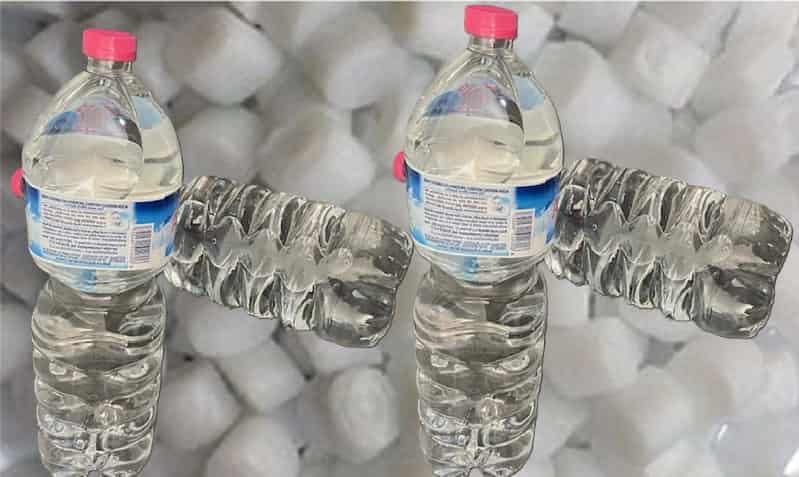
Material recovery facilities across the country are reportedly holding unsold bales of recycled PET, with limited downstream buyers. According to industry representatives, additional reclaimer closures could further erode national processing capacity, deepening instability across the recycling value chain.
This moment marks more than a cyclical downturn. Many stakeholders now characterize the U.S. recycled plastics market as facing a systemic crisis.
PET Oversupply and Reclaimer Closures Since 2025
Since January 2025, five U.S. plastic reclaimers have shut down operations. These closures are directly linked to insufficient demand for recycled pellets and flakes derived from collected plastic packaging.
The economic pressure stems from two major forces:
-
A surge in cheaper imported resin entering the U.S. market
-
Persistent oversupply of low-cost virgin resin globally
The price gap between recycled resin and virgin material has widened significantly. In many cases, manufacturers can procure virgin plastic at a lower cost than domestically produced PCR, reducing incentives to incorporate recycled content.
As a result, reclaimed PET bales are accumulating with no clear end market. Without corrective measures, industry observers warn that more facilities may suspend operations, further weakening the U.S. recycled plastics market.
EPR Laws Expanding Supply Amid Shrinking Demand
The crisis is unfolding even as extended producer responsibility laws expand across the country. Seven U.S. states have now enacted EPR legislation covering plastic packaging, with more proposals under consideration.
EPR frameworks are designed to increase recycling rates and shift financial responsibility to producers. However, projections indicate these laws will significantly increase the volume of plastic packaging requiring collection and processing.
This creates a structural contradiction:
-
More plastic packaging entering the recycling stream
-
Fewer domestic facilities able to process it economically
The result is a widening supply-demand imbalance within the U.S. recycled plastics market.
If processing capacity continues to decline while supply grows, stakeholders warn of unintended consequences, including stockpiled materials or even landfill diversion of recyclable plastics.
State-Level Strategies to Boost PCR Demand
Industry representatives highlighted potential legislative levers to address the imbalance.
In California, regulations include a source reduction target by 2032, with a portion allowed to be met using certified PCR. This mechanism may encourage increased recycled content utilization in packaging design.
Colorado has implemented specific PCR content targets for different plastic types, with scheduled increases later in the decade. The state also offers potential fee reductions for producers that provide detailed material data reporting.
However, producers operating across multiple states face administrative complexity. Data reporting standards differ, and compliance requirements vary by jurisdiction. To reduce friction, harmonization efforts are underway to align PCR incentives and reporting guidelines across participating states.
While these measures may gradually stimulate demand, stakeholders emphasize that incremental policy adjustments may not be sufficient to stabilize the U.S. recycled plastics market without broader federal intervention.
The Cost Gap Between Virgin and Recycled Resin
A central issue remains the cost differential between virgin plastic and PCR.
EPR incentives alone are unlikely to close this gap. Even with state-level mandates and fee modulation, recycled resin often remains more expensive than both imported material and domestically produced virgin resin.
To address this imbalance, several policy options have been proposed:
-
Recycled content mandates with strict origin traceability
-
Federal tax credits for recyclers
-
Tax incentives for manufacturers purchasing PCR
-
National standards for minimum recycled content
Supporters argue that such measures would create stable demand signals and reduce market volatility.
Without stronger policy intervention, the U.S. recycled plastics market may continue to struggle under pricing pressure.
Infrastructure Investment and the Need for Regulation
Major packaging producers have significantly increased PCR use in recent years and established global recycled content targets. However, corporate voluntary commitments alone cannot stabilize the system.
Industry leaders stress that recycling infrastructure in the United States requires substantial modernization and expansion. Investment in advanced sorting technology, improved reprocessing equipment and quality control systems is necessary to ensure reliable PCR output.
Yet investment confidence depends on predictable demand.
Without regulatory mechanisms that guarantee minimum PCR uptake, capital expenditures remain risky. Companies hesitate to fund facility upgrades if recycled resin cannot compete economically.
For this reason, many stakeholders argue that regulatory intervention is essential to create a level playing field and protect domestic recycling operations.
Economic and Employment Implications
Beyond environmental considerations, the U.S. recycled plastics market crisis carries economic implications.
Domestic reclaimers support manufacturing jobs, logistics networks and regional recycling ecosystems. Facility closures not only reduce processing capacity but also eliminate skilled employment in local communities.
Framing the issue around American manufacturing competitiveness may influence future federal policy discussions. Supporters of stronger mandates argue that stable PCR demand protects domestic industry from cheaper imports and preserves supply chain resilience.
The risk of PET bales being diverted to landfills represents not just an environmental setback but a symbolic reversal of progress made over the past decade.
Outlook for the U.S. Recycled Plastics Market
The near-term outlook remains uncertain. Supply will likely increase as EPR programs mature, but demand growth depends on coordinated policy action, cost stabilization and industry cooperation.
The U.S. recycled plastics market stands at a crossroads:
-
Without intervention, further reclaimer closures could shrink capacity
-
With coordinated mandates and incentives, demand could stabilize
-
Federal tax credits or content requirements may shift procurement behavior
The coming years will determine whether domestic recycling infrastructure adapts or contracts.
What is clear is that the current imbalance between supply and demand cannot persist indefinitely. Policymakers, producers and recyclers must align economic signals with sustainability objectives to prevent deeper structural damage.
More…