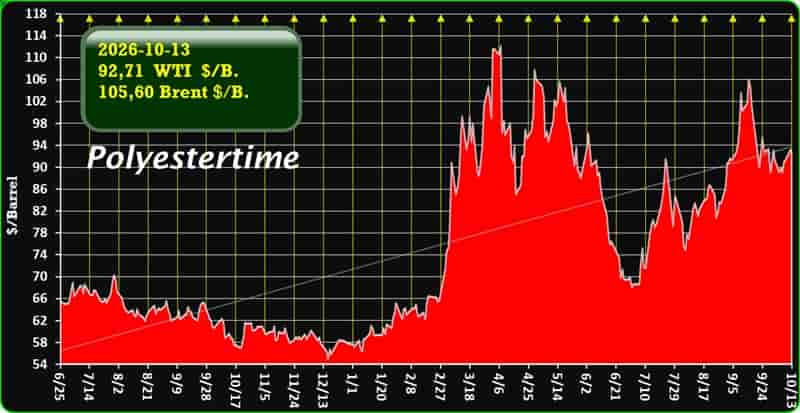
Global Oil Price Surges as Brent moves around 80-85 Dollars Amid Geopolitical Uncertainty and OPEC Supply Cuts Leaving Investors Bracing for Volatile Energy Market Shifts Excerpt: As of March 02, 2026, the oil price sees a significant spike. We analyze the Brent and WTI movements amid geopolitical friction and OPEC+ strategies. 02-03-2026
Global Oil Price Surges as Brent moves around 80-85 Dollars Amid Geopolitical Uncertainty and OPEC Supply Cuts Leaving Investors Bracing for Volatile Energy Market Shifts
The global energy sector is waking up to a Monday of high tension. As of March 02, 2026, the oil price has experienced a sharp upward move, mirroring the “weeks of uncertainty” currently felt in the City of London and other major financial hubs. With Brent crude testing the upper limits of its recent range and WTI following closely behind, the market is reacting to a perfect storm of supply constraints and geopolitical friction.
Current Market Snapshot: Brent and WTI
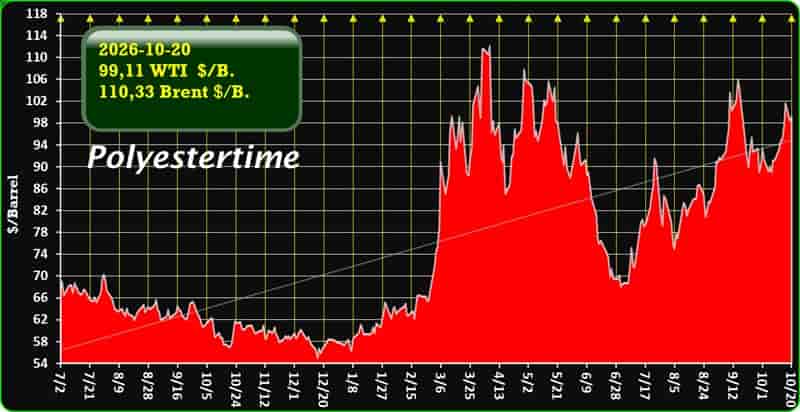
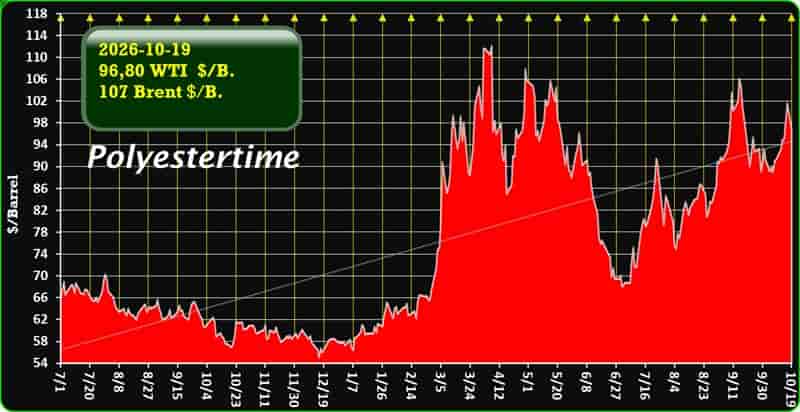
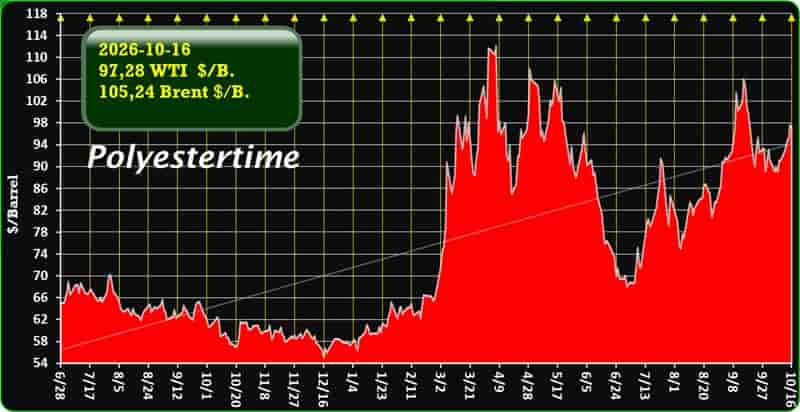
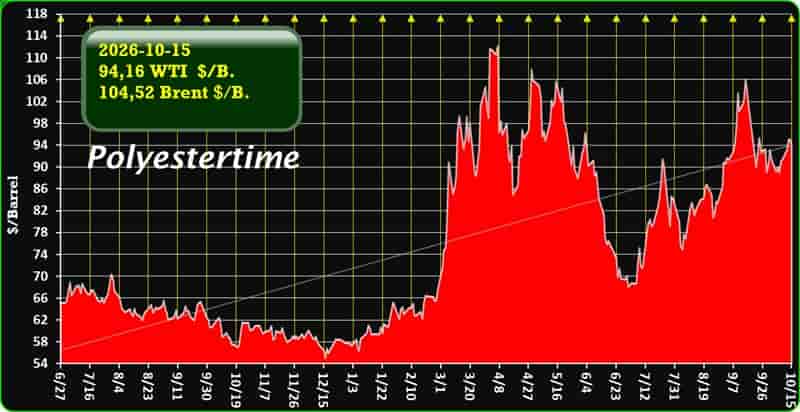
Today’s trading session shows a clear bullish momentum. Brent Crude is currently oscillating between $80 and $85 per barrel, while the American benchmark, West Texas Intermediate (WTI), is holding steady in the $73 to $78 per barrel range.
This narrow but elevated corridor suggests that while there is plenty of liquidity, the floor has moved higher. Traders are no longer pricing in a “calm” spring; instead, they are hedging against a potential supply deficit that could last through the second quarter.
| Benchmark | Price Range (March 02, 2026) | Daily Trend |
| Brent Crude | $80.00 – $85.00 / Bbl | 📈 Upward |
| WTI Crude | $73.00 – $78.00 / Bbl | 📈 Upward |
| OPEC+ Basket | $81.50 / Bbl | ↔️ Stable |
Geopolitical Developments and Supply Constraints
The primary catalyst for the current oil price volatility remains the heightened tension in critical maritime corridors. News from the Middle East suggests that “weeks of uncertainty” are ahead for tankers navigating the Strait of Hormuz. Any disruption in this region immediately adds a “risk premium” to every barrel of oil sold globally.
Simultaneously, the OPEC+ alliance has signaled that it will not be rushing to increase production. In their most recent communication, the group emphasized “market stability” over volume, effectively extending their output cuts. This disciplined approach ensures that global inventories remain low, providing a structural support level for the oil price regardless of minor shifts in Western demand.
Global Demand and Economic Data
While supply is tightening, the demand side presents a mixed picture. Recent economic data from China shows a robust industrial recovery, particularly in the chemical and high-tech manufacturing sectors. As factories return to full capacity after the seasonal breaks, their thirst for energy is acting as a major pull factor for crude exports.
Conversely, in the United States and Europe, the focus remains on inflation. Central banks are closely monitoring the oil price because energy costs are a major component of the Consumer Price Index (CPI). If Brent remains above $85 for a sustained period, it could force a “higher-for-longer” interest rate environment, which eventually acts as a brake on economic growth.
Investor Sentiment: The City Braces for Volatility
Sentiment among institutional investors is currently categorized as “cautiously bearish on the economy, but bullish on the commodity.” Financial analysts in London and New York are advising clients to prepare for a period of high variance. The spike we are seeing today is not just about physical barrels; it is about the cost of protection.
The oil price is increasingly influenced by algorithmic trading and “flight-to-safety” maneuvers. When geopolitical headlines suggest conflict, capital flows out of equities and into commodities like gold and crude oil. This “uncertainty premium” is currently estimated to be adding between $5 and $7 to every barrel of Brent.
Short-Term Outlook: Where is the Market Heading?
In the immediate short term (the next 14 to 30 days), the oil price is expected to remain within its current elevated bracket. Unless there is a significant de-escalation in global flashpoints, the path of least resistance for Brent appears to be toward the $88 mark.
For the global economy, this trend is a double-edged sword. For energy-exporting nations, it provides a much-needed fiscal cushion. However, for the average consumer, it means higher prices at the pump and increased logistics costs for goods.
Conclusion: Energy Markets in the Balance
As we move further into March 2026, the oil price will serve as the ultimate barometer for global stability. The combination of OPEC+ production discipline and geographic risk has created a “tight” market.
To maintain healthy margins, energy companies and investors must stay focused on real-time data. If the current oil price trajectory continues, the energy transition may see a renewed sense of urgency, as high fossil fuel costs accelerate the shift toward renewable alternatives. For now, however, the world remains firmly tied to the price of a barrel, and that price is currently on the rise.
More…