LyondellBasell Cuts 2030 Climate Ambitions While Defending Circular Economy Strategy Amid Market Pressures and Capital Discipline Challenges in Global Chemical Industry 25-02-2026
LyondellBasell Updates 2030 Sustainability Goals as Market Realities Shift
LyondellBasell has announced updated 2030 sustainability goals, reflecting changing economic conditions, regulatory developments and a renewed focus on disciplined capital allocation. The chemical industry leader confirmed that its long-term strategy remains intact, but certain climate and circularity targets have been recalibrated to align with near-term feasibility.
The revised 2030 sustainability goals underline the company’s effort to balance ambition with execution. While investors and environmental stakeholders closely monitor decarbonization pathways, LyondellBasell emphasizes that value creation and financial resilience remain central to its sustainability roadmap.
Revised Climate Target: 32% Scope 1 and 2 Emissions Reduction by 2030
A key element of the updated 2030 sustainability goals is the reduction of Scope 1 and Scope 2 greenhouse gas emissions by 32% by 2030 compared to a 2020 baseline.
This adjustment signals a more pragmatic approach to emissions management. Scope 1 emissions relate to direct operational activities, while Scope 2 covers purchased electricity and energy. For a global petrochemical producer, these categories represent significant operational challenges, particularly amid volatile energy markets and fluctuating feedstock costs.
Despite revising the percentage, LyondellBasell maintains that decarbonization remains a core strategic priority. The company continues investing in energy efficiency, renewable electricity sourcing and site-level optimization initiatives designed to reduce carbon intensity across manufacturing assets.
Circular Economy Target: 800,000 Tons of Recycled and Renewable Polymers
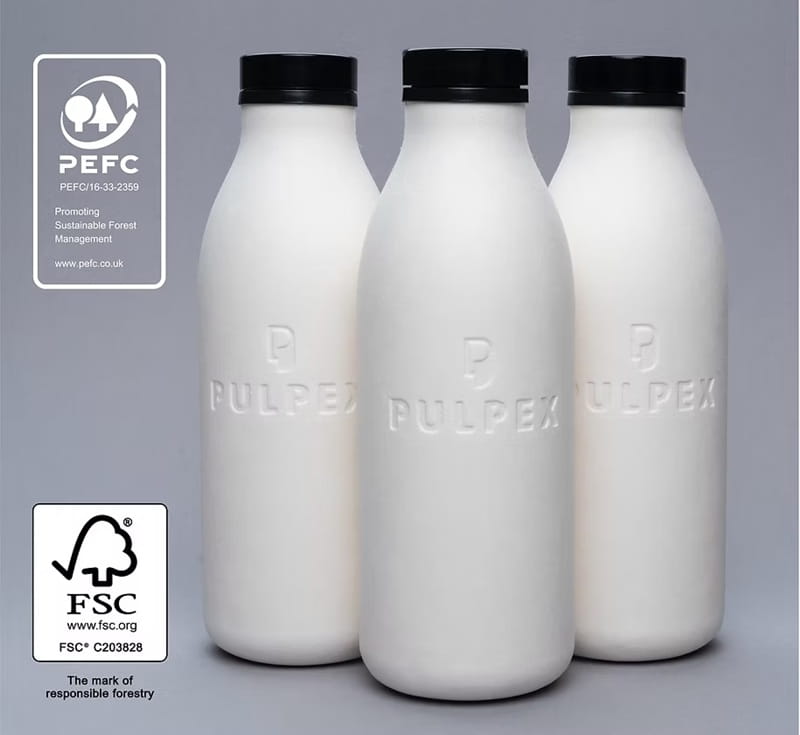
The second pillar of the updated 2030 sustainability goals focuses on circularity. LyondellBasell now aims to produce and market 800,000 metric tons of recycled and renewable-based polymers annually by 2030.
This target reinforces the company’s commitment to advancing a circular economy. Demand for recycled polymers is rising across packaging, automotive and consumer goods sectors, but scaling production remains complex. Technology readiness, policy harmonization and consistent customer demand are critical enablers.
The company’s Circulen product portfolio and proprietary recycling technologies remain central to achieving this target. However, management has acknowledged that regulatory pace and infrastructure development directly influence commercialization speed.
Three-Pillar Strategy Remains Unchanged
Although the 2030 sustainability goals have been updated, LyondellBasell’s broader strategic framework remains consistent. The company continues to operate under three core pillars:
-
Growing and upgrading the core business
-
Building a profitable circular and low-carbon segment
-
Stepping up performance and organizational culture
This strategic continuity suggests that sustainability is not being deprioritized but rather recalibrated to match capital discipline requirements and evolving macroeconomic conditions.
MoReTec-1: Flagship Chemical Recycling Investment
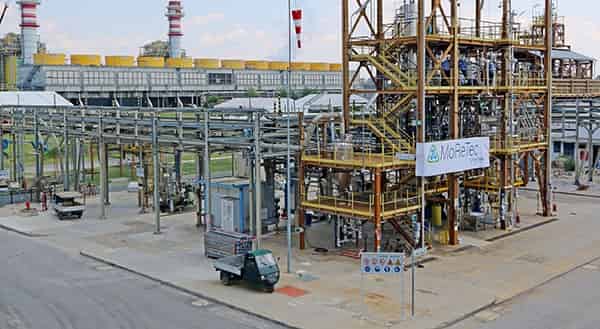
Among the most significant developments supporting the 2030 sustainability goals is the advancement of the MoReTec-1 plant in Wesseling, Germany. This facility represents LyondellBasell’s first commercial-scale catalytic chemical recycling plant using proprietary MoReTec technology.
Chemical recycling is positioned as a critical lever in achieving circularity at scale. Unlike mechanical recycling, catalytic processes can break down mixed plastic waste into feedstock suitable for high-quality polymer production. If successfully operated at scale, MoReTec-1 could become a cornerstone asset in the company’s low-carbon growth portfolio.
Construction progress at MoReTec-1 signals continued capital allocation toward circular solutions, even amid broader spending discipline.
Renewable Energy Procurement and Energy Efficiency
In addition to recycling investments, LyondellBasell reports progress in energy sourcing and operational efficiency. The company has secured sufficient projects to meet its goal of procuring at least 50% of electricity from renewable sources by 2030, based on 2020 procurement levels.
Energy optimization initiatives under the Value Enhancement Program have contributed to emissions reductions across manufacturing sites, including improvements at the Houston Refinery.
These operational improvements demonstrate that the updated 2030 sustainability goals rely not only on new technologies but also on incremental efficiency gains across legacy assets.
Capital Discipline in a Cyclical Industry
The global chemical industry remains highly cyclical, with profitability influenced by feedstock pricing, demand volatility and geopolitical developments. In this context, LyondellBasell’s recalibration of its 2030 sustainability goals reflects a broader industry trend: aligning decarbonization with shareholder returns.
Capital-intensive projects such as renewable energy procurement, carbon reduction infrastructure and advanced recycling facilities require stable policy frameworks and predictable demand signals. Management has indicated that regulatory clarity and market readiness will continue to shape the execution timeline of sustainability investments.
Importantly, the company confirmed that updated 2030 sustainability goals will not affect existing supply agreements or commercial contracts.
Transparency and Forward-Looking Considerations
Further details regarding implementation pathways, assumptions and enabling factors will be disclosed in the company’s 2026 Sustainability Report.
As with all corporate climate strategies, the 2030 sustainability goals are forward-looking in nature. Execution depends on technology deployment, regulatory developments, access to capital and evolving customer demand for low-carbon and circular products.
Stakeholders are encouraged to evaluate these targets within the broader risk environment facing the global petrochemical sector, including energy market volatility, operational risks and emerging climate disclosure requirements.
What This Means for the Chemical Sector
The revision of LyondellBasell’s 2030 sustainability goals highlights a critical reality: climate ambition within heavy industry must coexist with financial discipline.
Rather than signaling retreat, the update reflects a recalibration toward achievable milestones under current market conditions. The company continues to pursue emissions reductions, renewable energy integration and circular polymer production, but with measured pacing aligned to capital efficiency.
For investors, regulators and sustainability analysts, the message is clear: long-term decarbonization in the chemical industry remains intact, yet execution speed will be shaped by economic and technological constraints.
More…