Non-recyclable plastics – UPCYCLE Project Set to End Plastic Waste Crisis by Transforming Non-Recyclable Plastics into Safe, Circular, and Biodegradable Packaging for Food, Beverage, and Personal-Care Industries 05-11-2025
Non-recyclable plastics – Introduction
The challenge of non-recyclable plastics has reached a tipping point: despite producing more than 460 million tonnes of plastics annually — only about 9 % is effectively recycled. Recycling Today+1 Nearly 40 % of that plastic is packaging, and in Europe packaging accounts for some 60 % of plastic waste. FRUIT PROCESSING magazine+1 Into this gap steps the new EU-funded project named UPCYCLE, which aims to turn non-recyclable plastics into circular, non-persistent packaging materials that meet the demands of industry.
What UPCYCLE Aims to Do
UPCYCLE is a coordinated effort under the Horizon Europe programme. The project is coordinated by Aalborg University in Denmark and supported by 19 partners from 12 countries. Recycling Today+1 Its objective is to develop novel circular value chains capable of converting mixed plastic waste streams that today are deemed “non-recyclable plastics” into highly recyclable and non-persistent materials for packaging applications. CORDIS+1
Among its goals is a target to reduce greenhouse-gas emissions by 30 % compared with current bioplastics by the year 2029. FRUIT PROCESSING magazine
Why the Focus on Non-Recyclable Plastics
Many packaging materials today are complex, multilayered or contaminated, meaning they cannot be processed through conventional mechanical recycling. Multilayer films for example often resist separation and recycling. Wikipedia+1 Because of this, even though packaging represents a large share of plastic use and waste, vast volumes still end up in incineration, landfill or leakage into the environment. UPCYCLE targets such streams with the ambition to bring them into usable circular systems.
The Technical Approach
UPCYCLE’s innovation strategy covers several advanced methodologies:
-
Safe-and-Sustainable-by-Design (SSbD): ensuring materials are non-toxic, safe for end-of-life, and economically viable. CORDIS+1
-
AI-powered process intensification: using artificial intelligence to accelerate development of processes for upcycling non-recyclable plastics. FRUIT PROCESSING magazine
-
Smart polymerisation strategies and eco-design: developing tailored polyesters, copolyesters and blends (for example PEF, PBAF, PLA blends) for packaging applications. Recycling Today
-
Deployment at demonstration scale (TRL7): moving beyond lab research to pilot and demonstration scale to ensure scalability. Bio Base Europe Pilot Plant+1
Target Applications
UPCYCLE is focusing on packaging sectors where end-of-life performance and recyclability matter most:
-
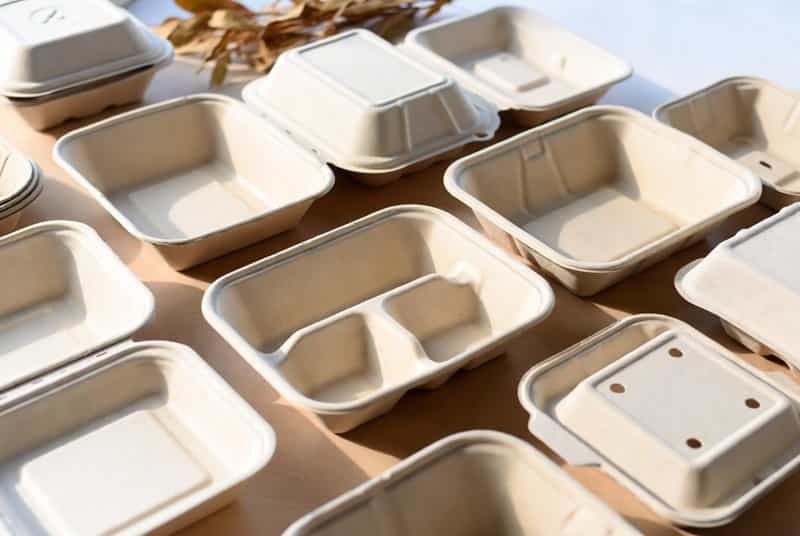
Fresh food flexible packaging
-
Short-lifetime deli packaging
-
Beverage bottles
-
Personal care packaging FRUIT PROCESSING magazine
These are high-volume, short-life packaging types where waste and problem plastics are abundant, making them strategic targets for circular solutions.
Key Consortium & Partners
The project’s multidisciplinary consortium brings together top research institutions and industry players across the plastics value-chain. Institutions involved include Aalborg University, DTU, RWTH Aachen University, University College Dublin, Lund University, BOKU, Helmholtz-Zentrum Berlin, Leibniz Institute, Forschungszentrum Jülich, AIMPLAS (Spain) and others. FRUIT PROCESSING magazine+1
AIMPLAS serves as a key bridge between polymer research and real-world packaging manufacturing and end-of-life testing. The organisation is developing formulations and pilot-scale production lines, and also conducting biodegradation modelling, multi-cycle recycling trials and environmental assessments in soil, freshwater and marine settings. Recycling Today
What This Means for Industry and Regulation
UPCYCLE aligns with broader European strategies, including the Single‑Use Plastics Directive and the Circular Economy Action Plan, by offering improved pathways for packaging materials made from “non-recyclable plastics” and aiming for highly recyclable, non-persistent alternatives. FRUIT PROCESSING magazine
For manufacturers, packagers and recyclers this offers both a technological and business opportunity: transformed waste streams, new materials with market potential, and regulatory alignment.
Challenges Ahead
While ambitious, UPCYCLE faces key hurdles: ensuring that new materials meet safety and regulatory requirements for food contact, achieving cost competitiveness with existing materials, and scaling demonstration technologies to full commercial scale by 2029. Nonetheless, the integrated technical strategy and strong consortium provide a credible roadmap.
Conclusion
The UPCYCLE project offers a powerful shift in how the plastics industry approaches waste from the “non-recyclable plastics” category. By targeting these difficult streams, applying advanced technologies and delivering real packaging solutions, UPCYCLE may help reshape the future of circular packaging and contribute significantly to sustainability targets in Europe.