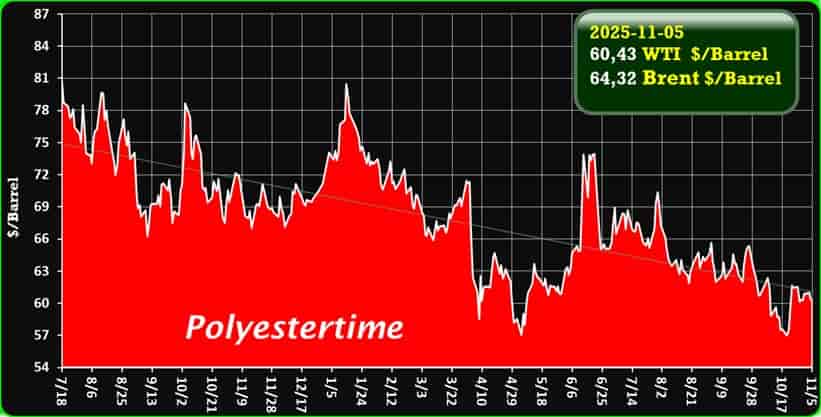
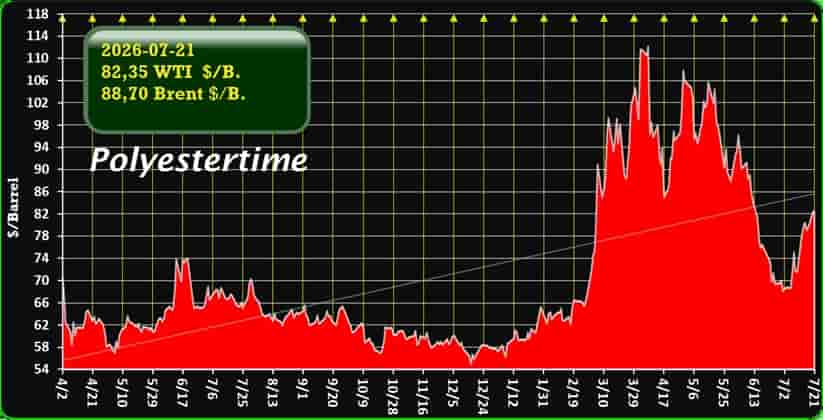
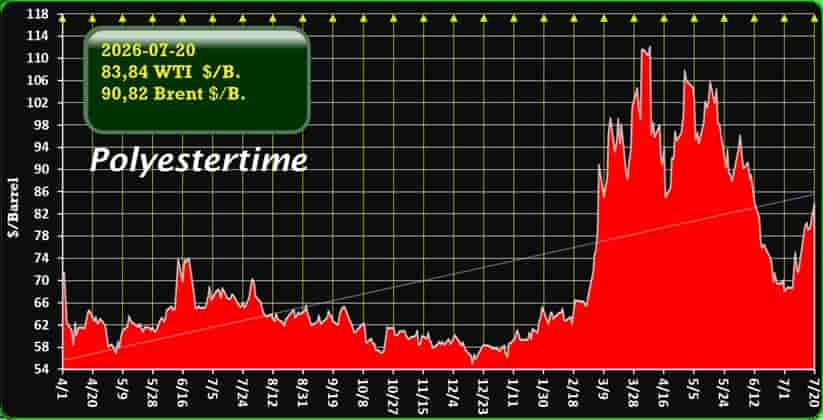
Oil price – Global oil market stabilizes as Brent holds near $64.32 and WTI at $60.43, supported by steady demand outlook, OPEC+ supply discipline, and hopes for economic resilience amid stronger US dollar pressures 05-11-2025
Understanding today’s oil price move
As of 5 November 2025, the benchmark crude oil prices are:
| Benchmark | Price (per barrel) |
|---|---|
| Brent Crude | US$ 64.32 |
| WTI (US) | US$ 60.43 |
These figures reflect recent declines in the global oil market, with both benchmarks under pressure from a combination of macroeconomic and supply-side factors.
What’s driving the downward pressure on the oil price?
1. Stronger US dollar
The US dollar has appreciated, making dollar-denominated commodities such as crude oil more expensive for buyers holding other currencies. This tends to reduce demand and weighs on the crude price. ABP Live+1
2. Rising inventories and weaker demand outlook
Reports indicate that US crude stockpiles have increased, signalling supply is outpacing demand at the moment. Combined with concerns about global economic growth (especially in major oil-consuming regions), this creates a headwind for the crude price. Reuters+1
3. OPEC+ production planning
The producer group OPEC+ has agreed to a modest output increase in December and signalled a pause in further hikes in early 2026. While the pause may help, the near-term boost in supply depresses sentiment for the oil price. Reuters+1
4. Risk-off sentiment in global markets
Global equities and broader financial markets are under pressure. When investors become more risk-averse, commodities like oil often lose momentum, as seen recently. ABP Live+1
Implications for market participants & consumers
-
For producers & exporters: Lower prices compress profit margins and may delay new investment in exploration or production.
-
For refiners and consumers: While lower crude prices can translate into lower fuel prices, the transmission isn’t always immediate (due to taxes, refining costs or currency effects).
-
For investors: The path of the oil price remains sensitive to macroeconomic developments, USD strength, inventory data and OPEC+ actions.
-
For the broader economy: A sustained drop in the oil price can ease inflationary pressures, benefiting consumers; conversely, sharp drops may reflect weak demand and broader economic slowdown.
What to watch going forward
-
US dollar movements: Further gains in the dollar may continue to weigh on the oil price.
-
Weekly inventory data: Surprises in stockpile numbers tend to spark price moves.
-
OPEC+ announcements: Any change in production plans or surprise supply disruptions could swing sentiment.
-
Global demand indicators: Data from major consumers (e.g., China, India) or signs of economic slowdown will impact outlook for oil.
-
Geopolitical risks: Tensions in key oil-producing regions or disruptions in shipping/transport can quickly affect supply and thus influence the oil price.