Global oil price slips amid oversupply fears but headwinds offer positive spark for demand resilience today 19-11-2025
Oil price – Introduction
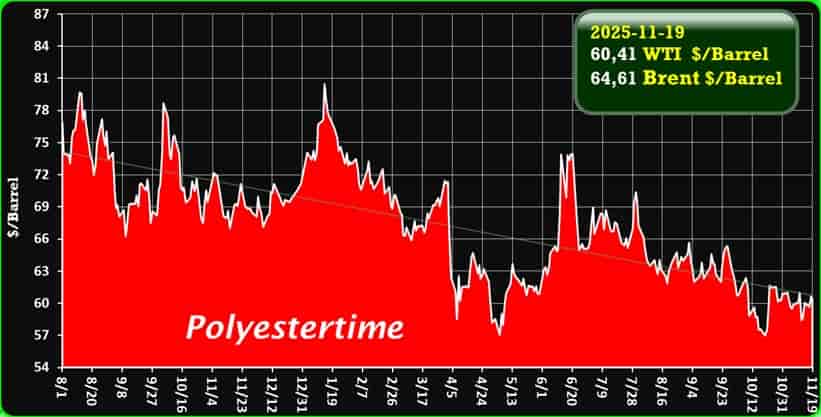
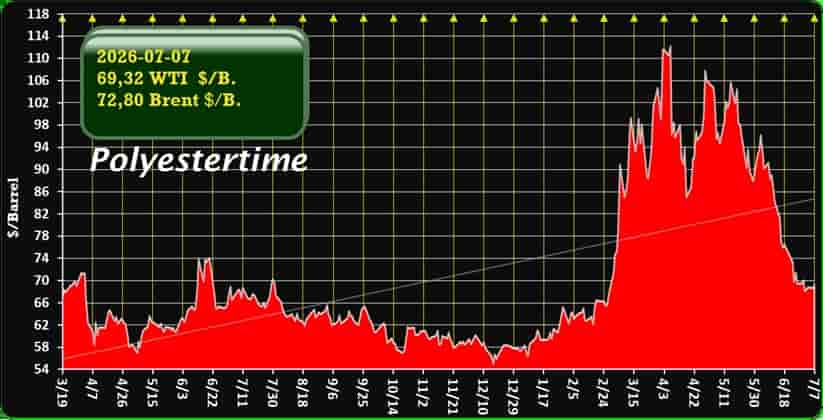
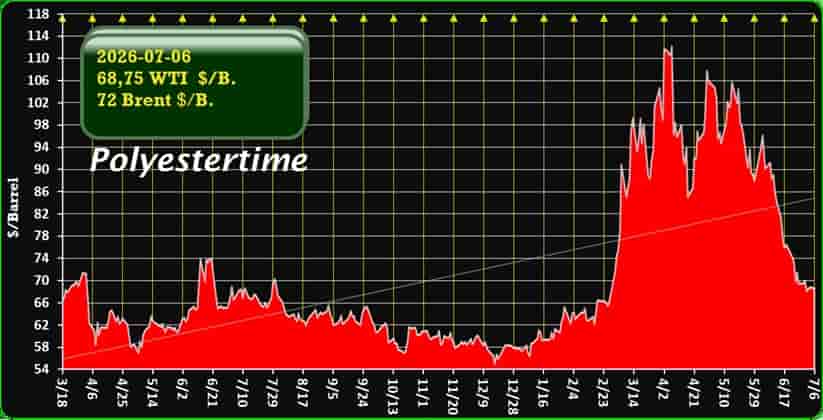
On Wednesday 19 November 2025, the global oil price landscape remains firmly in focus. The benchmark prices are reported at approximately $64.63 per barrel for Brent crude and $60.42 per barrel for West Texas Intermediate (WTI). These levels reflect a tug-of-war between oversupply worries and supply-risk upside. In this article we’ll unpack the key drivers shaping the oil price, what it means for markets and consumers, and how it might evolve in the near term.
Current Price Table
| Benchmark | Price (USD per barrel) | Comments |
|---|---|---|
| Brent crude | ≈ $64.63 | International benchmark |
| WTI crude | ≈ $60.42 | U.S. benchmark |
Note: The above figures approximate current market levels as of today; actual trading prices may vary.
Why the oil price is behaving this way
1. Rising inventories
Recent data show that U.S. crude oil stocks rose by about 4.45 million barrels in the week to 14 November, accompanied by builds in gasoline and distillate inventories. Apa.az+1 This signals that supply is outpacing demand in key markets, creating downward pressure on the oil price.
2. Supply-disruption risks
Despite oversupply concerns, supply-side risks remain. Upcoming sanctions on major Russian oil producers, and logistics disruptions—including tanker and export-terminal issues—have added a counter-balancing tension to the market. Reuters+1 These risks stop the oil price from collapsing further and provide potential upside catalysts.
3. Demand growth remains cautious
Global demand growth appears muted, particularly in major consumer regions. The oversupply narrative is reinforced by soft refinery throughput and strategic stockpiling in some markets. OilPrice.com+1 Essentially, the oil price is caught between structural oversupply and episodic supply risks.
Market implications
For producers and refiners, the modest levels of the crude price suggest tighter margins on crude sales, but strong refining margins mean value remains for downstream operations. Reuters
For consumers and economies, a lower oil price translates into somewhat lower fuel costs, which may ease inflation pressures. For energy-investors, the muted upward momentum in the oil price suggests caution on bullish bets without fresh supply shocks or demand surprises.
Outlook: What might happen next?
-
If inventories continue to build, the oil price may drift lower, potentially testing the low-$60s for Brent and below for WTI.
-
If a supply shock hits (e.g., larger than expected sanctions or logistic disruption), the crude price could rally sharply.
-
If global demand picks up, for instance due to economic stimulus or industrial restarts, then the crude price could gain upside momentum.
Analysts at Goldman Sachs foresee average levels of ~$56 for Brent and ~$52 for WTI in 2026 if the supply wave intensifies. Reuters
Conclusion
In summary, today’s oil market is in a holding pattern—neither strongly bullish nor deeply bearish. The oil price reflects this: while supply issues offer some upside risk, inventory builds and weak demand restrain large gains. Staying tuned to developments in U.S. inventory data, Russian sanctions, and global demand trends will be key. For now, ~$64.63 and ~$60.42 are the levels to watch.
Oil price dips as global supply concerns ease – Brent at US$63.85, WTI at US$59.53