Oil Price Shock Sends Brent Toward $120 and WTI Above $110: Geopolitics, Supply Risks and Market Fear Drive Global Energy Turmoil
Oil Price Surge: Brent Approaches $120 as Energy Markets React to Geopolitical Shock
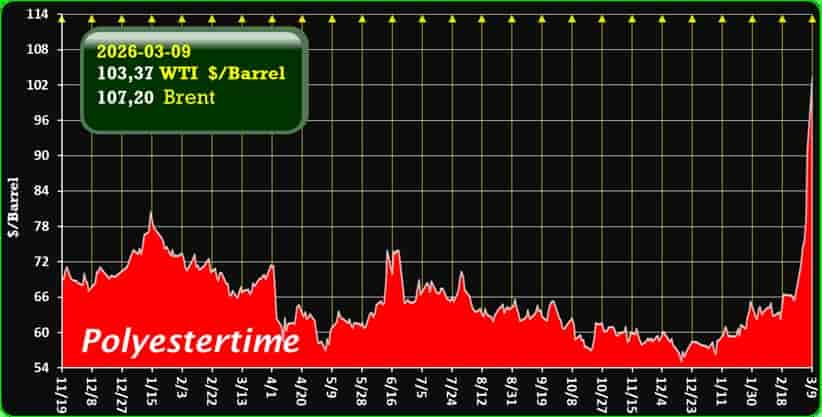
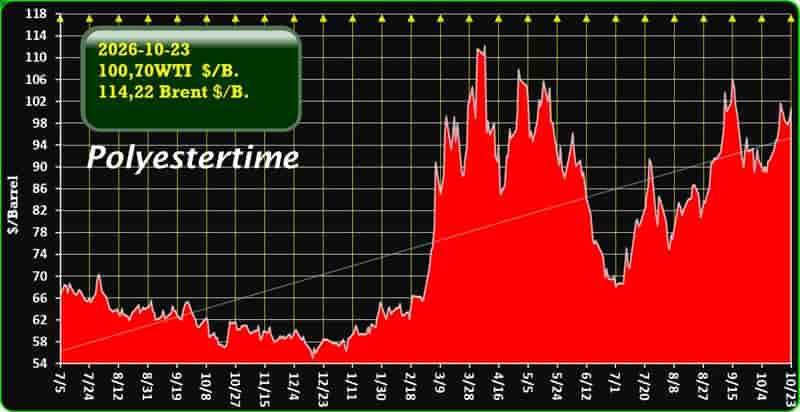
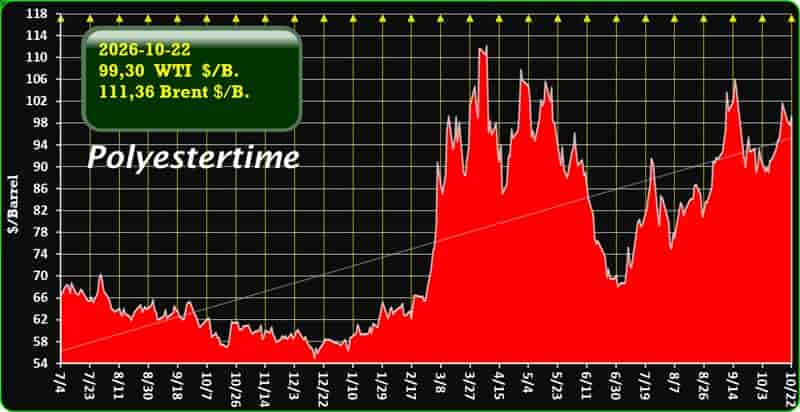
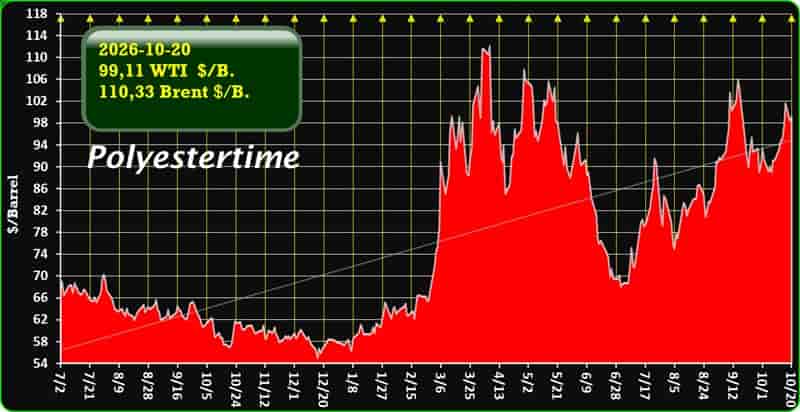
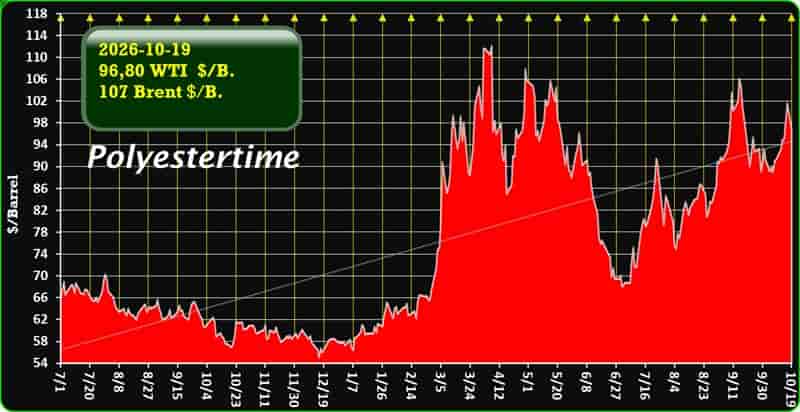
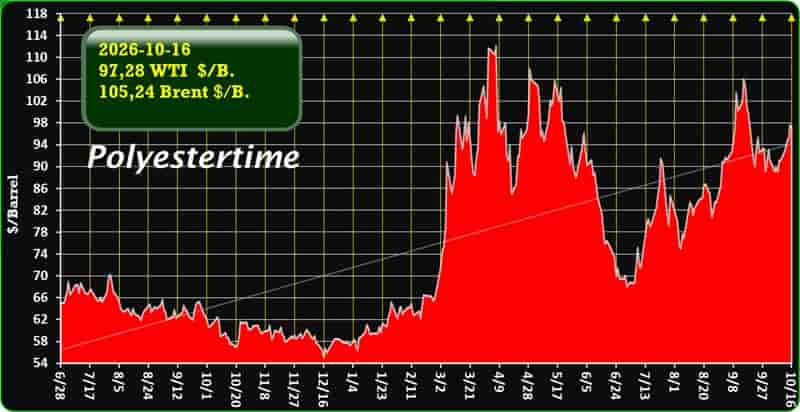
The oil price has surged sharply at the start of the week, with Brent crude trading between $110 and $120 per barrel and WTI hovering around $105–$115. This dramatic rally reflects one of the most volatile periods for the oil market since the energy shocks of 2022.
Recent geopolitical developments in the Middle East have triggered fears of supply disruptions, pushing traders and investors to rapidly price in risk. Brent futures climbed above $118 during trading sessions, while WTI crude briefly touched similar highs as markets reacted to escalating tensions and uncertainty over shipping routes.
The surge highlights how quickly the oil price can respond to geopolitical risk in a tightly balanced energy market.
Current Oil Price Benchmarks
| Benchmark | Current Range (March 2026) | Market Role |
|---|---|---|
| Brent Crude | $110 – $120 per barrel | Global benchmark used for most international oil contracts |
| WTI Crude | $105 – $115 per barrel | U.S. benchmark reflecting North American supply |
| Historical Peak | ~$147 (2008) | Highest recorded oil price level |
The latest spike comes after oil markets had already been trending upward in recent weeks, with Brent rising more than 50% over the past month amid tightening supply and rising geopolitical tensions.
Key Drivers Behind the Oil Price Rally
Several powerful forces are converging to push the oil price higher.
1. Geopolitical Tensions in the Middle East
The most immediate driver of the current crude price surge is escalating conflict involving Iran and regional powers. Reports indicate disruptions in energy infrastructure and threats to tanker traffic through the Strait of Hormuz, one of the world’s most important oil transit routes.
Nearly 20% of global oil shipments pass through this corridor, meaning any disruption can rapidly tighten supply and push the oil price higher.
Investors are pricing in worst-case scenarios, including prolonged shipping disruptions or regional escalation.
2. Supply Risks and OPEC+ Dynamics
Global supply constraints are another key factor supporting the crude price rally.
Several Gulf producers have reportedly reduced output due to operational disruptions, while OPEC+ continues to manage production cautiously to maintain market stability.
At the same time, global oil demand remains resilient. OPEC expects global demand to increase by about 1.4 million barrels per day in 2026, helping balance supply and sustain higher prices.
This combination of strong demand and constrained supply creates fertile ground for further oil price volatility.
3. Investor Sentiment and Market Reaction
Financial markets reacted immediately to the crude price shock.
Global equity markets fell sharply as energy costs surged and investors feared inflationary pressure. Major Asian stock indices dropped between 4% and 6%, reflecting concerns that higher energy prices could slow economic growth.
Meanwhile, energy stocks rallied while airline and transportation companies declined, highlighting how sensitive different sectors are to the crude price.
Traders are also watching central banks closely. Rising energy costs could delay interest rate cuts and reinforce inflation across major economies.
Global Economic Implications
A sustained increase in the oil price has broad economic consequences.
Key impacts
-
Higher transportation and logistics costs
-
Increased inflation pressures worldwide
-
Potential slowdown in global growth
-
Rising fuel prices for consumers
Economists warn that if crude remains above $110 for an extended period, the global economy could face stagflation risks, where high inflation combines with slower growth.
For energy-importing countries, the oil price surge may strain trade balances and government budgets.
Oil Price Outlook: What Comes Next?
Looking ahead, the short-term trajectory of the oil price will largely depend on geopolitical developments and supply stability.
Key scenarios to watch
| Scenario | Potential Oil Price Direction |
|---|---|
| De-escalation in Middle East conflict | Prices stabilize near $100 |
| Continued disruption in Strait of Hormuz | Brent could move toward $130 |
| Strategic reserve releases by G7 | Temporary downward pressure |
| Strong global demand growth | Sustained prices above $110 |
Some analysts warn that if shipping disruptions persist, the oil price could climb significantly higher, potentially approaching $150 per barrel in extreme cases.
However, if diplomatic efforts succeed or strategic reserves are released, prices may retreat toward the $100 range.
Final Thoughts
The current oil price surge underscores how fragile the global energy system remains in times of geopolitical uncertainty. With Brent hovering near $120 and WTI close behind, the oil market is once again at the center of global economic attention.
For investors, policymakers, and consumers alike, the coming weeks will be critical. The path of the oil price will depend on whether supply disruptions escalate—or whether diplomacy and strategic reserves restore stability to the world’s most important energy market.
More…