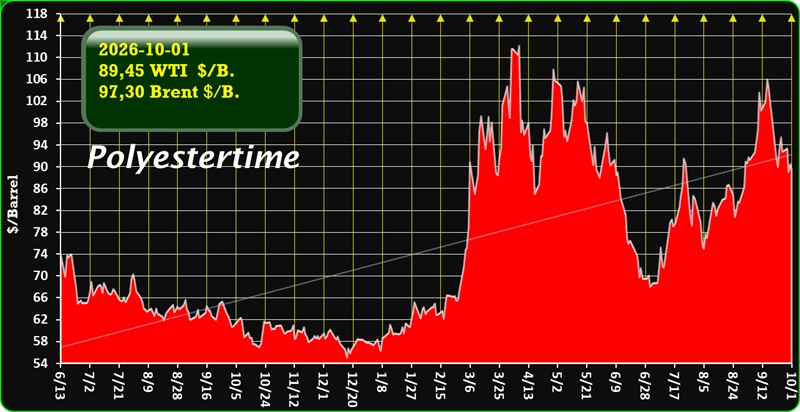
Oil Price Volatility Returns: Brent Near $95 and WTI Around $90 as Middle East Crisis, Hormuz Threats, and Market Anxiety Shake Energy Markets
Oil Price Volatility Returns as Brent Nears $95 and WTI Around $90 Amid Middle East Crisis and Market Uncertainty
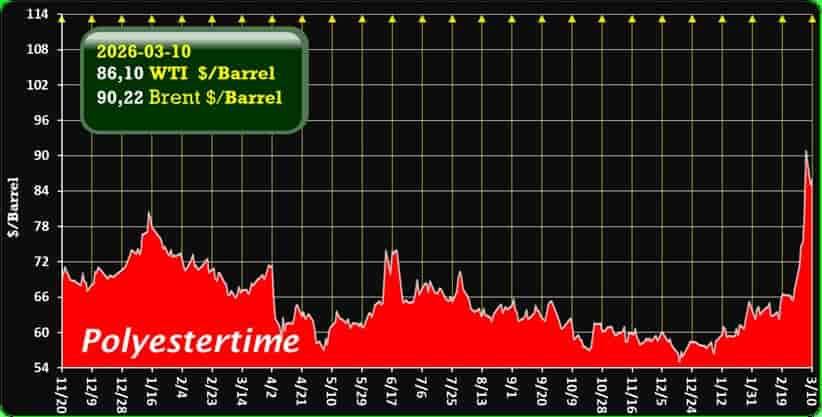
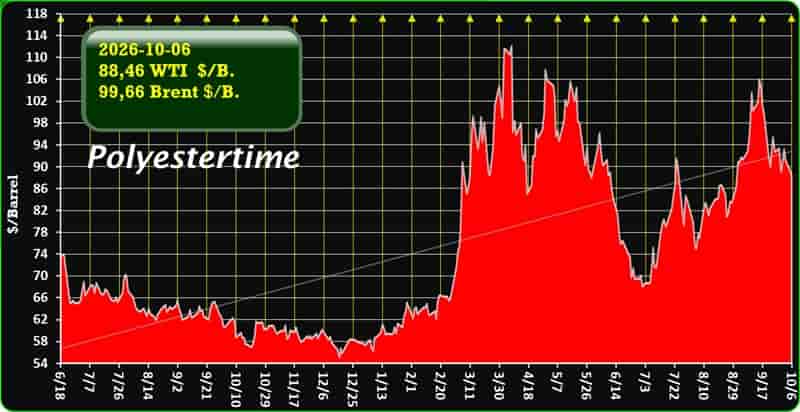
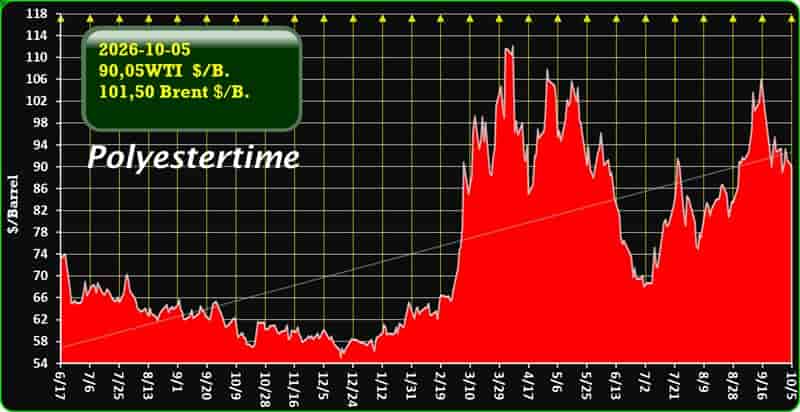
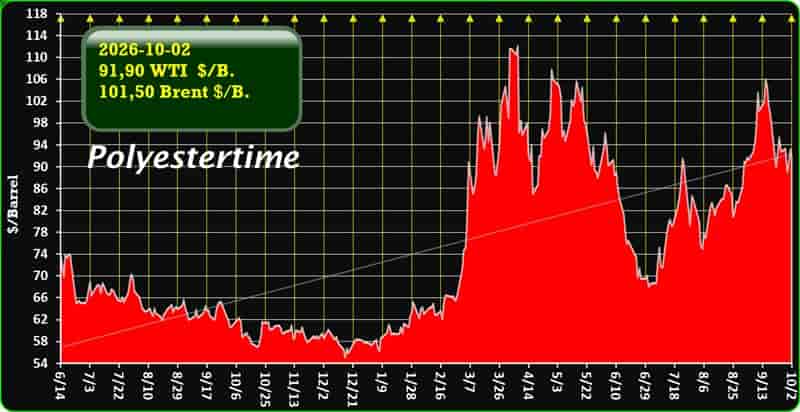
The global oil price remains highly volatile on March 10, 2026, with crude benchmarks reacting sharply to geopolitical tensions and shifting market expectations. Brent crude is trading between roughly $85 and $95 per barrel, while West Texas Intermediate (WTI) is fluctuating in the $80 to $90 range.
These levels reflect a market balancing fears of supply disruption with hopes that tensions in the Middle East may stabilize. The oil price has been moving rapidly in recent days, as investors react to political statements, military developments, and evolving global economic data.
Energy traders and policymakers alike are closely monitoring developments around Iran and the Strait of Hormuz, a critical shipping route for global crude supply.
Current Oil Price Snapshot (March 10, 2026)
| Benchmark | Price Range | Market Trend |
|---|---|---|
| Brent Crude | $85 – $95 per barrel | Volatile after recent spike |
| WTI Crude | $80 – $90 per barrel | Tracking Brent slightly lower |
| Recent Peak | Near $120 per barrel | Triggered by geopolitical tensions |
Earlier this week the oil price briefly surged close to $120 per barrel, driven by fears that conflict involving Iran could disrupt shipments through the Strait of Hormuz. Markets quickly reacted to the possibility of supply disruptions from one of the world’s most important energy transit routes.
However, prices later retreated as traders interpreted diplomatic signals suggesting that escalation might be avoided. The result has been rapid swings in the oil price, reflecting the market’s sensitivity to geopolitical developments.
Geopolitical Tensions and the Strait of Hormuz
One of the strongest drivers of the oil price today is the escalating tension surrounding Iran and the Strait of Hormuz. This narrow maritime corridor carries roughly 20 percent of global oil shipments, making it one of the most strategically important energy chokepoints in the world.
Iran has warned that it could block the strait if military confrontation intensifies. Such a move would significantly disrupt global oil flows and could send the oil price sharply higher.
Political rhetoric has added further uncertainty. Recent statements from U.S. leadership included warnings of severe retaliation if Iran attempts to block shipping routes, while also suggesting the conflict could eventually ease. These mixed signals have created uncertainty across financial and energy markets.
Shipping companies and insurers have already begun adjusting risk assessments for vessels traveling through the Gulf region, highlighting how quickly geopolitical tensions can affect energy logistics.
Global Supply and Demand Dynamics
While geopolitics dominates headlines, the oil price is also shaped by broader supply and demand fundamentals.
Several supply-side factors are influencing the market:
• OPEC+ production management aimed at maintaining price stability
• Potential disruptions to Middle Eastern energy infrastructure
• Possible releases from strategic petroleum reserves by major economies
• Slower tanker movements through high-risk maritime zones
Demand conditions also remain important for the oil price outlook.
Economic growth in Asia continues to support oil consumption, while seasonal fuel demand patterns are beginning to emerge in several regions. At the same time, concerns about global economic momentum are limiting the upside potential for crude prices.
The balance between these supply and demand factors is keeping the oil price within a volatile but relatively defined trading range.
Investor Sentiment in Energy Markets
Investor sentiment toward energy markets has become increasingly cautious. The rapid spike and correction in the oil price demonstrates how quickly geopolitical headlines can influence trading behavior.
Many institutional investors are adopting defensive positions, recognizing that any escalation in the Middle East could immediately tighten supply and push the oil price higher.
At the same time, some traders believe the recent surge may have been temporary. If diplomatic efforts succeed and shipping routes remain open, crude prices could stabilize within the current range.
Energy analysts note that the oil price today reflects not only physical supply risks but also speculative positioning and broader market psychology.
Short-Term Oil Price Outlook
| Scenario | Potential Brent Range | Key Drivers |
|---|---|---|
| Conflict escalation | $100 – $120+ | Hormuz disruption, supply shocks |
| Stabilization | $85 – $95 | Diplomatic progress, steady production |
| Economic slowdown | $75 – $85 | Lower demand growth |
In the short term, the oil price is expected to remain highly sensitive to geopolitical developments. Any disruption to shipping in the Strait of Hormuz could quickly send prices back above $100 per barrel.
Conversely, signs of de-escalation or coordinated releases from strategic reserves could push the oil price toward the lower end of the current range.
What This Means for the Global Economy
Sustained volatility in the oil price carries significant implications for the global economy. Higher energy costs can increase inflationary pressures, particularly in energy-importing regions such as Europe and parts of Asia.
At the same time, elevated crude prices may accelerate investment in renewable energy, energy efficiency technologies, and alternative fuel sources.
For businesses and policymakers, the current oil price environment underscores the importance of energy security and diversified supply chains.
Conclusion
The oil price trend as of March 10, 2026 reflects a complex interaction between geopolitics, market sentiment, and traditional supply-demand fundamentals. With Brent trading between $85 and $95 per barrel and WTI around $80 to $90, the market remains highly sensitive to developments in the Middle East.
In the coming weeks, the direction of the oil price will depend largely on geopolitical stability, OPEC+ production decisions, and global economic signals. For now, volatility is likely to remain a defining feature of the global energy market.
More…