Iran Ships 11.7 Million Barrels Through Hormuz Despite War Shocking Global Energy Markets
Iran oil exports to China continue despite conflict in Strait of Hormuz
The geopolitical crisis in the Middle East has entered a new phase as Iran oil exports to China continue despite military tensions and severe disruptions in maritime traffic through the Strait of Hormuz.
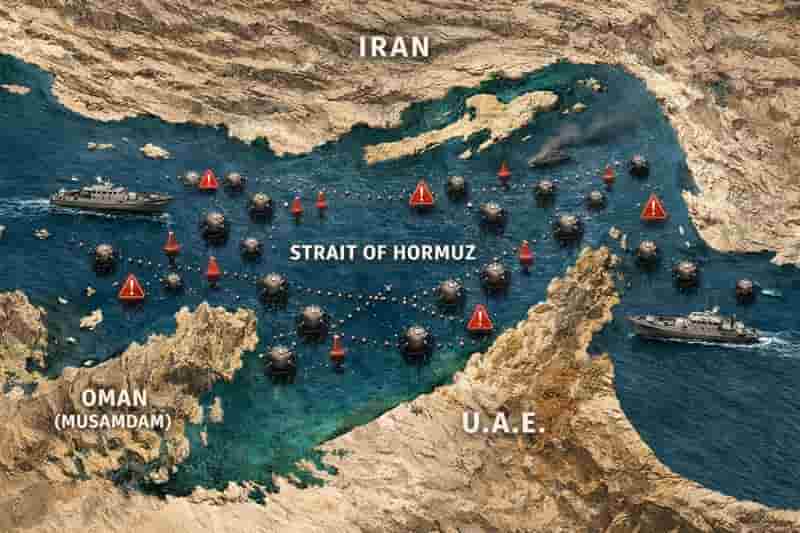
According to recent reports published by CNBC, Tehran has exported approximately 11.7 million barrels of crude oil to China since the beginning of the conflict on February 28. The shipments have moved through one of the world’s most strategically important energy corridors, even as the region experiences missile strikes, naval threats and severe shipping disruptions.
The Strait of Hormuz normally carries around 20 percent of global oil supplies, making any instability in the waterway a major concern for international energy markets. Despite the escalating conflict involving Iran, Israel and the United States, Iran oil exports to China have continued, highlighting Beijing’s central role as Tehran’s key energy partner.
While the volume of shipments has declined compared with previous months, the continued flow of oil demonstrates how energy trade networks remain active even during regional military crises.
War disrupts shipping but Iranian crude still reaches China
Maritime intelligence firms such as TankerTrackers.com and Kpler report that tanker traffic through the Strait of Hormuz has sharply declined since the conflict began.
Multiple vessels have been attacked or damaged during the past two weeks. At least ten ships have reportedly been struck, causing casualties among sailors and prompting many shipping companies to avoid the area entirely.
Some tankers have even disabled their tracking systems to reduce the risk of being targeted while navigating through the volatile region.
Despite these dangers, Iran oil exports to China have continued. Current estimates indicate shipments of around 1.22 million barrels per day, a sharp drop from February levels when Iran exported roughly 2.16 million barrels per day, the highest level recorded since 2018.
Even at reduced levels, the continued movement of Iranian crude through the strait underscores the strategic importance of Chinese demand for Tehran’s oil sector.
China remains the main buyer of Iranian crude
China has emerged as the dominant destination for Iranian oil in recent years, especially as Western sanctions have restricted Tehran’s access to other markets.
The continuation of Iran oil exports to China during the conflict reinforces the economic partnership between the two countries.
Beijing has strong incentives to maintain this trade relationship. China’s rapidly growing economy requires large and stable supplies of crude oil, and Iranian oil often enters the market at discounted prices compared with international benchmarks.
At the same time, geopolitical cooperation between the two countries has deepened. Reports indicate that China has recently deployed a surveillance vessel to the region and continues supplying components used in Iran’s missile technology.
This strategic alignment helps explain why Iran oil exports to China have persisted even while regional tensions threaten the security of maritime routes.
Iran attempts alternative export routes outside Hormuz
To reduce reliance on the Strait of Hormuz, Tehran has reactivated alternative infrastructure designed to bypass the narrow waterway.
One of the most important facilities is the Jask Oil Terminal, located on the Gulf of Oman. This export terminal allows Iranian crude to reach international markets without passing directly through the strait.
However, the facility has significant logistical limitations. Loading a supertanker at Jask can take up to ten days, compared with just one or two days at Iran’s primary export terminal on Kharg Island.
As a result, the majority of Iran oil exports to China still rely on the Strait of Hormuz despite the security risks associated with the route.
The use of alternative terminals highlights Tehran’s efforts to maintain oil exports even during severe geopolitical disruptions.
Oil prices surge amid fears of global energy shock
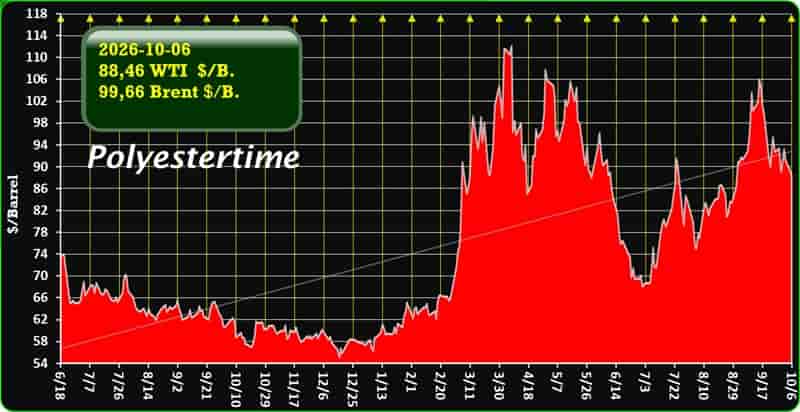
The crisis in the Strait of Hormuz has triggered major volatility in global energy markets.
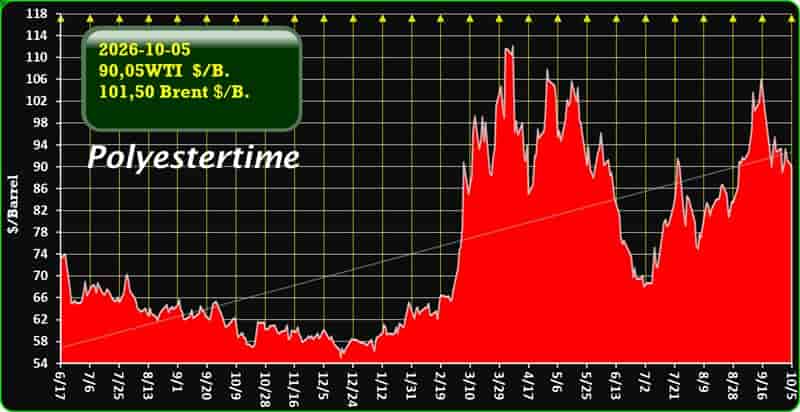
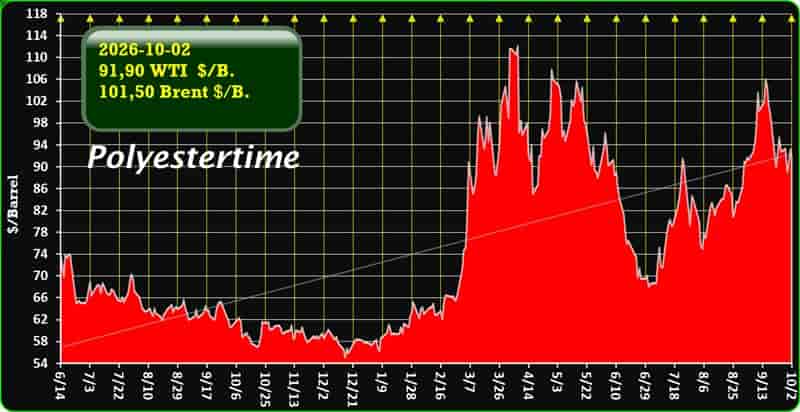
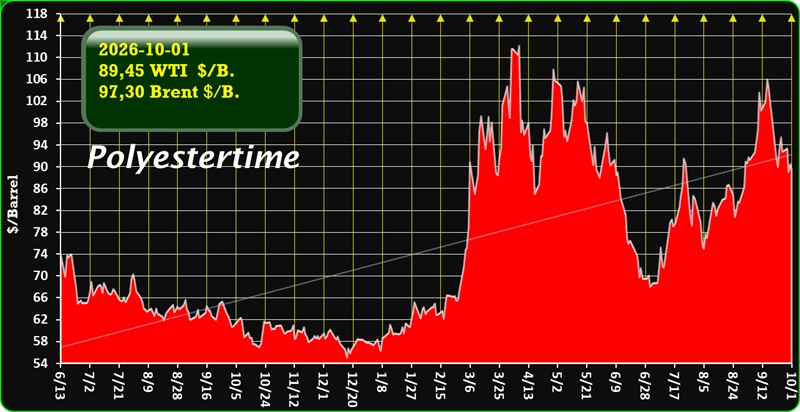
Oil prices recently surged to nearly 120 dollars per barrel, reflecting fears that military escalation could block one of the most critical shipping routes for global energy supplies.
Although prices have slightly declined in recent days, markets remain highly sensitive to developments in the region.
The persistence of Iran oil exports to China has helped prevent an immediate collapse in supply flows, but analysts warn that further escalation could trigger a broader energy shock affecting both oil and natural gas markets.
Governments are now discussing the possibility of releasing strategic petroleum reserves to stabilize global supply and limit price spikes.
Europe considers easing Russian LNG restrictions
While Middle Eastern tensions dominate headlines, the conflict is also reshaping energy policy decisions in Europe.
European officials are reportedly evaluating new guidelines that could temporarily relax certain restrictions on Russian natural gas. The goal is to ensure that sufficient energy supplies are available for the winter season.
Under the proposed approach, the European Union may avoid verifying whether liquefied natural gas sold by third-party suppliers originates from Russia.
This potential shift highlights how the ongoing crisis and the continuation of Iran oil exports to China are reshaping global energy strategies.
Governments are increasingly focused on securing reliable supplies rather than enforcing strict geopolitical trade limitations.
Iran threatens economic targets linked to US and Israel
Meanwhile, tensions across the region continue to escalate.
Iranian officials have issued warnings that banks and economic centers associated with the United States and Israel could become potential targets.
Statements attributed to military organizations linked to the Islamic Revolutionary Guard Corps suggested that attacks on Iranian financial institutions could justify retaliation against Western economic interests across the Middle East.
Iranian media outlets have also published lists of potential economic and technological targets, including infrastructure connected to major multinational companies operating in the region.
These threats further heighten the geopolitical risk environment surrounding global energy markets and the continued flow of Iran oil exports to China.
Conflict intensifies across the Middle East
The broader conflict continues to generate instability across multiple countries in the region.
Missile and drone attacks have been reported in several locations, including Jerusalem, Dubai and Erbil. In Lebanon, military operations targeting Hezbollah positions have caused significant humanitarian consequences.
Reports indicate that more than 570 people have been killed and hundreds of thousands displaced as the fighting expands.
As the conflict enters its second week, the continuation of Iran oil exports to China demonstrates how energy trade remains deeply intertwined with geopolitical strategy.
The coming weeks will likely determine whether the Strait of Hormuz remains partially open for energy shipments or becomes the focal point of a larger global energy crisis.
7 Dangerous Reasons Trump Chose the Iran Attack Now and Risked Everyt
More…